Kuwait announces repelling attacks with missiles and drones
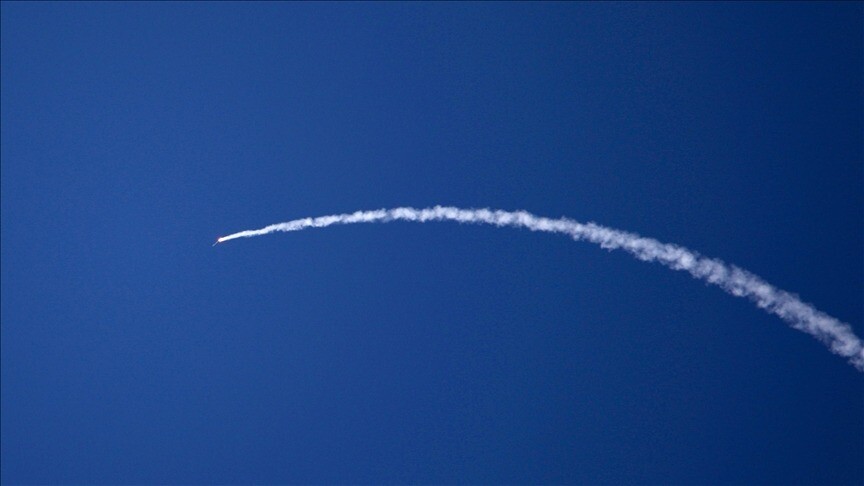
Kuwaiti army described the attack as "Iranian sinful aggression"
Istanbul / Anadolu
The General Command of the Kuwaiti Army said on Friday that air defense units successfully intercepted attacks launched by drones and missiles, describing them as 'Iranian sinful aggression'.
These developments come amid escalating tension in the Gulf region between the United States and Iran over mutual naval and aerial attacks.
A statement from the General Staff clarified that air defense systems repelled those attacks, noting that the sound of explosions heard in some areas was due to the interception of 'hostile targets'.
The General Staff called on citizens and residents to adhere to safety and security instructions issued by the competent authorities.
Earlier on Friday, the Iranian army announced carrying out drone attacks, which it said targeted American military personnel in Kuwait, as part of 'the 25th wave of Operation Lightning'.
The Iranian army said in a statement that it targeted weapons warehouses and soldier accommodation areas in American military bases in Kuwait with drones.
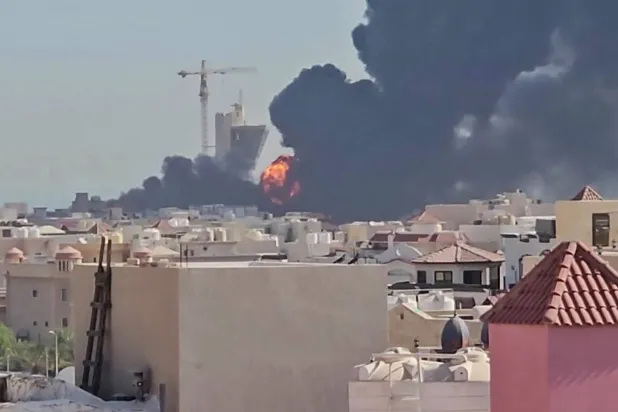
The Kuwaiti army reported in previous statements that its defenses dealt with four missile and aerial attacks on Thursday, including two attacks on the Abdali border crossing with Iraq, causing material damage but no casualties.
In recent days, Kuwait, along with other Arab countries, has been subjected to Iranian attacks, while Tehran said it targeted 'American military bases and sites' in Kuwait, Qatar, Bahrain, and Oman, in response to American strikes against it.
The escalation comes despite Washington and Tehran signing a memorandum of understanding last June that included a cessation of hostilities and the start of negotiations to reach a broader agreement.
On July 8, US President Donald Trump announced the end of the ceasefire after attacks on tankers in the Strait of Hormuz, as American strikes on Iran resumed amid escalating Iranian responses.
Washington demands that Tehran stop attacking ships and ensure freedom of navigation through the Strait of Hormuz, while Iran insists on subjecting the passage of ships to a mechanism it regulates through the waterway overlooking its coasts, exacerbating fears of disruption to oil and gas exports from the region.
Washington and Tehran had signed a memorandum of understanding last June to cease hostilities and start negotiations, but it quickly collapsed after attacks on oil tankers in the Strait of Hormuz. The United States demands a halt to attacks on ships and guarantees of freedom of navigation, while Iran insists on regulating passage through the strait. This confrontation raises fears of disruption to oil and gas exports from the region, which is a vital artery for the global economy. Moreover, targeting military bases in Kuwait and other Gulf states expands the scope of the regional conflict.
Original source: Anadolu Agency


Comments (0)
Be the first to comment.