Kuwait: Intercepts 4 Iranian Cruise Missiles and 21 Drones on Wednesday
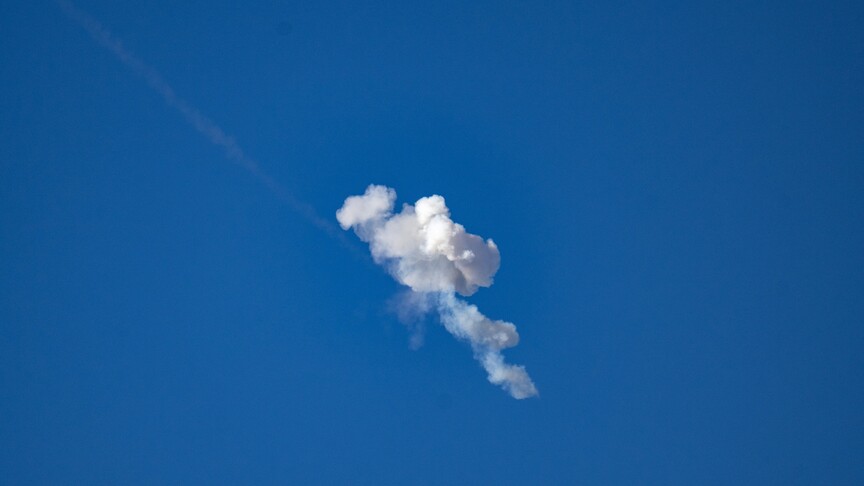
Ministry of Defense says attack caused material damage to vital facilities without injuries
ISTANBUL / Anadolu
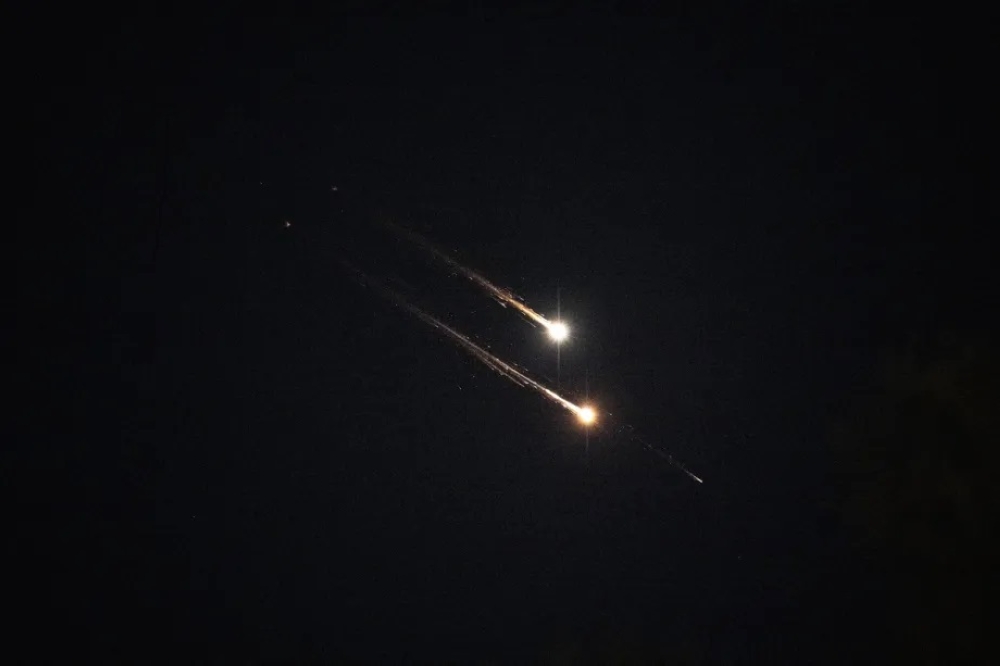
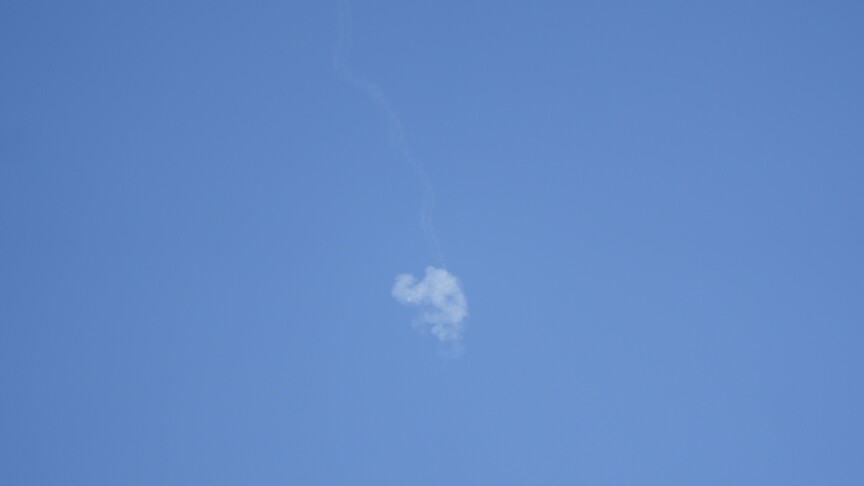
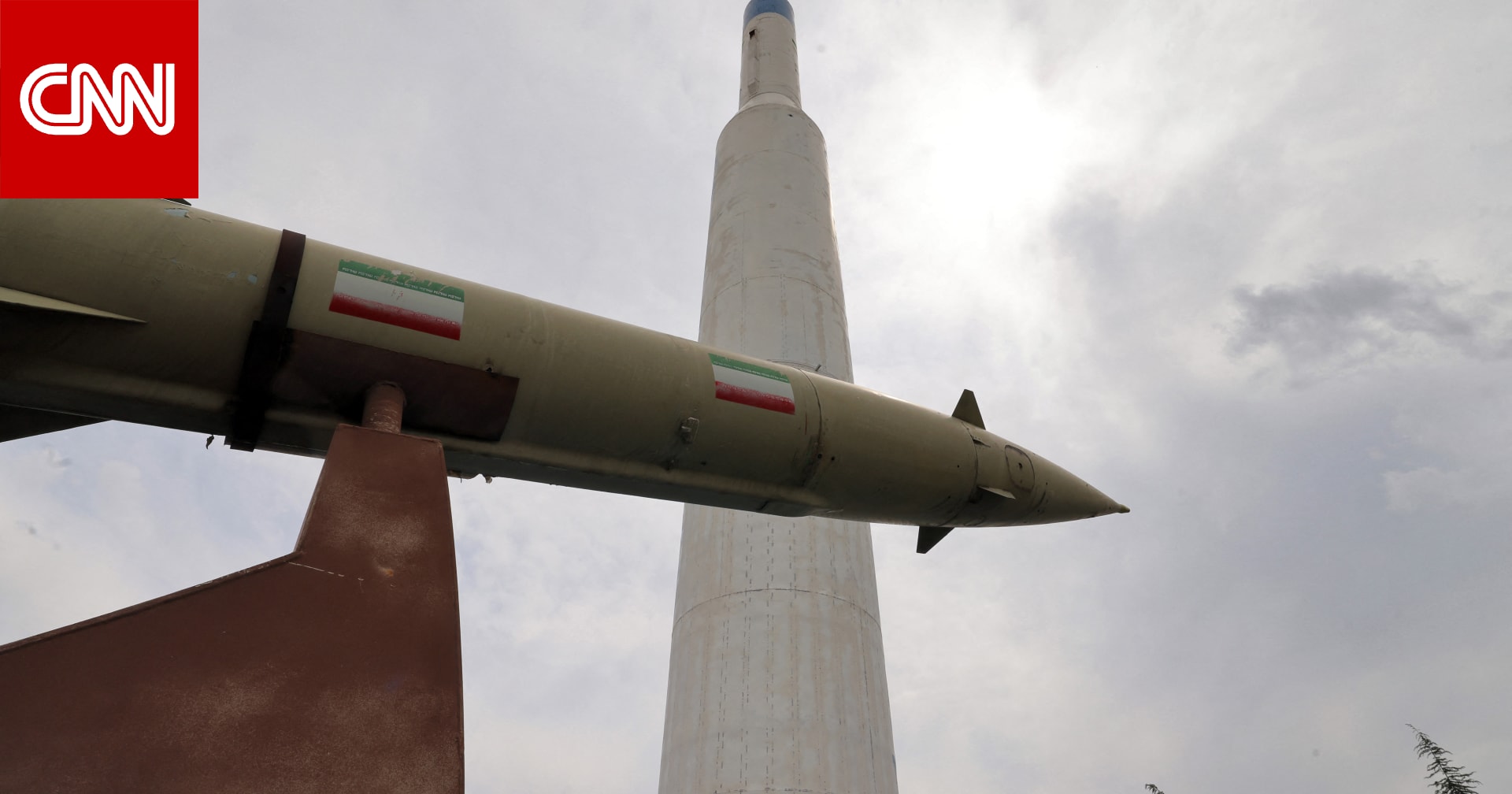
Kuwait's Ministry of Defense announced Wednesday the interception of 4 cruise missiles and 21 drones within the country's airspace as part of the "Iranian aggression," which resulted in material damage to vital installations.
Ministry spokesman Colonel Staff Saud Abdulaziz Al-Attwan said in a statement that the armed forces detected, since dawn Wednesday, 4 cruise missiles and 21 hostile drones inside Kuwaiti airspace.
He added: "We intercepted the missiles and drones and dealt with them."
Al-Attwan explained that the "Iranian aggression" targeted a number of vital installations in the country, causing material damage without any human casualties.
He added that the Kuwaiti forces, since the start of the Iranian attacks on February 28, 2026, have dealt with 970 drones, 387 ballistic missiles, and 25 cruise missiles.
He affirmed the continued performance of the armed forces' duties and tasks within the framework of readiness and preparedness to enhance the country's security and ensure the safety of citizens and residents.
These attacks come against the backdrop of the resumption of military confrontation between the United States and Iran in recent days.
On Wednesday evening, the US Central Command (CENTCOM) announced new strikes on Iran.
Tehran responds by bombing what it says are US military installations in Arab countries, including Kuwait, while some of these countries have announced that the Iranian attacks have resulted in civilian casualties and damage to civilian facilities.
On June 18 last year, Washington and Tehran signed a memorandum of understanding that included a ceasefire, and began negotiations mediated by Pakistan and Qatar to end the offensive launched by the United States and Israel on Iran on February 28 last year.
However, US President Donald Trump announced on July 8 that the ceasefire had ended amid renewed escalation.
Washington supports the passage of commercial ships through the Strait of Hormuz on a route different from that set by Iran, which Tehran rejects, stressing that it targets any ship that does not coordinate with it before crossing the strategic strait for global energy supplies.
Original source: Anadolu Agency


Comments (0)
Be the first to comment.