Egypt: Death of Woman and Two Children from Snake Bites Sparks Urgent Calls for Government Intervention
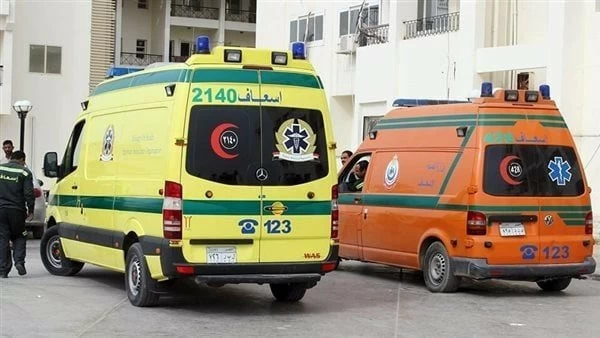
Snake bites are no longer isolated incidents in Egypt's Sharqia Governorate, but have turned into a nightmare for residents of agricultural villages, after the number of victims rose to three within days following the death of an 11-year-old girl in a village in the Minya al-Qamh district, amid warnings of the spread of the phenomenon and popular demands for urgent government intervention to contain the danger. Today (Saturday), the 11-year-old child Malik Essam died after being bitten by a snake in the village of Kafr Hussein al-Tubji in the Minya al-Qamh center of Sharqia Governorate, after her condition deteriorated despite attempts to save her, and…
Egypt: Death of Woman and Two Children from Snake Bites Sparks Urgent Calls for Government Intervention
July 4, 2026 - 20:56 | Last update: July 4, 2026 - 20:56
Follow Okaz channel on WhatsApp
Mohamed Seddik (Cairo)
Snake bites are no longer isolated incidents in Egypt's Sharqia Governorate; they have become a nightmare for residents of agricultural villages, after the number of victims rose to three within days following the death of an 11-year-old girl in a village in the Minya al-Qamh district, amid warnings of the phenomenon's spread and popular demands for urgent government intervention to contain the danger.
Today (Saturday), the 11-year-old girl Malik Essam died after being bitten by a snake in the village of Kafr Hussein al-Tubji, affiliated with the Minya al-Qamh center in Sharqia Governorate, after her health deteriorated despite attempts to save her. Necessary legal actions were taken regarding the incident.
The incident sparked a wave of grief among the area's residents, who confirmed that the spread of snakes has become an increasing danger to the population, especially with rising temperatures and the presence of vast agricultural areas. They called on the relevant authorities to quickly implement campaigns to combat venomous reptiles and provide the necessary antivenom in nearby hospitals and health units.
This incident comes just days after the death of a woman and a child from the village of al-Qaraqra, affiliated with the Minya al-Qamh center, due to snake bites in two separate incidents, which increased the state of fear among citizens, especially in villages and areas surrounding agricultural lands.
Residents demanded spraying agricultural areas, drainage canals, and waterways, as well as removing thick weeds that provide a suitable environment for snakes to hide, along with intensifying awareness campaigns on how to deal with snake bites and prevention methods.
For its part, security agencies and competent authorities have initiated legal procedures, while popular demands continue for swift steps to prevent the recurrence of such incidents, amid growing fears of the continued spread of snakes during the summer season.
The recurrence of these incidents within a few days has led to demands for urgent intervention from executive, health, and environmental authorities, to ensure the safety of citizens, especially children and residents of agricultural villages who face greater danger.
The head of the Egyptian Farmers' Syndicate, Hussein Abu Saddam, demanded that the government quickly disburse urgent compensation to the families of snake bite victims, considering those who died as a result of these incidents as 'martyrs of livelihood,' in appreciation of the daily risks faced by farmers while working in agricultural lands to provide food for citizens.
He stressed that the recent incidents, foremost the death of a woman and a child in Sharqia Governorate from snake bites, revealed the severity of the phenomenon and sparked concern among agricultural workers, amid the ongoing heatwave that contributed to the increased spread of venomous reptiles in the fields.
The farmers' syndicate head explained that rising temperatures drive snakes to leave their natural habitats and seek more humid areas, such as thick weeds and water accumulation spots within agricultural lands, which increases the likelihood of farmers being bitten while working.
He added that the lining and cleaning of canals and drains, along with the decline in numbers of natural enemies of snakes, such as mongooses, foxes, wild cats, falcons, owls, and lynx, have contributed to their movement into agricultural fields.
He pointed out that the Egyptian cobra is one of the most dangerous species threatening farmers, while the horned viper, known as 'al-Tarisha,' poses the greatest danger in desert areas, stressing that obtaining medical antivenom quickly is the decisive factor in saving those bitten.
The Egyptian Farmers' Syndicate head also emphasized the necessity of transferring anyone bitten by a snake to the nearest hospital or health unit immediately, and not relying on folk remedies or practices that may worsen the condition.
Original source: Okaz




Comments (0)
Be the first to comment.