Washington continues strikes for seventh night, and Tehran says it "destroyed the main artificial intelligence center in Bahrain"
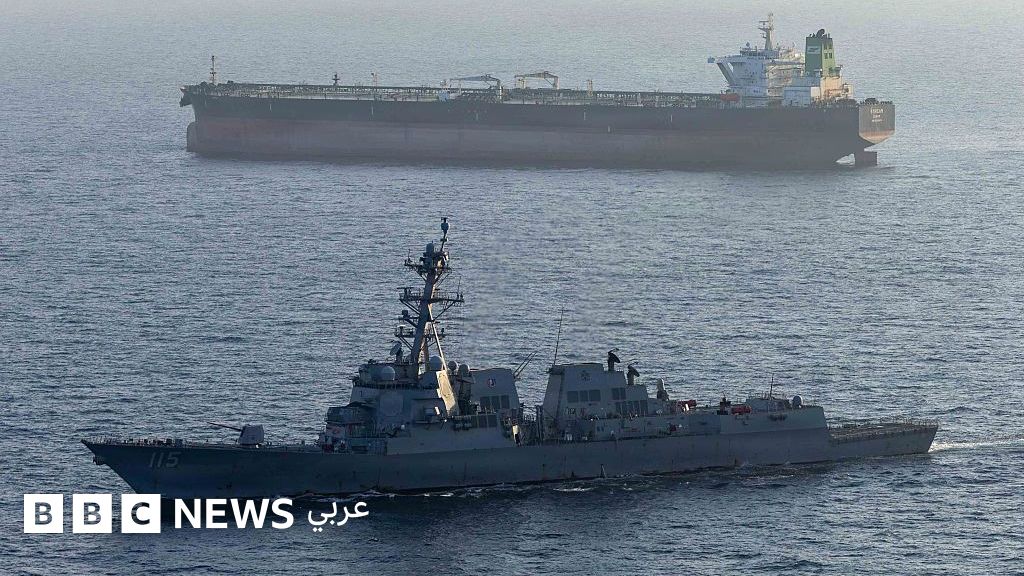
Amid ongoing regional escalation, Washington continued its military strikes and naval blockade on Iran for the seventh night, targeting its infrastructure and military capabilities. In response, Tehran expanded the scope of the conflict by announcing the destruction of an intelligence center in Bahrain and targeting a power plant in Kuwait.
Washington continues strikes for seventh night, and Tehran says it "destroyed the main artificial intelligence center in Bahrain"
Published 17 July 2026, 20:32 GMT
Last updated 12 minutes ago
Reading time: 2 minutes
US forces continued their military strikes on Iran for the seventh consecutive night, along with a tightening of the naval blockade.
In response, Tehran targeted vital facilities in the state of Kuwait, amid increasing security tensions in the strategic waterways of the Middle East.
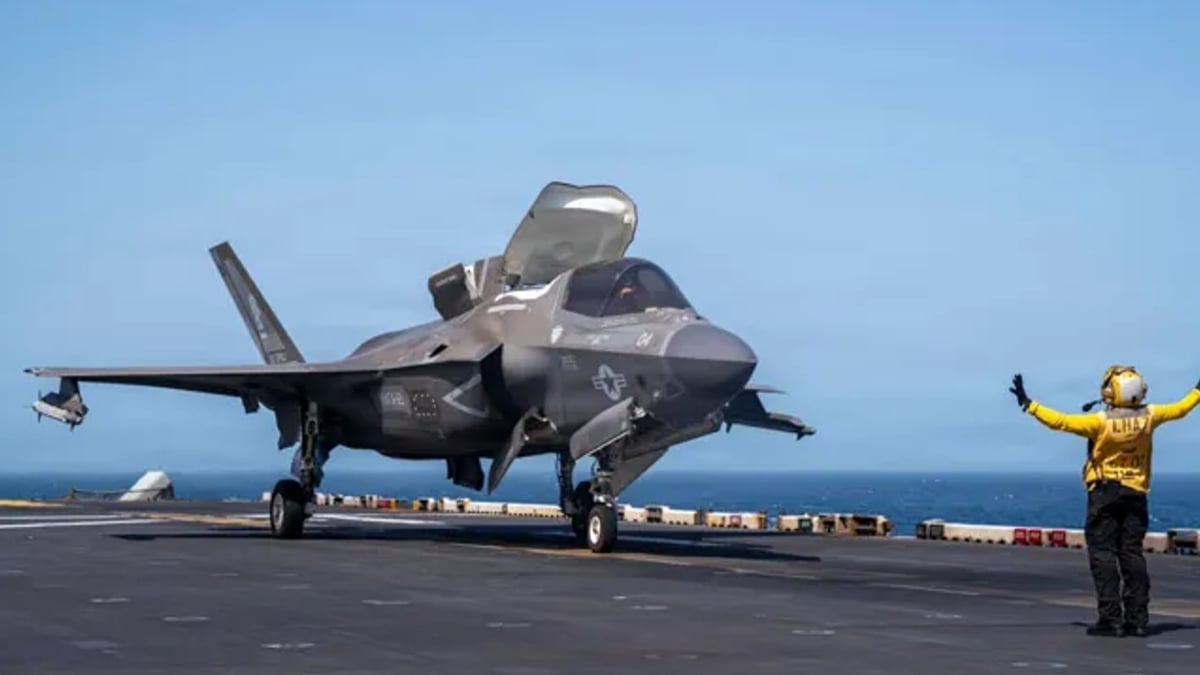
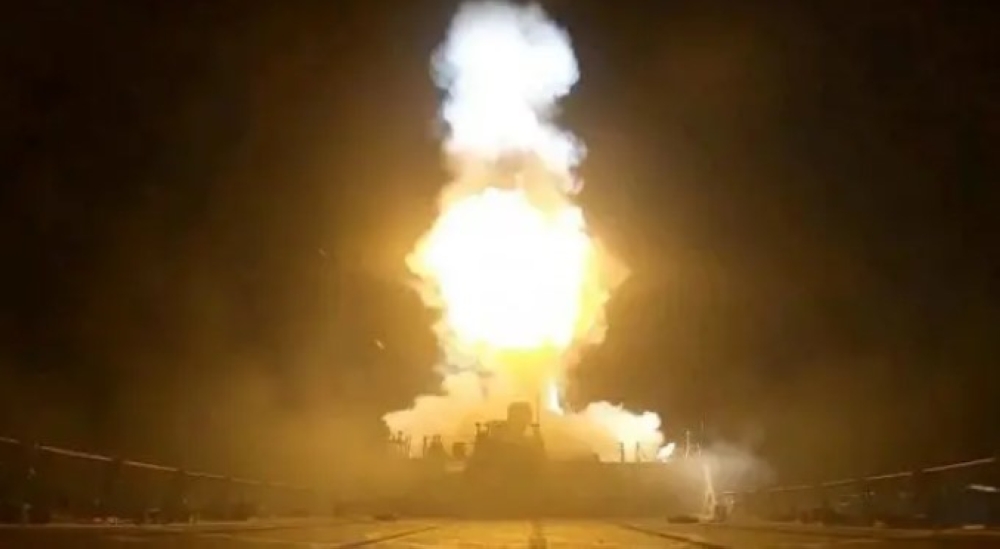
The US Central Command (CENTCOM) announced the execution of a new round of strikes against Iranian targets on Friday night.
These ongoing operations are aimed at "weakening Iran's military capabilities," according to the US military.
Strait of Hormuz: Are alternative routes sufficient for exporting Gulf oil and gas?
For its part, the Iranian Revolutionary Guard Corps announced that it had destroyed "the main artificial intelligence center in Bahrain" with ballistic missiles and drones.
Iranian state television reported hearing three explosions in the city of Sirik, located in the south of the country.
Tehran accused Washington on Friday of targeting at least five bridges inside Iranian territory, indicating a shift in the nature of targets to include infrastructure.
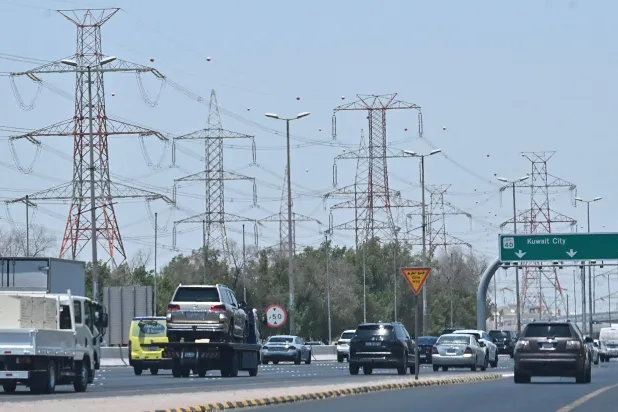
In response to the US escalation, Iran moved to expand its target bank, targeting an electricity and water desalination plant in the state of Kuwait, representing a new escalation based on striking regional infrastructure.
Skip most read and continue reading
Who deserves the title of greatest player of all time: Messi, Maradona, or Pelé?
Andy Burnham: Why is the new British Prime Minister a mystery to everyone?
Messi vs. Lamine Yamal: "A true miracle made by fate"
Why do mosquitoes bite some people more than others?
Skip podcast and continue reading
Worth attention
In-depth explanation of the most prominent events and topics, to help you understand the most important changes around you and their impact on your life
Episodes
End of podcast
On the naval blockade front, US forces remain on high alert to enforce "strict compliance with the blockade on Iranian ports."
During the first three days of the resumption of the blockade, US forces intercepted maritime traffic to ensure compliance, diverting four commercial ships, disrupting one ship, and subjecting another to detailed inspection.
These developments have once again disrupted global energy supplies passing through the Gulf.
Near the Strait of Hormuz, US Marine Corps forces boarded one of the oil tankers.
In parallel, armed men seized another ship off the coast of Yemen, raising serious security concerns about the safety of navigation in the Bab el-Mandeb Strait, which is a second strategic artery for oil shipments in the region.
In the context of escalating regional unrest, a security source told the BBC on Friday that a drone targeted a weapons and ammunition depot, locally known as "Barutkhana," located behind the control of the Tasluja area (near the 100-meter street) in the city of Sulaymaniyah, Iraq.
The source explained that the attack resulted in a large fire inside the site, followed by successive explosions caused by the ignition of stored ammunition.
Security forces and civil defense teams quickly cordoned off the incident site to contain the fire, while investigations are ongoing to determine the perpetrator and the extent of damage and losses resulting from the attack.
Skip short clips and continue
Short clips
End of short clips
What is the Strait of Hormuz and why is it important? 28 January 2026
What is the importance of the Bab el-Mandeb Strait which Iran threatens to close? 2 June 2026
How is Iran governed? 13 January 2026
Original source: BBC Arabic

Comments (0)
Be the first to comment.