Oil exceeds $100 after Houthi attacks on Saudi ships in Red Sea
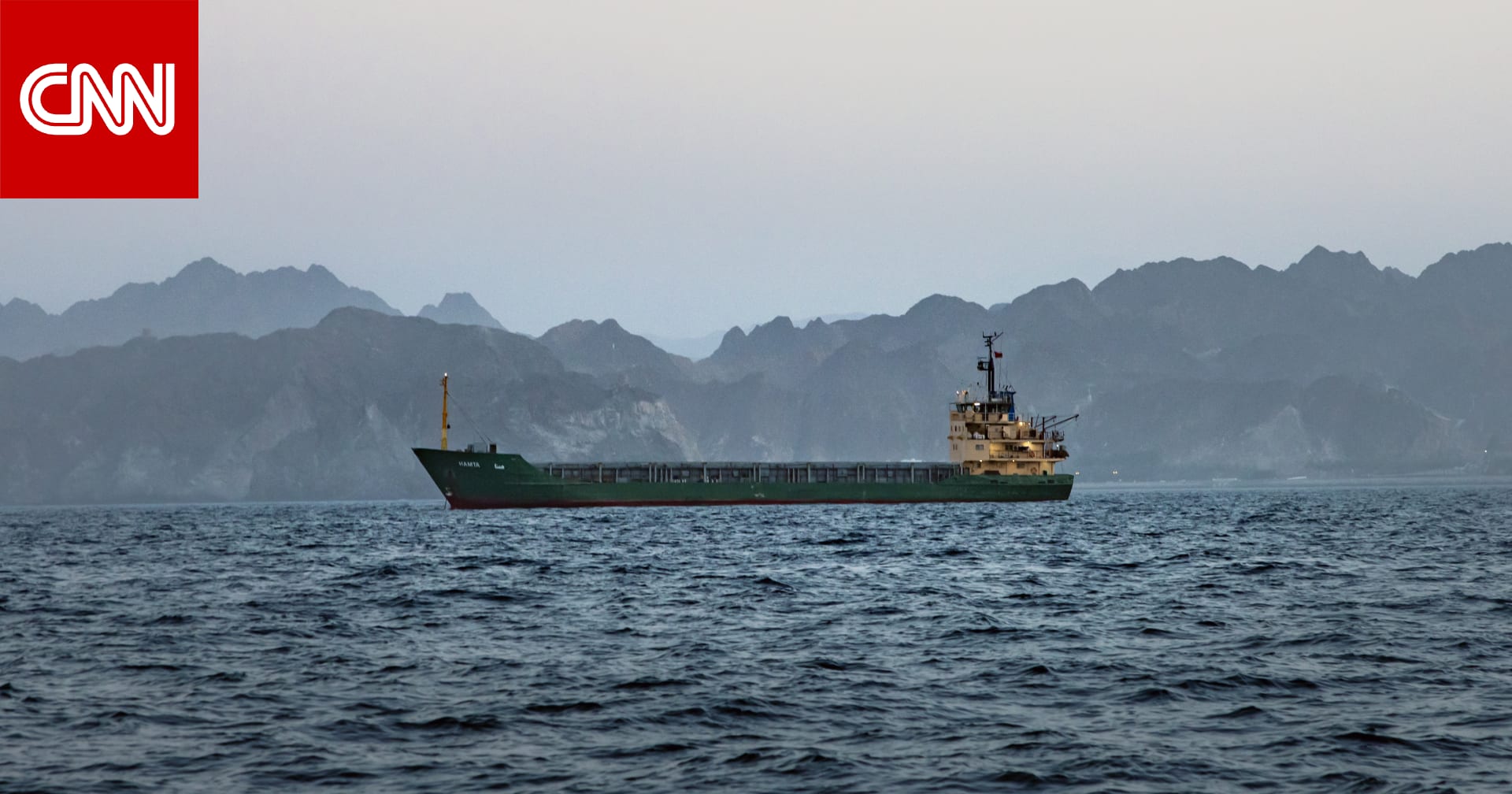
Oil prices jump to their highest levels since May with new threats to vital shipping lanes, amid near-complete closure of the Strait of Hormuz and attacks in Bab el-Mandeb.
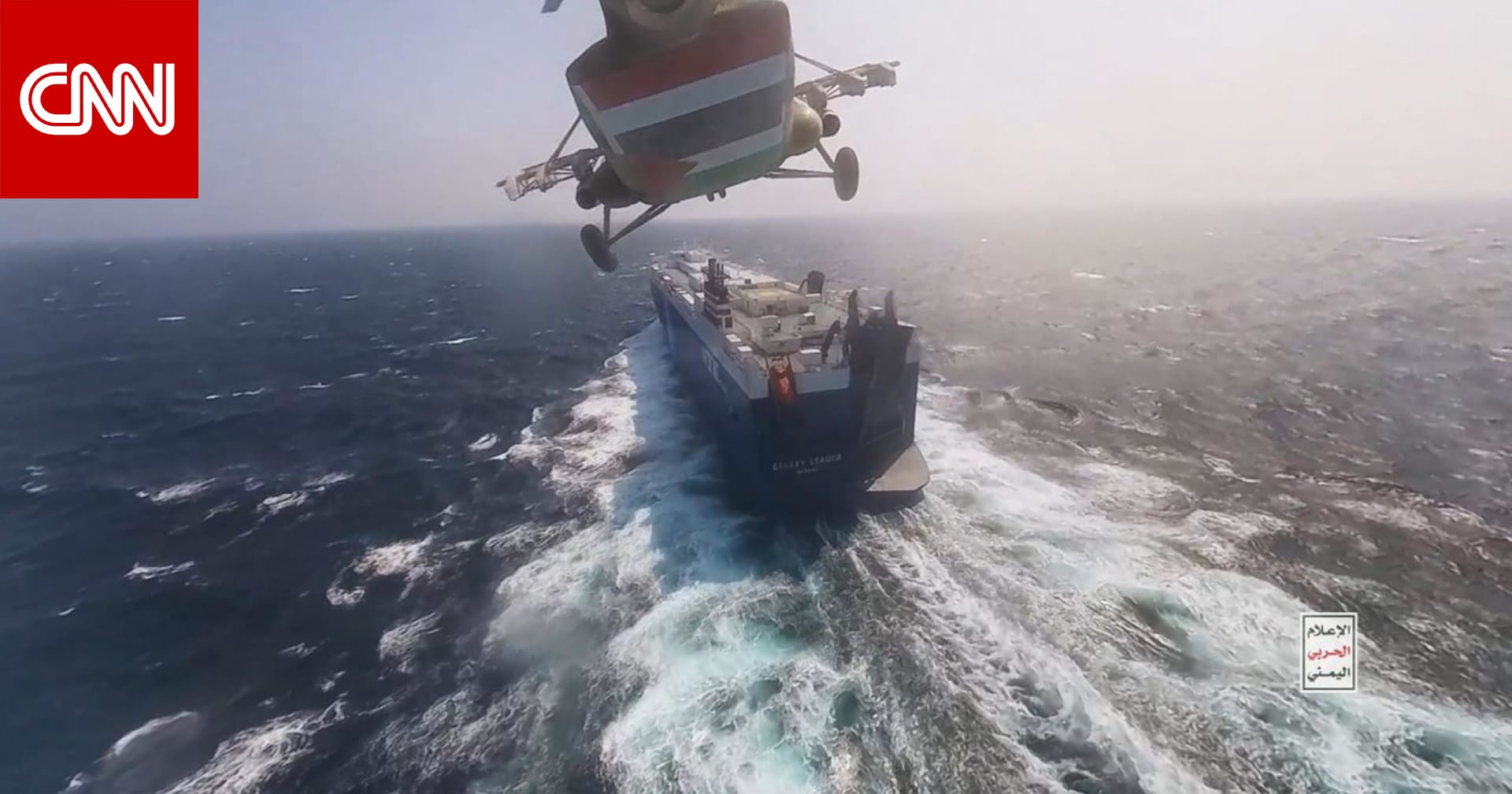
The price of a barrel of oil exceeded the $100 barrier for the first time since last May, after Houthi attacks on Saudi ships in the Red Sea, threatening to close another route for oil exports already suffering near-total strangulation in the Strait of Hormuz.
The maritime passages in the Middle East region are vital arteries for global oil movement, and any disruption to them is immediately reflected in markets.
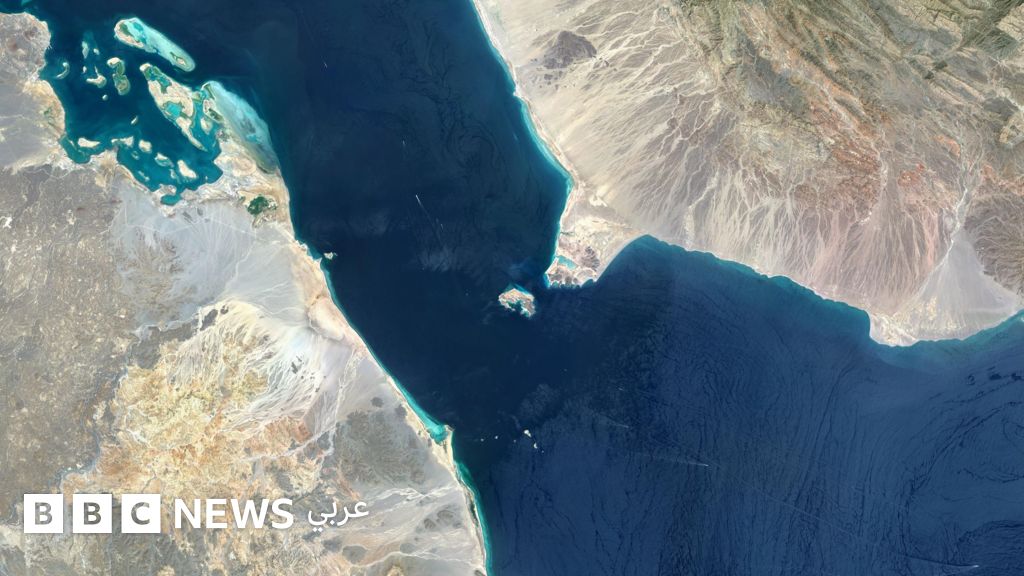
Data from the first half of 2025, before the outbreak of war, shows that about 20.9 million barrels of crude oil and derivatives crossed the Strait of Hormuz daily, compared to 4.2 million barrels via Bab el-Mandeb, and 4.9 million barrels via the Suez Canal.
With rising tensions in the Red Sea, oil exports face simultaneous pressures in the Strait of Hormuz and Bab el-Mandeb, raising the risks of supply disruption and increased shipping and insurance costs, pushing global energy prices higher.
These events once again demonstrate the fragility of energy supply routes in the region, on which global economies heavily rely. The Strait of Hormuz has previously witnessed similar tensions leading to sharp price fluctuations. Continued attacks in the Red Sea may push insurance and shipping companies to raise their premiums, increasing costs. Under these circumstances, analysts are awaiting any developments that could lead to wider disruption of tanker traffic.
Original source: CNN Arabic




Comments (0)
Be the first to comment.