Prisoner exchange: the 'mined' bridge of understanding between the army and RSF

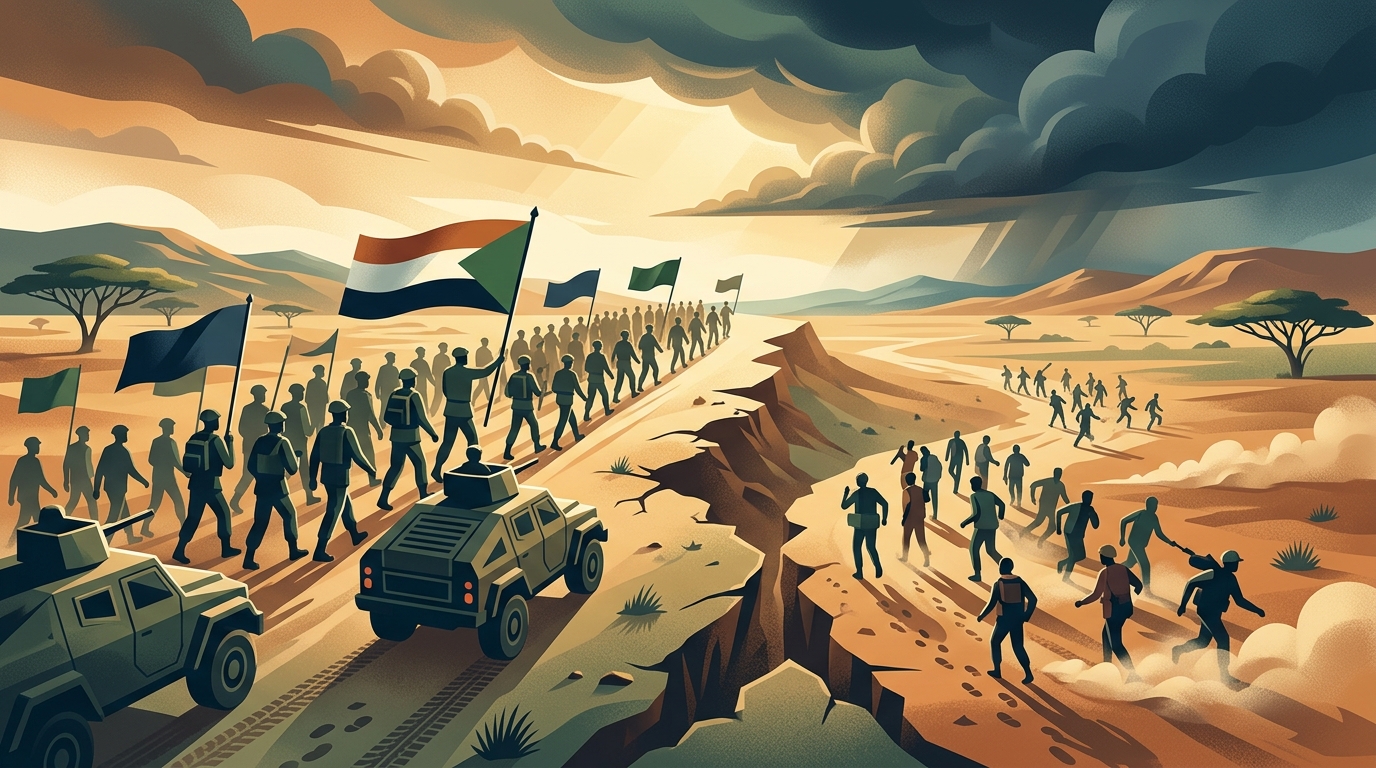
The revival of the prisoner exchange initiative at this time results from a combination of factors. On one hand, the continuation of the war into its fourth year has expanded the numbers of detainees and missing persons, turning their situation into a worsening humanitarian issue that is hard to ignore. On the other hand, international pressure has increased due to documented violations inside detention facilities.
The Sudanese government's welcome of the initiative proposed by the UN Secretary-General's Special Envoy to Sudan, Pika Havisto, regarding cooperation on the prisoner exchange file, gains importance beyond the issue of releasing detainees. It raises questions about whether this file is capable of opening a practical channel of communication between the Sudanese army and the Rapid Support Forces after more than three years of war that have closed most avenues of understanding between the two sides. While Khartoum affirmed its readiness to cooperate, stressing that any prisoner exchange process should be implemented in accordance with international humanitarian law and the legal procedures governing the treatment of detainees during armed conflicts, the Rapid Support Forces have not issued a direct official position on the initiative. However, its allied 'Tasis' coalition linked the initiative's success to the need to incorporate it into a broader path leading to a humanitarian truce and a comprehensive political process.
Interest in this development is not limited to its humanitarian nature, but to the specificity of the prisoner file in armed conflicts. It often constitutes one of the files most separable from political wrangling, yet at the same time one of the most sensitive militarily and security-wise. Therefore, the involvement of the United Nations and the International Committee of the Red Cross in this track grants it a degree of procedural guarantees based on the rules of international humanitarian law and long institutional experience in managing simultaneous releases of detainees, while maintaining neutrality, confidentiality, and independence of humanitarian decision-making. In this context, the initiative is not seen as an entry point to change the balance of the conflict or an indicator of an approaching political settlement, but rather as a test of the ability of the two warring parties to reach a limited understanding on a highly sensitive humanitarian issue.
Organized pattern
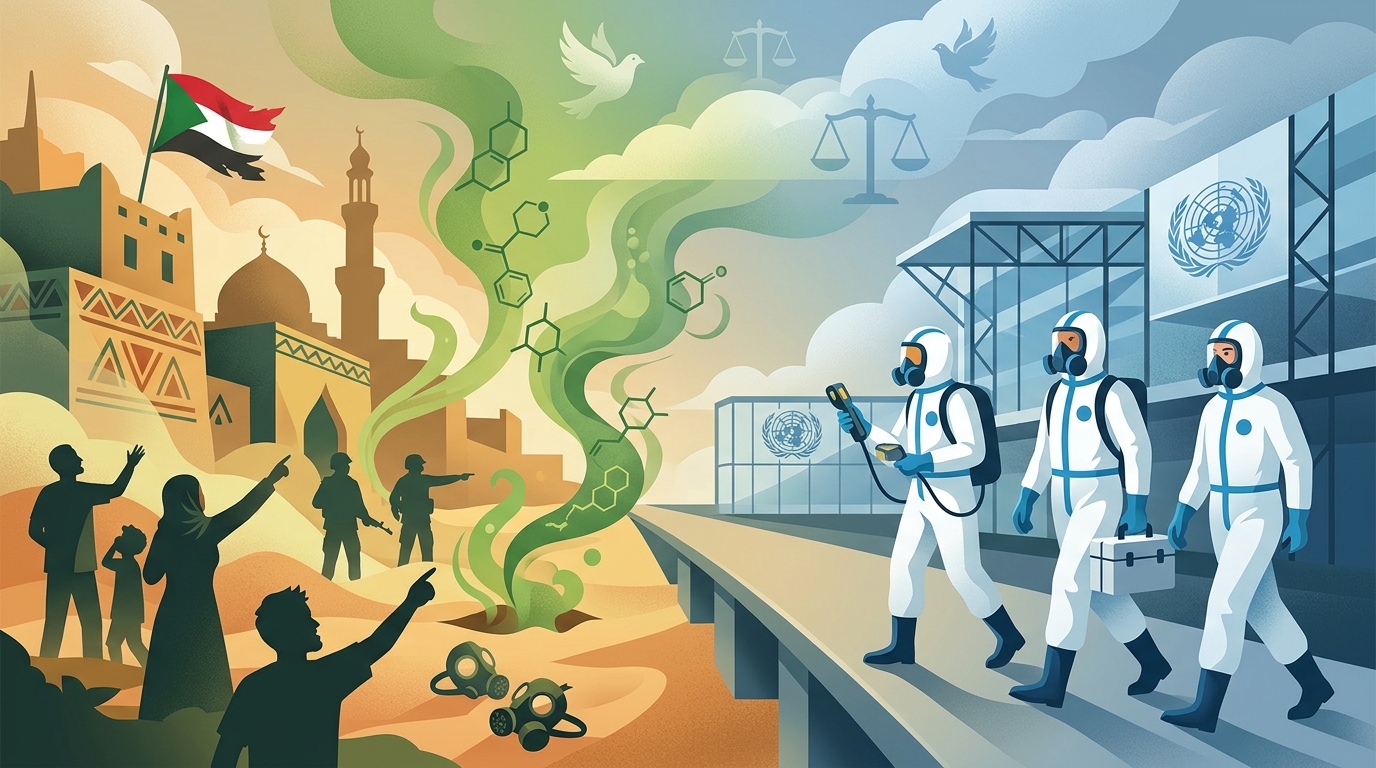
The Independent International Fact-Finding Mission concluded that arbitrary detention, torture, and enforced disappearance are no longer isolated practices but have become part of an organized pattern of control over the population, in continuous violation of international humanitarian law. Local reports highlighted tragic conditions inside some detention facilities, including the 'Dogres' prison in Nyala, run by the Rapid Support Forces, where the 'Sudan Doctors Network' announced the death of more than 215 detainees within just two months due to disease, poor health care, and torture.
Former UN employee Mohamed Babiker says: 'From ancient military customs, through the Hague Conventions, to the Geneva Conventions of 1949, the treatment of prisoners has evolved from being a privilege granted by the victorious force to a legal obligation imposed by the rules of international humanitarian law.' Adding: 'Protection remains more complex in non-international armed conflicts, as the status of "prisoner of war" does not apply legally to captured combatants. Instead, they are subject to the protection provided by Common Article 3 of the Geneva Conventions and Additional Protocol II, which impose humane treatment of detainees and prohibit torture, extrajudicial execution, enforced disappearance, and all forms of degrading treatment.'
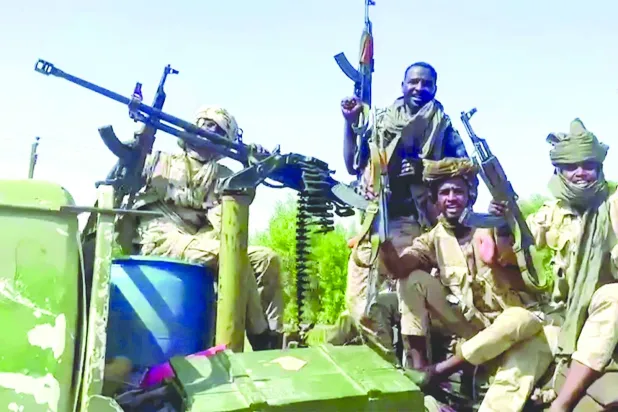
The Rapid Support Forces have not issued a direct official position on the initiative (AFP).
Babiker continues: 'International humanitarian law does not impose a legal obligation on parties to internal conflicts to carry out prisoner exchanges, but it allows them to conclude voluntary humanitarian arrangements. It also authorizes the International Committee of the Red Cross to offer its good offices to facilitate these operations whenever the parties accept. From this standpoint, the latest UN initiative is not merely an attempt to release detainees; rather, it represents a test of the parties' ability to restore a minimum commitment to humanitarian rules in a war where violations have expanded as much as the battlefield, and the fate of thousands of detainees has become one of its most tragic and obscure aspects.'
Revival of the initiative
The revival of the prisoner exchange initiative at this time results from a combination of factors. On one hand, the continuation of the war into its fourth year has expanded the numbers of detainees and missing persons, turning their situation into a worsening humanitarian issue that is hard to ignore. On the other hand, international pressure has increased due to documented violations inside detention facilities, amid repeated reports of torture, ill-treatment, and enforced disappearance. This has made addressing this file one of the few issues where the UN and the ICRC can make progress, even in the absence of a broader political breakthrough.
Read more
Autumn has come, who will save Sudan from its floods? Sudanese and solar energy: 'forced friendship' in times of war Sudanese army attacks Al-Kurmuk and fierce battles at the outskirts of Al-Junaynah Health crisis in Sudan: funding does not exceed one-third of needs
Moreover, the Sudanese experience itself has shown that this track is not completely closed. Since the first weeks of the war, the ICRC has played the role of neutral mediator in a number of limited release operations. In June 2023, it facilitated the release of 125 members of the armed forces, including dozens of wounded, after a similar operation in El Fasher. Then in October of the same year, it supervised the release of an additional 64 detainees, raising the number of those it facilitated to transport and release to 292. In September 2023, the Sudanese army announced the handover of 30 underage members of the Rapid Support Forces to the ICRC, expressing its readiness to hand over hundreds of other detainees, demonstrating the possibility of employing humanitarian mediation away from political negotiation tracks. In June 2024, a local mediation led by a religious leader succeeded in securing the release of 537 police officers who had been detained by the Rapid Support Forces.
The role of the ICRC is not limited to logistical aspects, but extends to providing humanitarian and procedural guarantees that give the parties a degree of confidence in implementing agreements, as the most acceptable humanitarian entity to both warring parties, and the one with the longest experience in managing release operations and safe transport of detainees within a complex combat environment.
Complex challenges
Original source: Independent Arabia

Comments (0)
Be the first to comment.