Qalibaf: US field moves contradict its calls for de-escalation
The spokesman for the Iranian army says that ships belonging to countries cooperating with the United States in launching attacks against his country will face obstacles while crossing the Strait of Hormuz..
International | Iran War
Qalibaf: US field moves contradict its calls for de-escalation
The spokesman for the Iranian army conveyed a warning that ships belonging to countries cooperating with the United States in launching attacks on Iran will face obstacles while crossing the Strait of Hormuz.
These statements coincide with ongoing tensions between Iran and the United States amid disagreements over Iran's nuclear program.
Tolga Akbaba, Sami Sohta
July 20, 2026 • Updated: July 20, 2026
IRAN
Tehran / Anadolu
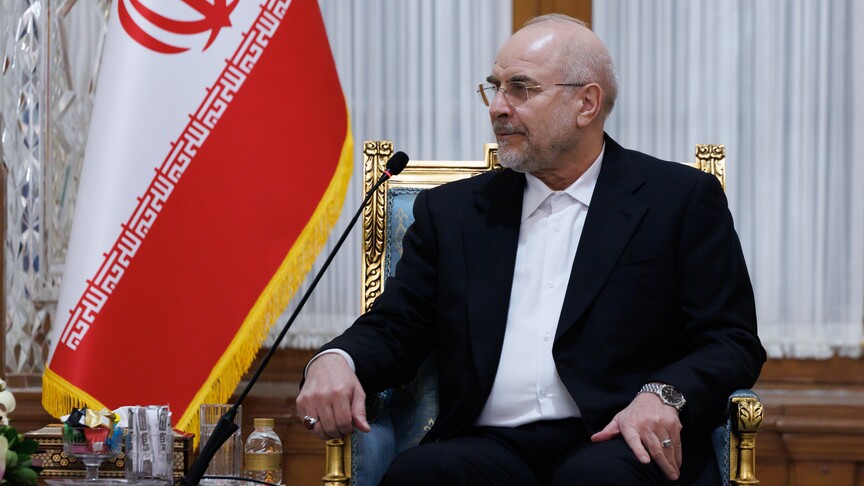
Iranian Parliament Speaker Mohammad Bagher Qalibaf said that the United States' field moves completely contradict its calls for de-escalation in the region.
This came in a post by Qalibaf on his account on the American platform 'X'.
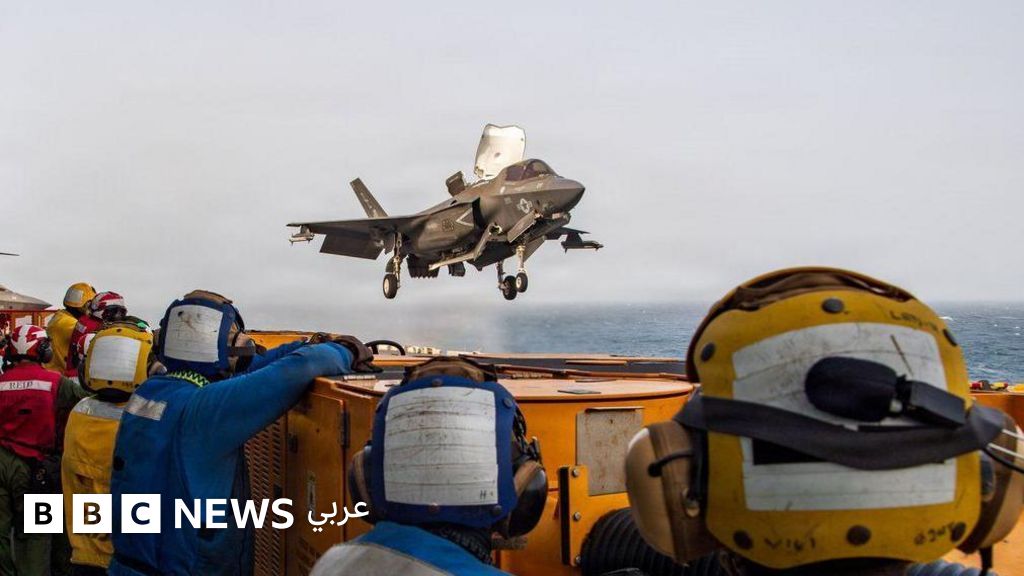
Qalibaf added that Washington continues to send new military reinforcements and equipment to the region, while claiming it wants to end the war with Iran.
Qalibaf added, saying: 'The United States acts inconsistently between words and deeds, as the Americans continue to bring new military hardware to the region while claiming to seek an end to the war.'
Qalibaf considered that Iran has reached a high level of expertise in uncovering American deceptions and is well prepared for them.
On Thursday, US Vice President JD Vance said that some Israeli officials tried to influence American public opinion to prevent the diplomatic path with Iran, stressing that US foreign policy should be determined in Washington, and that preventing Iran from obtaining a nuclear weapon does not necessarily require waging a new war in the region.
In a related context, the spokesman for the Iranian army, Mohammad Akraminia, warned on Monday that ships belonging to countries cooperating with the United States in launching attacks against his country will face obstacles and problems while crossing the Strait of Hormuz.
According to what was reported by Iran's Fars News Agency, Akraminia sharply criticized some Gulf countries that he accused of 'providing support for attacks directed against Iran.'
Akraminia believed that 'some' Gulf countries have economically benefited from the Strait of Hormuz for years through trade in goods and oil, accusing those countries, which he did not name, of cooperating with the United States in attacks against Iran.
He added: 'Countries that support the aggressive and illegal actions of the United States will face problems in passing through the Strait of Hormuz. Military equipment that will be used against the Iranian people cannot be allowed to pass through this strait.'
The Israeli Broadcasting Authority reported on Saturday that the United States has begun sending additional air reinforcements to the Middle East, including fighter jets and refueling aircraft, amid the escalating confrontation with Iran.
On July 8, US President Donald Trump announced the end of the ceasefire stipulated in the memorandum of understanding signed with Tehran on June 18, which includes the lifting of the naval blockade on Iran.
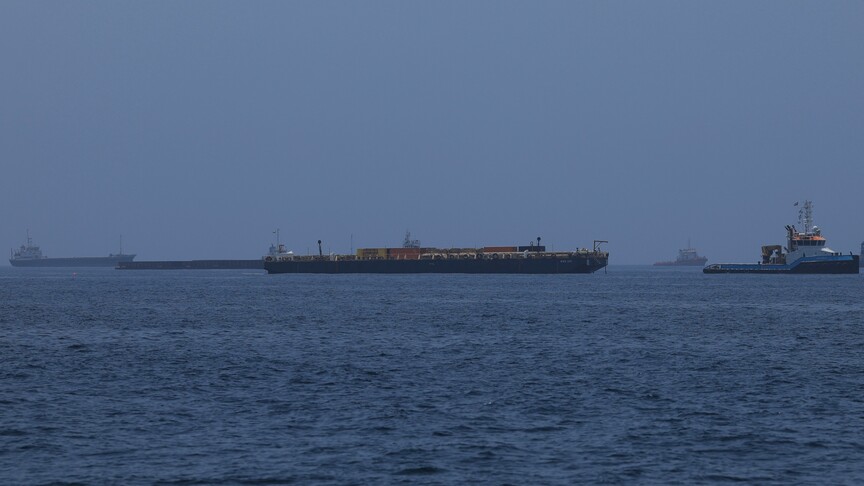
This announcement came after Iran targeted three commercial ships in the Strait of Hormuz, at a time when Tehran asserts its efforts to impose a mechanism to regulate the passage of ships through the waterway, while Washington demands ensuring freedom and security of navigation.
The escalation has disrupted navigation in the strait, threatened energy supplies and air traffic, amid intermittent closures of airspaces, and warnings of targeting American facilities and interests outside the Middle East region.
The statements of Iranian officials paint a picture of mistrust between the two sides, as Tehran accuses Washington of pursuing a dual policy. The warning about the Strait of Hormuz also threatens to complicate international navigation if the confrontation escalates. The question remains whether diplomacy can overcome these obstacles before a broader conflict erupts.
Original source: Anadolu Agency

Comments (0)
Be the first to comment.