Opinion: Abdulkhaleq Abdullah writes: Lessons from the war against Iran: An Emirati view
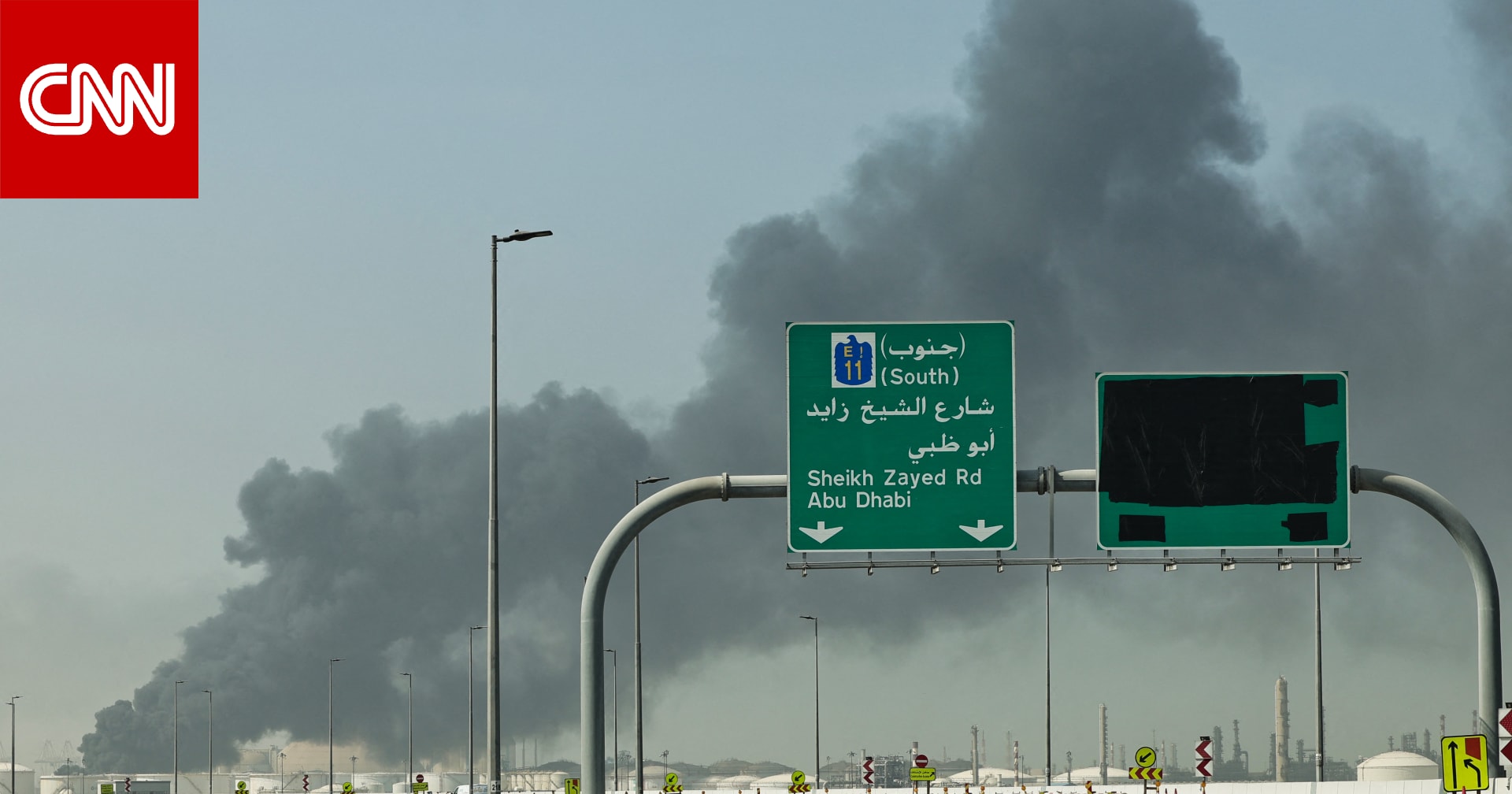
A column of smoke rises from Jebel Ali port following reports of an Iranian strike in Dubai on March 1, 2026. Credit: Fadel SENNA / AFP via Getty Images
This article is by Dr. Abdulkhaleq Abdullah, an academic and political science professor from the UAE, and the opinions expressed below are those of the author and do not necessarily reflect the views of CNN.
All lessons of the Iranian aggression on the UAE are important, but the most important lesson, which will remain eternal in the memory of the people of the UAE for years to come, is how a young state, with a population of 9 million people, an area of 83,000 square kilometers, and armed forces of no more than 64,000 soldiers, managed to withstand, confront, and respond to a surprise attack from a country with a population of 90 million, an area of 1.6 million square kilometers, a civilization 3,000 years old, and a Revolutionary Guard force exceeding 650,000 troops.
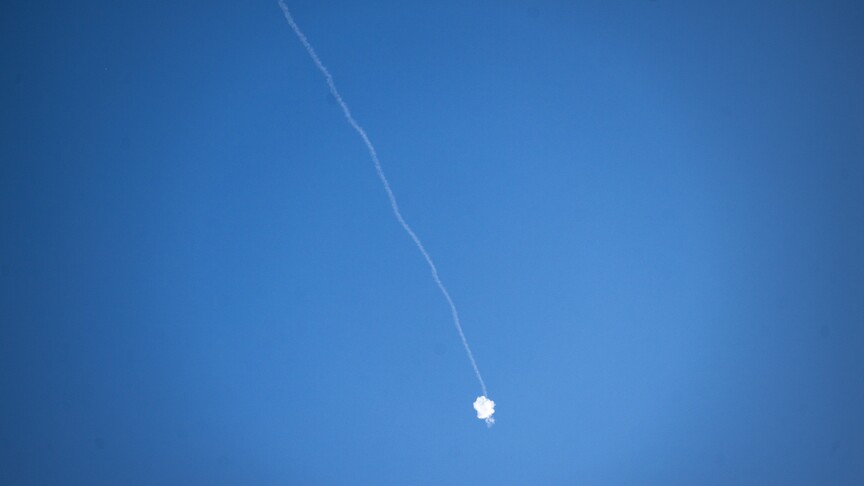
The Iranian aggression with missiles and drones was the greatest external threat the UAE has faced in its modern history. But the UAE, which faced this aggression with strength and did not hesitate for a moment to respond confidently, is now undergoing major reviews of its strategic lessons in order to reorganize its domestic priorities and foreign relations.
Among the lessons learned from the aggression are raising the UAE's self-defense readiness and early preparation for the possibility of renewed war on Iran. This lesson requires increased military spending, development of national military industries, building deterrent missile capabilities, and diversifying sources of armament east and west. The Iranian threat is sustainable, the truce is fragile, and its desire to control the strait establishes a phase of cold war whose end cannot be predicted. Moreover, the new Iranian Revolutionary Guard leaders have a desire for revenge against America and Israel by targeting Gulf countries.
The most hardline faction in the Iranian Revolutionary Guard has shown particular hostility towards the UAE and attempted to deliver a knockout blow to its development model, but it discovered that the UAE is impervious to its missiles and drones, which prompted it to seek independent bilateral dialogue and adopt a diplomacy of necessity with the UAE, which deals with the Iranian adversary from a position of strength.
Among the main lessons of the Iranian aggression is working to reduce dependence on the Strait of Hormuz, which Iran seeks to impose its control and sovereignty over a natural waterway that has been free and safe for passage since its geological formation 35 million years ago. The UAE does not want to be a prisoner of a water strait and plans to bypass it and transfer part of its logistical and oil weight from west to east, by building a new global port, expanding its ports in Dibba, Fujairah, and Khor Fakkan, and laying pipelines and railway networks, to ensure achieving zero dependence on the Strait of Hormuz in the future.
As for the Gulf region, the UAE has discovered that the Gulf joint defense is just a clause on paper, useless and worthless, after it was a pillar of Gulf cooperation and was activated during the invasion of Kuwait, the events in Bahrain, and the Yemen war, but it fell with a resounding crash in the confrontation with Iran.
The Gulf Cooperation Council failed to collectively address the Iranian aggression and did not activate the second article of the joint defense agreement, which states that any aggression against one of its member states is an aggression against the rest of the Council's states. When Iran sent its missiles and drones towards the UAE, only 45 minutes after the joint US-Israeli attack, some Gulf Cooperation Council states preferred not to activate this article. The UAE faced the largest number of Iranian attacks alone over 72 hours, without any Gulf move. It has become difficult, from an Emirati perspective, to rebuild trust in the GCC until proven otherwise.
Among the lessons learned, regarding the relationship with America, is the need to review the presence of US military facilities in the UAE. The question: If America could not protect its naval bases and its Central Command headquarters, and failed to defend its 20 military facilities across the region, how can it be relied upon to provide protection for the UAE? Therefore, perhaps it is time to think about zeroing out the US military presence in the UAE, while maintaining and expanding and deepening the relationship with it as a key strategic partner at all other levels.
Similarly, among the difficult lessons learned from the Iranian aggression is a frank and deliberate national review of the UAE's relationship with Israel. The question in this regard: Is the relationship with Israel a burden or a strategic asset for the UAE? Israel was one of the few countries that took the initiative, on its own, without a request from the UAE, and while it itself was under Iranian attack, to send advanced air defense systems to the UAE and share valuable information that contributed to enhancing UAE security in one of the most difficult and dangerous crises it has experienced.
Despite all that, the relationship with Israel has its huge political price, and its Prime Minister increases the difficulty of implementing the understandings of the Abraham Accords, especially regarding the non-annexation of the West Bank. The UAE's relationship with Israel is a state-to-state relationship, just like Israel's relationship with about 160 countries in the world, but this relationship has brought difficult accusations, including claims promoted by the UAE's adversaries about the emergence of an Emirati-Israeli alliance seeking to fragment the countries of the region. All of this calls for calibrating the relationship with Israel in the post-war on Iran phase, to alleviate its huge political burdens.
The most dangerous aggression the UAE has faced has proven that it has partners and friends who were with it and by its side, and they are currently on a special list of loyal distinguished friends. But the UAE also found, through a comprehensive review of the lessons of the aggression, that there are many countries whose positions were hesitant and disappointing, despite their deep ties and interests with the UAE, and the most prominent example is Pakistan. These countries are on a list of countries that do not deserve appreciation until further notice.
The Iranian aggression on the UAE began at exactly 12:53 PM on February 28, 2026, and continued without interruption for about two months. This date will remain eternal, and its lessons are currently being absorbed, most notably that a young state steadfastly and bravely confronted a state that surpasses it in population, area, and power, possessing enormous destructive military capabilities, and claiming to have defeated America and Israel.
And no lesson surpasses this lesson, which has made the UAE more confident and stronger in defending its safe and prosperous developmental and knowledge model, which is invincible and derives its strength from a wise and ambitious Emirati governance accustomed to creative thinking to overcome risks, manage crises, and turn challenges into opportunities.
Original source: CNN Arabic


Comments (0)
Be the first to comment.