Widespread Arab Rejection of Houthi Threats to Saudi Arabia and Maritime Navigation
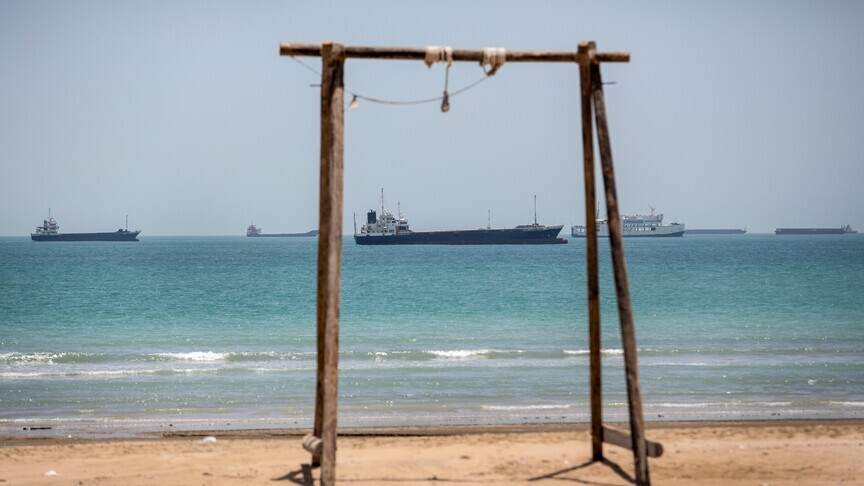
The positions included Qatar, Bahrain, Kuwait, Jordan, Yemen, Egypt, and the Gulf Cooperation Council, after the group announced a maritime navigation ban on Saudi Arabia.
ISTANBUL / AA
Saudi Arabia and 8 Arab countries, in addition to the Gulf Cooperation Council, rejected on Tuesday the Houthi group's threats to the kingdom's security and freedom of navigation in the Red Sea, emphasizing the need to protect international waterways.
The positions came from Saudi Arabia, Qatar, Bahrain, Kuwait, Jordan, Egypt, Mauritania, and the Yemeni government, following the Houthi group's announcement on Monday of imposing what it called a "maritime navigation ban" on Saudi Arabia.
Houthi military spokesman Yahya Saree had announced in a video statement a "maritime navigation ban on Saudi Arabia" in response to what the group claims is a blockade imposed by Riyadh, adding that the decision takes effect immediately upon its announcement.
Saudi Arabia
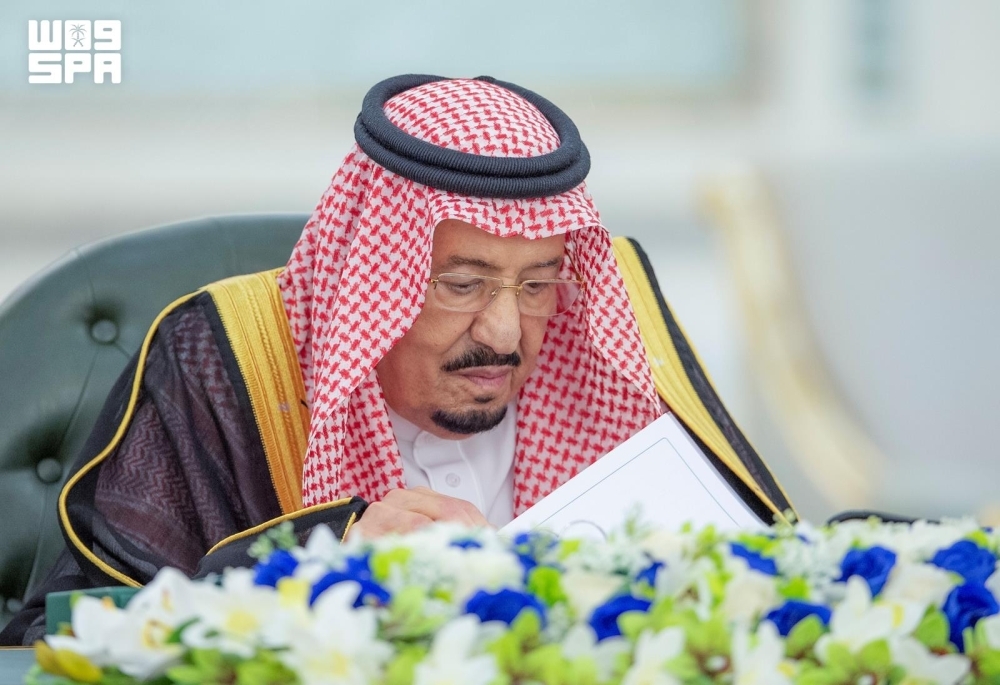
The Saudi Foreign Ministry condemned in the strongest terms the Houthi announcement, affirming that the kingdom will take all necessary measures to protect its ships in accordance with international law and the United Nations Convention on the Law of the Sea.
Riyadh called on the international community to assume its responsibilities in implementing relevant Security Council resolutions, foremost among them Resolutions 2216 on Yemen and 2722 on navigation rights and freedoms in the Red Sea.
For its part, the coalition to support legitimacy in Yemen, led by Saudi Arabia, vowed to respond "firmly and forcefully" to Houthi threats to ships transiting the Bab al-Mandeb strait, announcing the start of measures to protect its vessels.
Coalition spokesman Turki al-Maliki said the Houthi threats to navigation constitute a "clear violation of international law" and fall under "acts of maritime piracy."
He explained that more than 300 commercial vessels entered the ports of Hodeidah, Salif, and Ras Isa, under Houthi control, during the first half of 2026, loaded with food, goods, fuel, and construction materials.
Al-Maliki accused the group of causing the closure of Sanaa airport and destroying aircraft belonging to Yemenia Airways, and of rejecting initiatives aimed at resuming flights to and from the airport.
Qatar
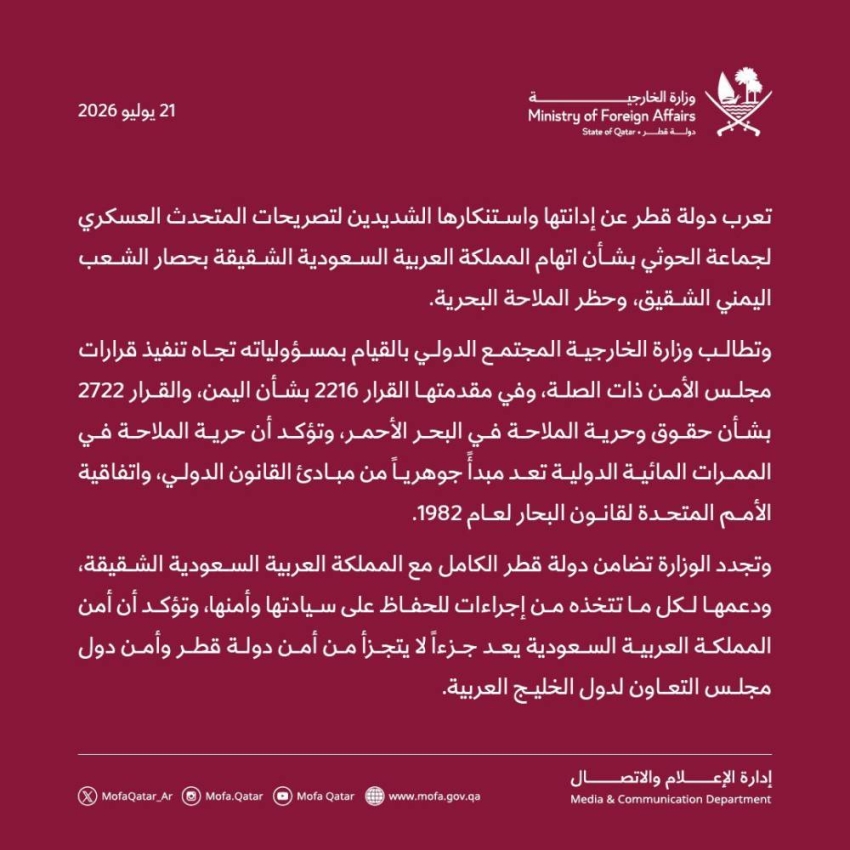
The Qatari Foreign Ministry expressed its strong condemnation and denunciation of the Houthi statements accusing Saudi Arabia of besieging the Yemeni people and announcing a maritime navigation ban.
It called on the international community to fulfill its responsibilities in ensuring navigation rights and freedoms in the Red Sea, affirming that Saudi Arabia's security is an integral part of Qatar's security and that of the Gulf Cooperation Council states.
Bahrain
The Bahraini Foreign Ministry condemned the Houthi threats against Saudi Arabia, considering them to undermine regional security and stability and target maritime navigation, international trade, and civilians.
It affirmed that Saudi Arabia's security is an integral part of Bahrain's security, calling for concerted international efforts to protect navigation in the Red Sea, Bab al-Mandeb, and vital waterways.
Kuwait
The Kuwaiti Foreign Ministry also condemned what it described as "false claims" and threats targeting freedom of maritime navigation, calling on the international community to ensure the implementation of its resolutions concerning navigation rights in the Red Sea.
It stressed that freedom of navigation in international waterways is a right guaranteed by the rules of international law and the 1982 United Nations Convention on the Law of the Sea.
Jordan
For its part, the Jordanian Foreign Ministry condemned the statements of the Houthi military spokesman, affirming the kingdom's solidarity with Saudi Arabia and calling on the international community to assume its responsibilities to protect freedom of navigation in the Red Sea.
It affirmed that freedom of navigation in international waterways is a right guaranteed by international law and the United Nations Convention on the Law of the Sea.
Egypt
Egypt condemned in the strongest terms the threats targeting Saudi Arabia's security, considering them an irresponsible escalation threatening regional security, stability, and the safety of maritime navigation and international trade.
The Egyptian Foreign Ministry affirmed Cairo's full solidarity with Saudi Arabia and the Gulf Cooperation Council states, and its support for all measures taken by the kingdom to maintain its security, sovereignty, and territorial integrity.
It stressed the importance of prioritizing political and diplomatic solutions and respecting the rules of international law to de-escalate the region.
Mauritania
In Nouakchott, the Mauritanian Foreign Ministry condemned the threats issued by the Houthi military spokesman and the accusations contained therein against Saudi Arabia.
It affirmed Mauritania's standing alongside the kingdom in the face of anything targeting its security, sovereignty, and vital interests, and supported its right to take necessary measures to protect its territory, citizens, and maritime navigation.
Yemen
Following the Houthi announcement, the Yemeni National Defense Council held an emergency meeting in Riyadh chaired by Presidential Leadership Council President Rashad al-Alimi.
The meeting discussed the readiness of the armed forces and military formations to deter Houthi escalation and mobilize capabilities to restore state institutions and end the coup, according to the official Yemeni news agency Saba.
The council affirmed that protecting national sovereignty, the republican system, and restoring state institutions is a national priority, calling on Yemenis to rally behind the armed forces and security apparatuses.
The Yemeni Foreign Ministry also announced its support for measures taken by Saudi Arabia to protect its sovereignty, security, territorial integrity, and waterways, and called on the international community to confront Houthi threats to navigation in the Red Sea and Bab al-Mandeb.
Gulf Cooperation Council
Gulf Cooperation Council Secretary-General Jassim al-Budaiwi condemned the statements of the Houthi military spokesman and the allegations contained therein against Saudi Arabia.
He said the statements represent an attempt to distort facts and shirk the group's responsibility for practices that have deepened the suffering of Yemenis and threatened regional security and stability.
He affirmed that the security of maritime navigation and freedom of international trade is a key pillar of regional and international security, calling on the international community to take a firm stance and implement Security Council resolutions to ensure the protection of international waterways.
Renewed Escalation
Yemen has witnessed since April 2022 a fragile truce in a war that began over 11 years ago between government forces backed by a Saudi-led coalition and the Houthi group, which has controlled Sanaa and other provinces since September 2014.
On July 13, the Yemeni Defense Ministry announced that its forces targeted the runway of Sanaa airport to prevent an Iranian plane from landing, while the Houthis accused Saudi Arabia of carrying out the attack and considered it an end to the de-escalation phase.
In recent days, clashes between government forces and Houthis have renewed in provinces including Al Jawf, Ad Dali, and Taiz, amid mutual threats between the two sides.
Original source: Anadolu Agency


Comments (0)
Be the first to comment.