Saudi Skies Above the Noise..
Muneef Al-Harbi
Saudi Skies Above the Noise..
July 15, 2026 - 00:08 | Last updated July 15, 2026 - 00:08
Follow Okaz channel on WhatsApp
The airspace in civil aviation is governed by laws, protected by agreements, and administered by states according to precise rules accumulated over decades.
Every aircraft crossing from one country to another remains within a global system aimed at protecting lives, ensuring the smooth flow of air traffic, and keeping civil transport away from political conflicts and wars.
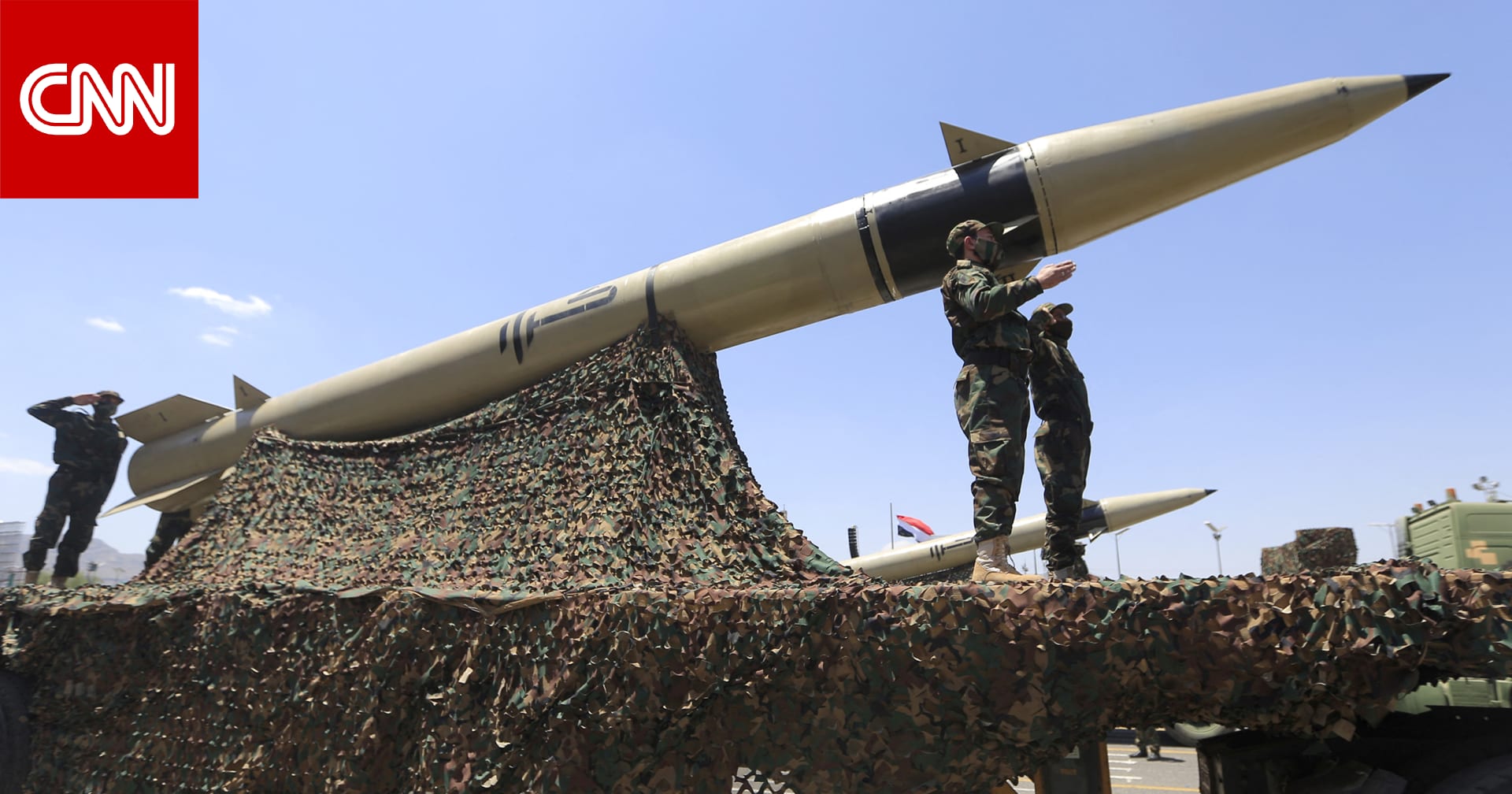
Hence the naivety of the statement made by the military spokesman for the Houthi group, when he warned airlines against crossing Saudi airspace. This nonsense cannot be categorized as political discourse or military propaganda, because it is directed directly at civilian companies, aircraft carrying passengers from different countries, and crossing air corridors that serve air traffic between continents.
Since the signing of the Chicago Convention in 1944, the international community has worked to build a civil aviation system based on states' sovereignty over their airspace, cooperation among them, and protection of civil flights from unlawful interference. Then came the Tokyo, Hague, and Montreal conventions to emphasize the criminalization of attacks on aircraft, airports, and the safety of air navigation. This system was not established to protect a particular company or state, but to protect human beings when they are inside an aircraft thousands of feet high.
Any threat to civil aviation strikes at the heart of this global system. A commercial aircraft has no military status, and passengers are not party to any conflict their flight happens to pass over. When an armed group threatens global air traffic, it declares its rebellion against international law and reveals its readiness to use civilian lives as a bargaining chip.
This barbaric behavior is consistent with the Houthis' history of targeting airports and civilian facilities, threatening sea lanes, and launching missiles and drones. Every time this group tries to cloak its actions with a political slogan, reality exposes them naked before the world. They are merely a rebellion project that relies on weapons, lives on tension, and derives its presence from the fear it generates in its own country.
In contrast, the Kingdom of Saudi Arabia stands with a calm policy and long patience.
Over the years, Saudi Arabia has faced repeated attacks that it could have dealt with using a different logic. Nevertheless, it has shown its commitment to regional security and the interests of its peoples, offered the political solution, supported humanitarian efforts, opened doors for dialogue, and considered the conditions of the Yemeni people despite the denial and posturing it encountered.
This rational approach comes from a state that knows its position. Saudi Arabia realizes that its role extends beyond its borders and that its decisions affect its surroundings, the global economy, the stability of energy markets, and trade and aviation movement. Therefore, it does not run its policy with momentary emotion, nor does it allow the bickering of small groups to push it into short-sighted choices.
Today, Saudi airspace is a main artery in the global aviation network. The Kingdom's location at the heart of connectivity between Asia, Europe, and Africa has given its airspace exceptional importance. Its stability and advanced infrastructure have made it an essential part of the flow of international flights, with thousands of aircraft crossing this airspace, carrying millions of passengers and connecting cities, economies, and markets across the four corners of the world.
This value is built by the state through security, efficiency, and commitment, not through empty slogans.
While Saudi Arabia invests in airports, air navigation, network expansion, and connecting the world, a defeated and crisis-ridden militia stands to threaten civilian aircraft. Here the difference emerges between the stances of a state that adds to the world and a group that seeks to disrupt its interests.
History shows no mercy to projects based on hatred and threats, while it preserves the legacy of those who built and cultivated. Saudi Arabia knows this truth, so it proceeds with the confidence of a great state, while the Houthis repeat the same language used by many before them, who then ended up outside the scene.
He who protects the sky protects the world, and he who threatens it declares his enmity to humanity. This truth sums up the entire scene: a state that preserves international stability, and a militia that feeds on chaos.
Original source: Okaz

Comments (0)
Be the first to comment.