Smotrich: Israel does not want to engage in the current campaign against Iran

The far-right finance minister claimed that "the current situation serves Israel's interests" and that Tel Aviv "is on high alert for any scenario"
International/Israel
Smotrich: Israel does not want to engage in the current campaign against Iran
The far-right finance minister claimed that "the current situation serves Israel's interests" and that Tel Aviv "is on high alert for any scenario"
Abdel Ra'ouf D. A. R. Arnaout
July 21, 2026 • Updated: July 21, 2026
KUDÜS
Jerusalem / Anadolu
Israeli Finance Minister Bezalel Smotrich claimed on Tuesday that Tel Aviv does not want to engage in the current confrontation that erupted between Washington and Tehran about two weeks ago.
This came during a press conference by Smotrich, leader of the far-right Religious Zionism party, as reported by the Hebrew newspaper Yedioth Ahronoth.
Smotrich said: "The State of Israel is not interested at this time in joining the (American) campaign against Iran."
He added: "We must remember that our general goal in the campaign, not necessarily in cooperation with the United States, is to undermine and weaken the (Iranian) regime."
He continued: "The current situation serves our interests, and we do not want to push ourselves into being involved, but we are on high alert for any scenario."
The Israeli minister threatened Iran, saying: "If you make a mistake and fire at us, you will regret it and receive a very strong response."
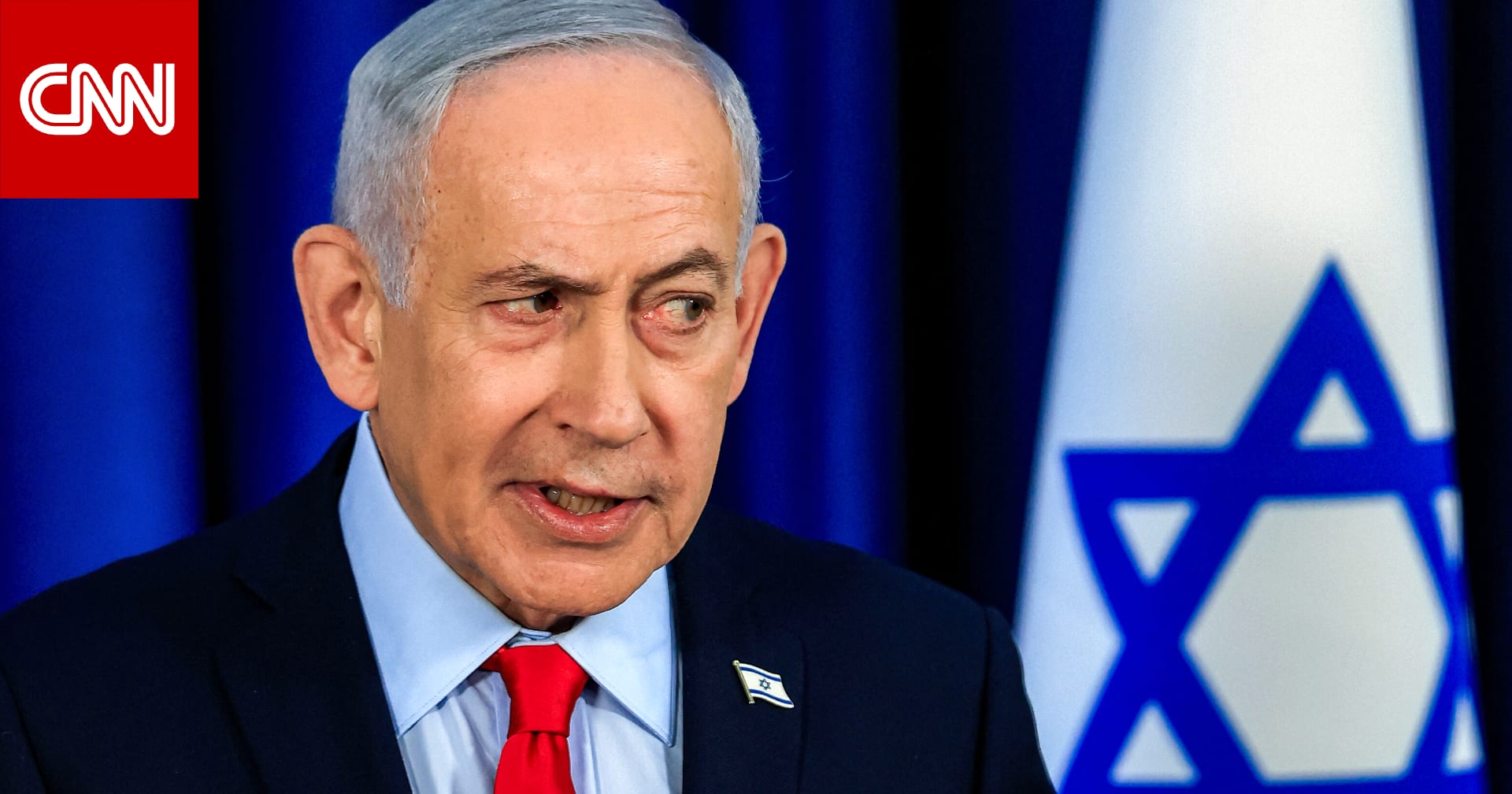
On Monday evening, Israeli Prime Minister Benjamin Netanyahu held a security consultation session with ministers and military leaders regarding developments in Iran, without a statement on its outcomes.
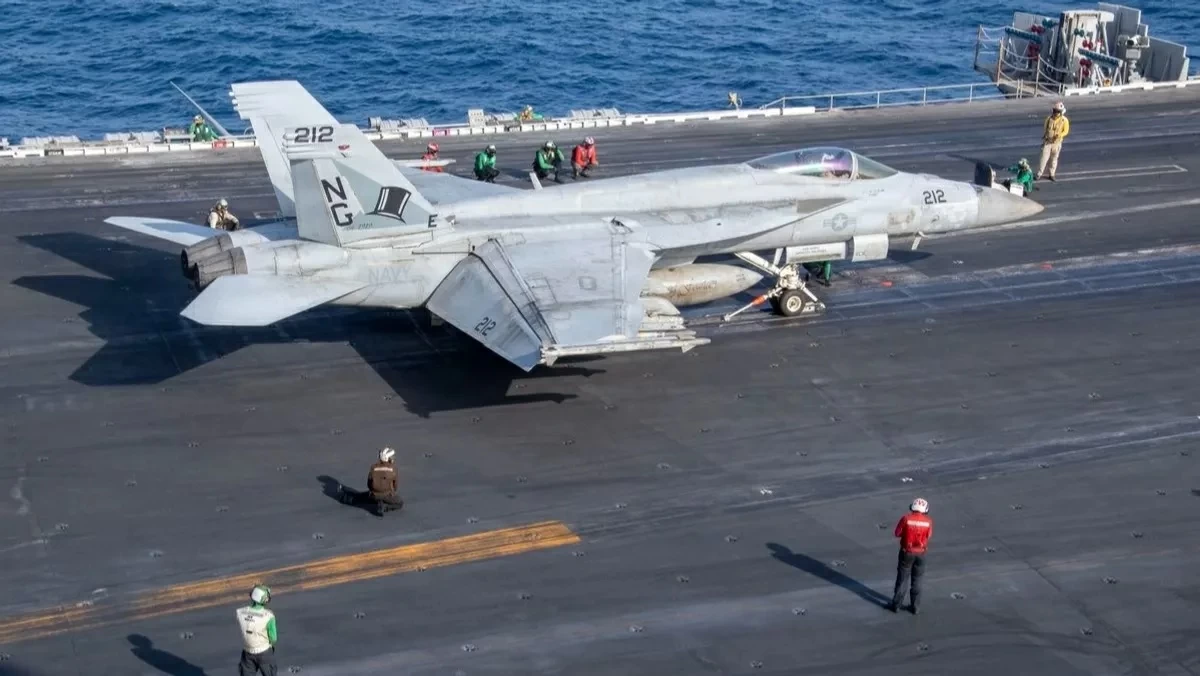
For days, the United States has been launching successive waves of strikes on sites inside Iran, while Tehran carries out attacks on what it says are American ships, facilities, and military bases in several countries in the region.
This comes despite Washington and Tehran signing a memorandum of understanding on June 18 last month, which included a ceasefire and the start of negotiations to reach a broader agreement.
However, US President Donald Trump announced on July 8 that the ceasefire had ended, after Iran targeted three ships in the Strait of Hormuz, prompting Washington to resume its strikes inside Iran, amid escalating responses from Tehran in the region.
Washington demands "guaranteeing freedom of navigation in the Strait of Hormuz," while Tehran, as a littoral state, insists on imposing a mechanism to regulate the passage of ships through the strategic waterway, exacerbating fears of disruption to oil and gas exports from the region.
Israel has previously participated with the United States in two waves of attacks against Iran. The first began on June 13, 2025, when Tel Aviv launched a surprise attack on Iranian military and nuclear facilities, before Washington intervened on the 22nd of the same month, bombing three Iranian nuclear sites.
Iran responded by bombing several sites inside Israel with missiles and drones, and the confrontation lasted 12 days.
The second wave began on February 28, 2026, when the US-Israeli coalition launched a large-scale aerial and naval attack targeting the capital Tehran and other Iranian cities, and the assassination of Iran's Supreme Leader Ali Khamenei and a number of officials, while Iran responded by bombing Israel with missiles and drones.
This confrontation came amid escalating tensions and the collapse of indirect negotiations over Iran's nuclear program.
Original source: Anadolu Agency

Comments (0)
Be the first to comment.