As US and Iran escalate, sources reveal to CNN how Israel is thinking
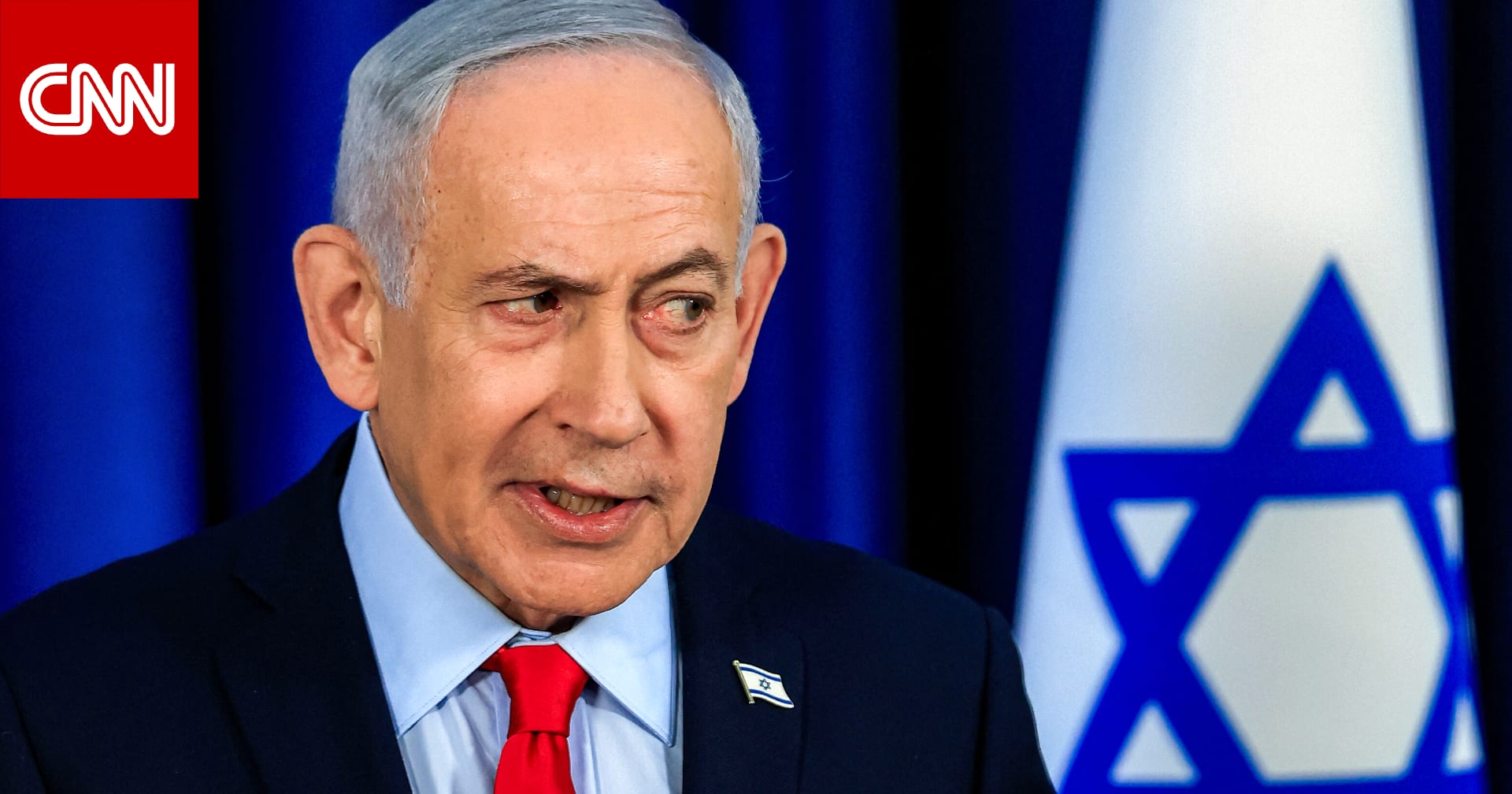
(CNN)-- Three Israeli sources told CNN that Israeli forces are on high alert and drawing up operational plans for a possible escalation in the US-Iran conflict, but for now do not intend to join it soon.
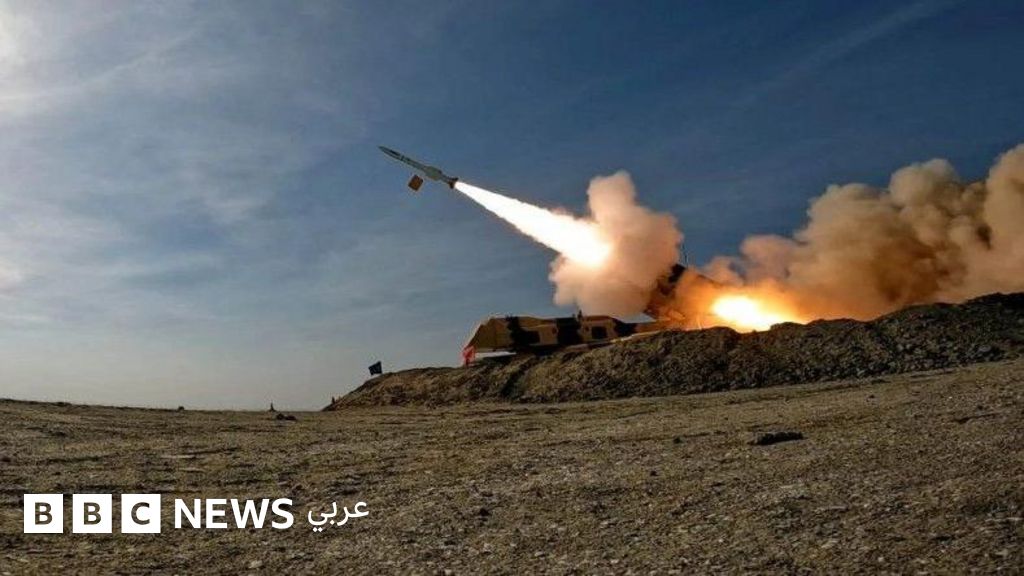
The sources added that Israel has not directly participated in the renewed round of fighting that erupted in early July following Iranian attacks in the Strait of Hormuz, and that Washington has not yet asked it to join this campaign.
One source said, "We will be on standby" if US President Donald Trump decides to significantly expand the strikes and calls on Israel to join.
According to another source, Prime Minister Benjamin Netanyahu held a limited security meeting on Monday to review the latest developments with Iran.
The meeting discussed possible scenarios that could lead Israel to fight, including joining at Washington's request, due to an Iranian move requiring an Israeli response, or an Israeli preemptive strike to thwart what it considers an imminent threat.
For his part, Israeli Chief of Staff Eyal Zamir affirmed on Sunday the army's readiness, saying: "We are on standby for an immediate return to fighting, and we will respond with great force to any party that harms us."
Despite the high alert, a source reported that Israel is satisfied with the continuation of the status quo of staying away from the conflict while the US and Iran continue exchanging strikes, as the chance of reaching a nuclear deal remains distant and economic pressures on Tehran increase.
Israeli Finance Minister Bezalel Smotrich, who participated in the security consultations, said Tuesday: "At present, Israel has no interest in joining this campaign."
In a speech at a conference, Smotrich said the limited confrontation between Iran and the US serves Israeli interests, as it increases pressure on the Iranian regime.
He added, referring to rising inflation in Iran: "The best way to topple the regime is to crush it economically, so the status quo is in our interest, and we have no interest in dragging ourselves into it."
One source said Israel's assessment indicates that recent US strikes on bridges inside Iran have dealt a heavy blow to the country's transportation and trade networks.
The source added: "The Iranian economy is collapsing, and this will further weaken the regime in the end." Rampant inflation and poverty fueled a wave of popular protests against the regime in January, and Israel considers the Iranian economy one of the regime's biggest weaknesses.
A senior Israeli official told CNN that the likelihood of escalating attacks in the Strait of Hormuz and dragging Israel into renewed fighting has increased in recent days, although the situation remains volatile, as Israel closely follows regional mediation efforts to defuse the crisis.
The official also said: "The situation is changing," noting that some figures in Trump's circle are pushing for diplomacy to avoid broader escalation.
A second Israeli official said that if Israel eventually joins the fighting, it will seek to strike high-value targets - especially energy infrastructure and nuclear sites - targets that Israel has wanted to hit since the March campaign but Trump prevented.
He continued: "These are targets that could lead to a decisive outcome in the war, but they pose a serious risk to Gulf states and oil prices. So far, the Americans have not wanted to take that risk."
In this context, sources indicate that Netanyahu has been trying for weeks to arrange a direct meeting with Trump, but no date has been set yet.
The two leaders have not met face-to-face since February, before the campaign against Iran, despite regular communication.
One source mentioned that Netanyahu is considering traveling to the United States next week to attend the funeral of Senator Lindsey Graham, and is exploring the possibility of arranging a meeting with Trump in conjunction with that visit.
Original source: CNN Arabic


Comments (0)
Be the first to comment.