Analysis: Gulf states bear the cost of Iranian attacks.. so why don't they retaliate militarily?
Credit: AFP via Getty Images
Analysis by Lex Harvey, CNN
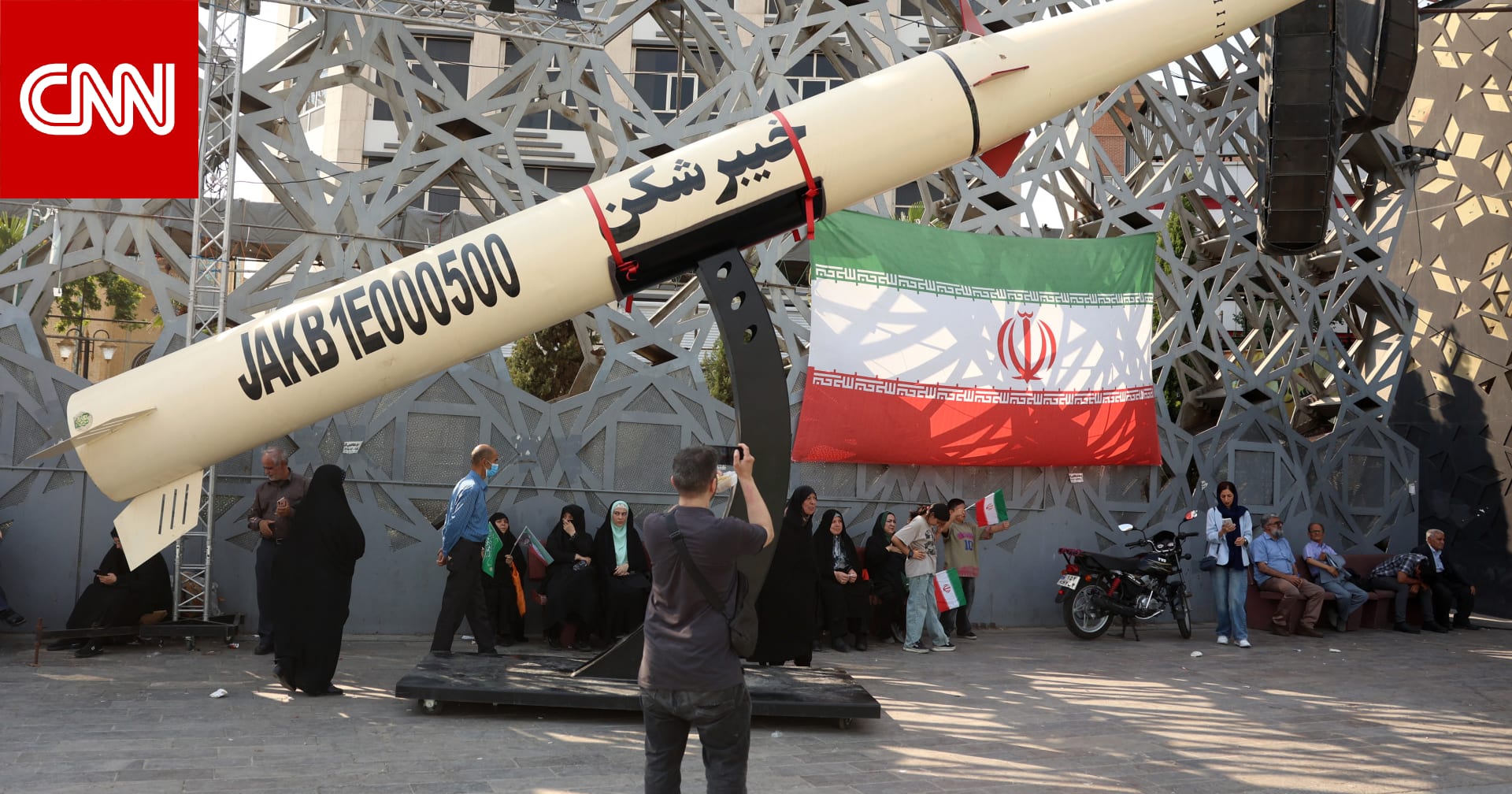
(CNN)-- Throughout its war with the United States, Iran has directed the bulk of its counterattacks toward the oil-rich Arab states along the Gulf.
Iran has repeatedly targeted US assets and energy infrastructure across all six member states of the Gulf Cooperation Council: Bahrain, Kuwait, Qatar, Oman, Saudi Arabia, and the United Arab Emirates.
This has come at a heavy cost, with repairs to oil refineries, power plants and other energy facilities damaged during the war estimated at $58 billion, according to estimates released by Rystad Energy in April, which do not include the latest round of fighting. This week, a major power and desalination plant in Kuwait was attacked twice in two days.
More broadly, the Iranian attacks have also undermined confidence and the sense of security in the Gulf region, disrupting tourism and air travel in this vital global transport hub, and prompting some foreign residents to leave.
Although Gulf leaders have strongly condemned the Iranian attacks on their soil, they have refrained from military retaliation.
This is because, despite the rising costs of war, 'any further escalation with Iran would impose burdens these governments are unwilling to bear,' according to Hesham Sallam, a senior researcher at the Center on Democracy, Development and the Rule of Law at Stanford University, in comments to CNN.
Sallam said: 'Gulf states have built much of their domestic and international legitimacy on ambitious visions of growth, attracting investment, developing tourism, building infrastructure, and enhancing integration into global markets. Any escalation of the conflict with Iran could threaten the modernization projects these states have invested heavily in, both politically and financially.'
For his part, Ian Parmeter, a Middle East expert and former Australian ambassador to Lebanon, said Gulf states realize that military intervention would only prolong the war.
Parmeter added, in comments to CNN, that unlike the United States, which is thousands of miles from Iran, Gulf states 'are fully aware that, whatever the future holds, Iran will remain their neighbor.'
He concluded: 'They will have to coexist with Iran.'
Original source: CNN Arabic




Comments (0)
Be the first to comment.