US Newspaper: Iran Races to Repair Its Military Infrastructure, Exceeding Expectations
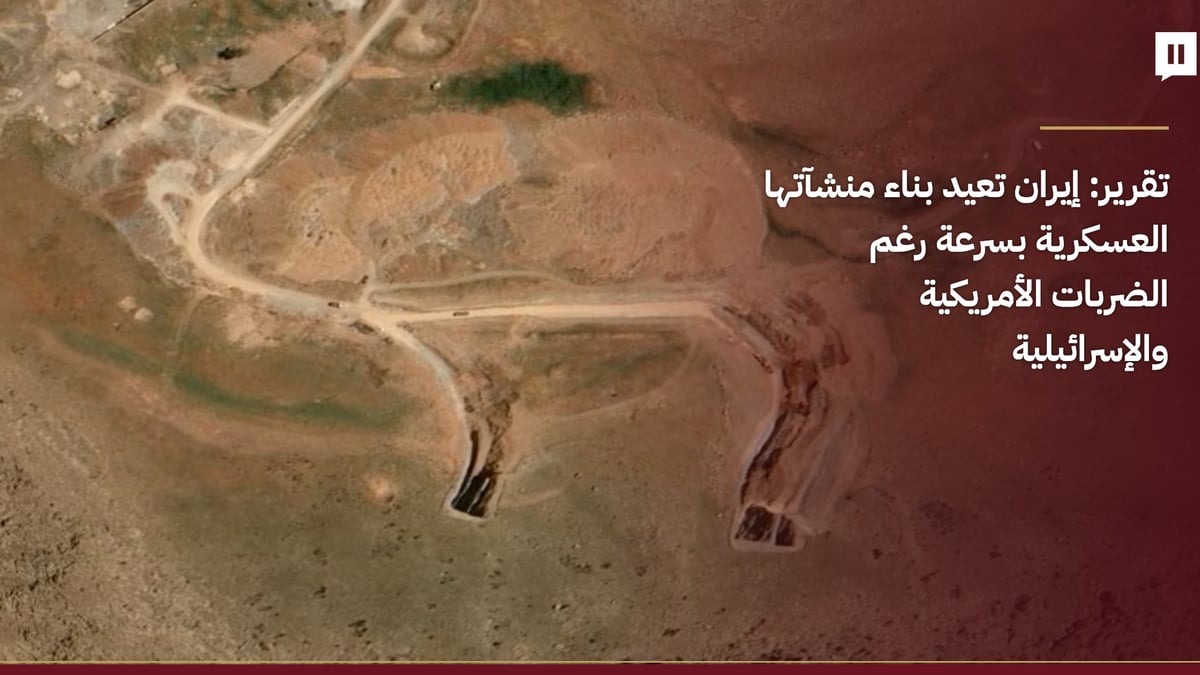
Intelligence reports and recent satellite imagery indicate that Tehran is rehabilitating its damaged military facilities at a pace that defies expectations, despite intensive strikes.
The Wall Street Journal reported that Tehran has begun repairing its military installations and infrastructure damaged by US and Israeli strikes at a speed that has exceeded expectations, based on satellite imagery and statements from Israeli and Western officials.
These developments come amid ongoing military escalation in the region, raising persistent questions about the effectiveness of military strategies in curbing the strategic capabilities of nations.
The newspaper stated that rehabilitation work included mountain missile tunnels, ports, bridges, and manufacturing sites, raising concerns among Israeli leaders about the efficacy of the air campaign, which according to the report saw over 20,000 strikes at the peak of the conflict, with operations continuing along Iran's coasts.
Satellite Images Reveal Reconstruction Details
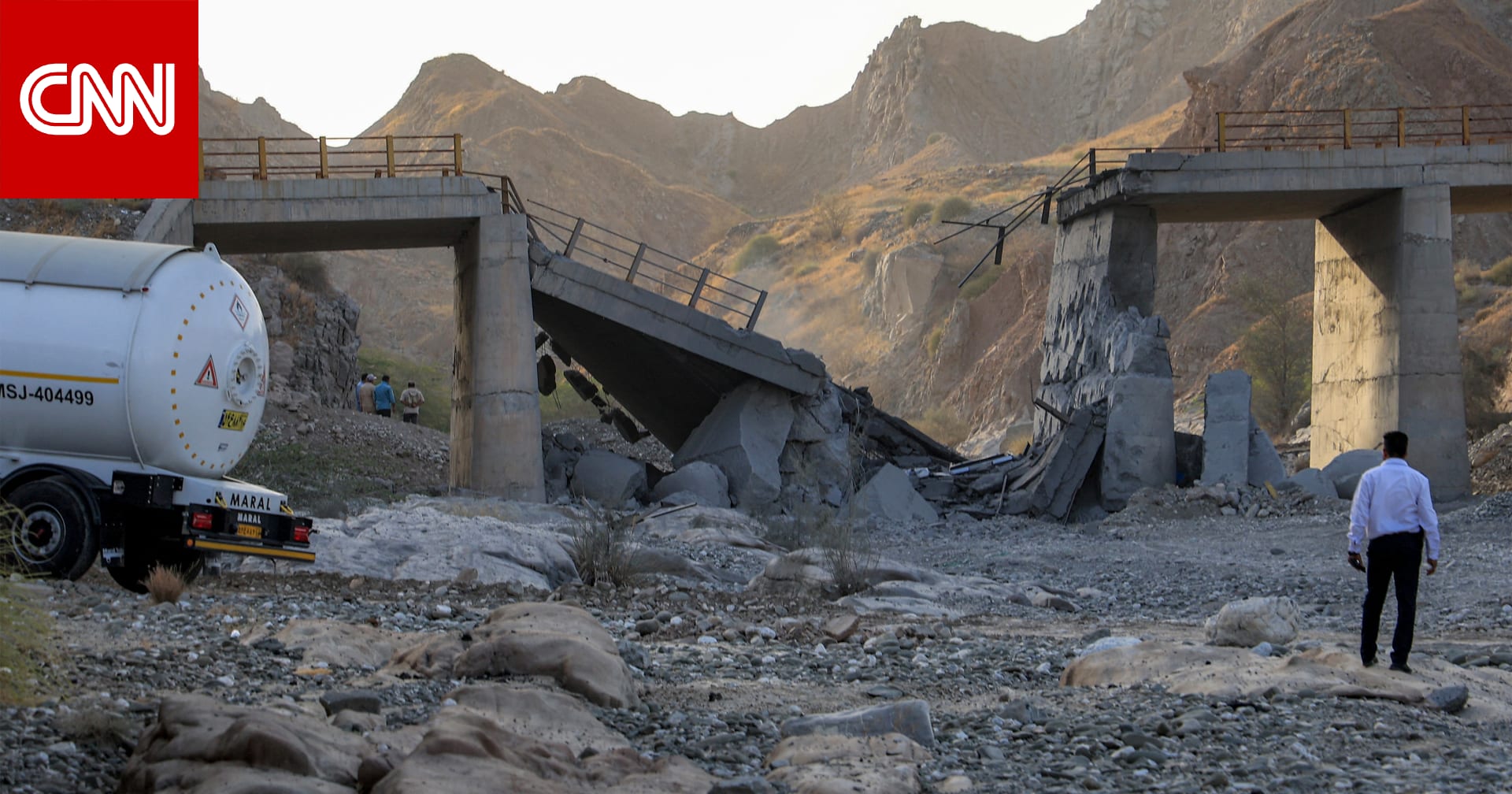
Images captured by Planet Labs and Airbus showed the reopening of tunnel entrances near the city of Kangavar in western Iran weeks after they were targeted, along with the construction of new roads and excavation work to reactivate a missile base that airstrikes had sought to disable. The newspaper also quoted an Israeli military official as saying that Iran managed to repair a bridge that was bombed in just days, while recent images showed reconstruction work at the shipyard in Bandar Anzali port, which is linked to Iran's Revolutionary Guard.
In the same context, former commander of Israel's air and missile defense system Ran Kochav noted that the speed of reconstruction reflects Iran's industrial capabilities, pointing out that Tehran had previously rebuilt large parts of its infrastructure and renewed its missile stockpile after the 12-day war last year.
Contradictions in Assessing the Military Campaign's Results
Despite the scale of severe damage, the newspaper considered that the rapid pace of construction contradicts statements by US President Donald Trump and Israeli Prime Minister Benjamin Netanyahu about inflicting severe damage on Iran's military and nuclear capabilities. Meanwhile, White House spokeswoman Anna Kelly stated that the campaign had hit a significant portion of Iran's missile and production capabilities and weakened its naval fleet, calling it a "major victory."
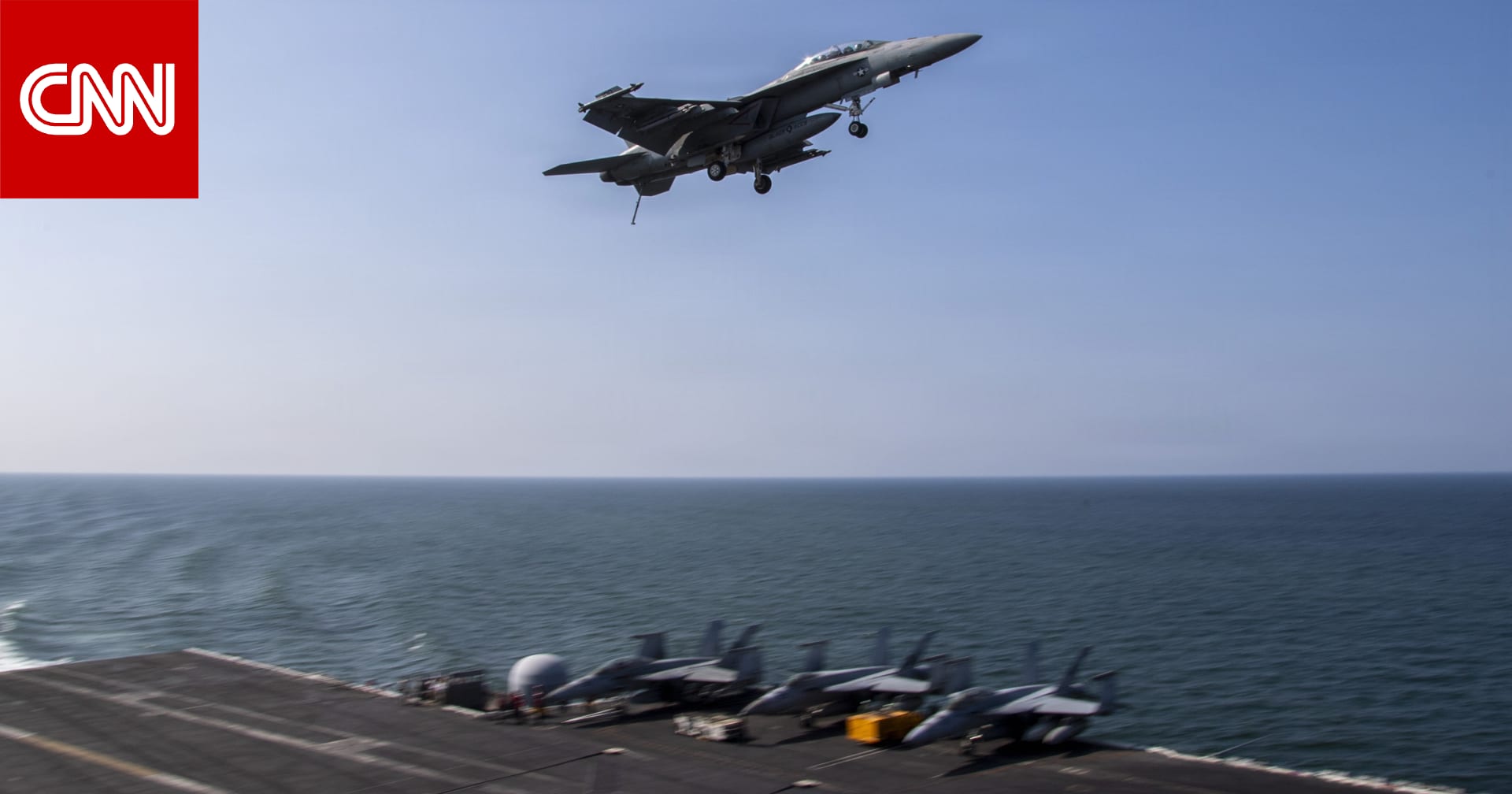
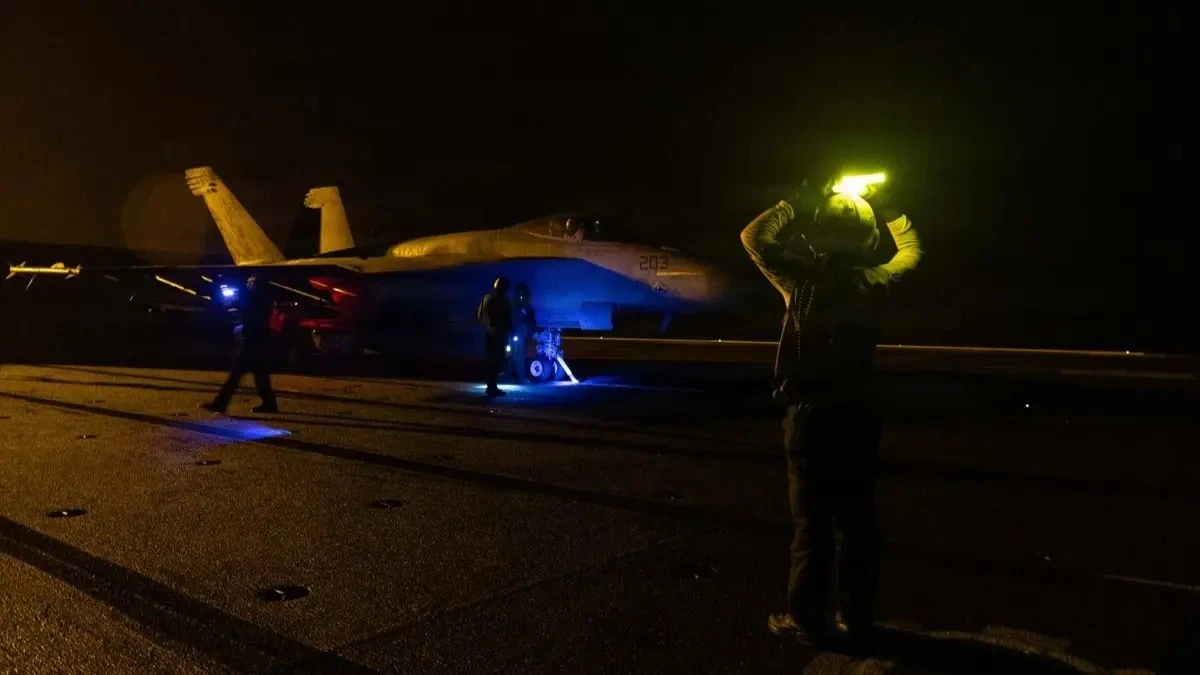
The report added that the US military continued its strikes for the twelfth consecutive day, targeting missile and drone sites, operations centers, and military infrastructure, as part of efforts to weaken Iranian influence in the Strait of Hormuz. However, the newspaper clarified that Iran continued to attack ships and launch missiles against US allies in the region.
Iran's Missile Capabilities and Future Expectations
The newspaper quoted analyst Tal Inbar as saying that reports about the depletion of Iran's missile stockpile were inaccurate, asserting that Tehran still retains effective missile capabilities. Israeli military officials also expressed frustration with the campaign's results, believing that Iran has already begun rebuilding most targeted sites and that striking tunnel entrances at missile bases did not destroy deep facilities or the weapons stored inside them.
Satellite images showed rehabilitation work at missile bases in Dezful and northern Kermanshah, as well as the reconstruction of buildings inside the Raja Shimi Industries facility near Tehran, which is believed to be involved in producing missile components.
Meanwhile, researcher at King's College London and former CIA analyst Jim Lamson noted that rebuilding some specialized facilities could take months or years, but he suggested that Iran has stored strategic components in underground facilities, allowing it to resume production of missiles and drones in the near term.
Israeli Intelligence: Iran Determined to Restore Its Capabilities
The Wall Street Journal concluded its report by noting that Israeli intelligence agencies believe Iran may have moved thousands of centrifuges into tunnels inside Mount Bikaks, which could enhance its ability to rebuild its nuclear program. The newspaper affirmed that Tehran appears determined to restore its military capabilities regardless of time or cost.
These data confirm the ongoing discrepancy between official narratives and satellite field assessments regarding the actual damage to infrastructure. Current indicators highlight Iran's ability to absorb military shocks and reactivate its facilities through underground concealment strategies. Attention remains focused on how successful these moves will be in preserving its strategic and nuclear stockpile in the long term. Observers will need to track the impact of these operations on regional power balances and the effectiveness of ongoing air operations.
Original source: Ajel.sa



Comments (0)
Be the first to comment.