10 Milestones in the 2026 World Cup
Summary: There was widespread anger over the high cost of stadium tickets compared to previous tournaments. Attendance figures showed that enough people were willing to pay.
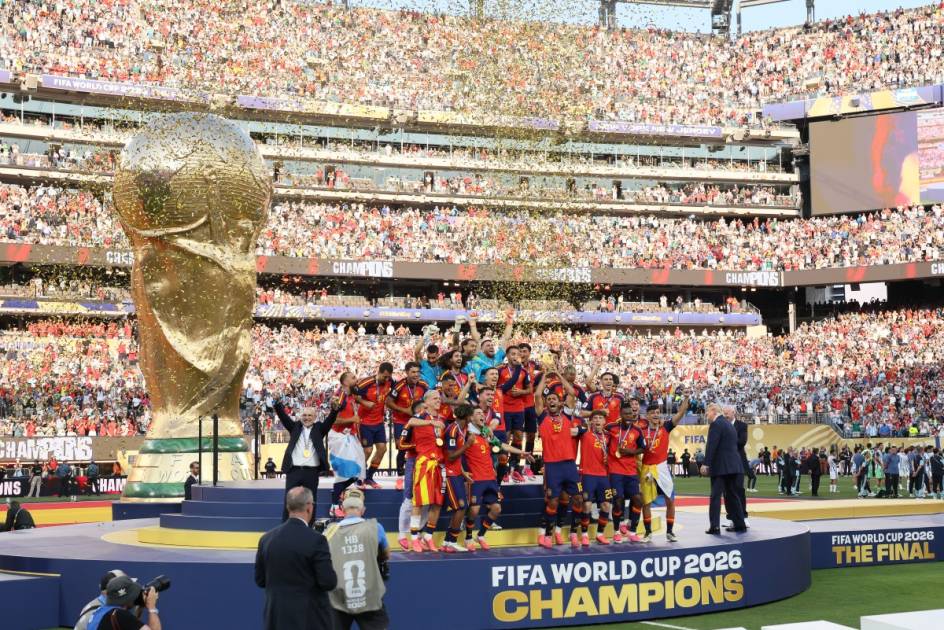
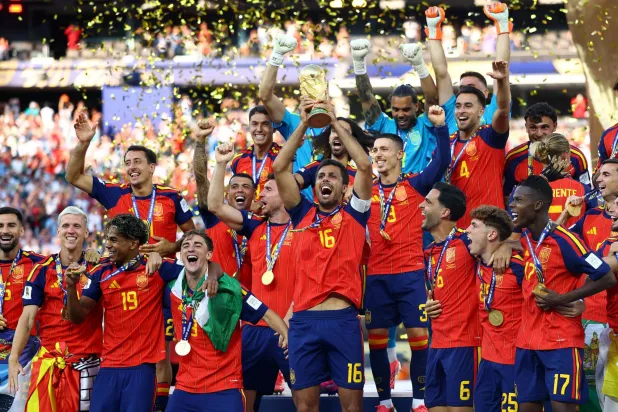
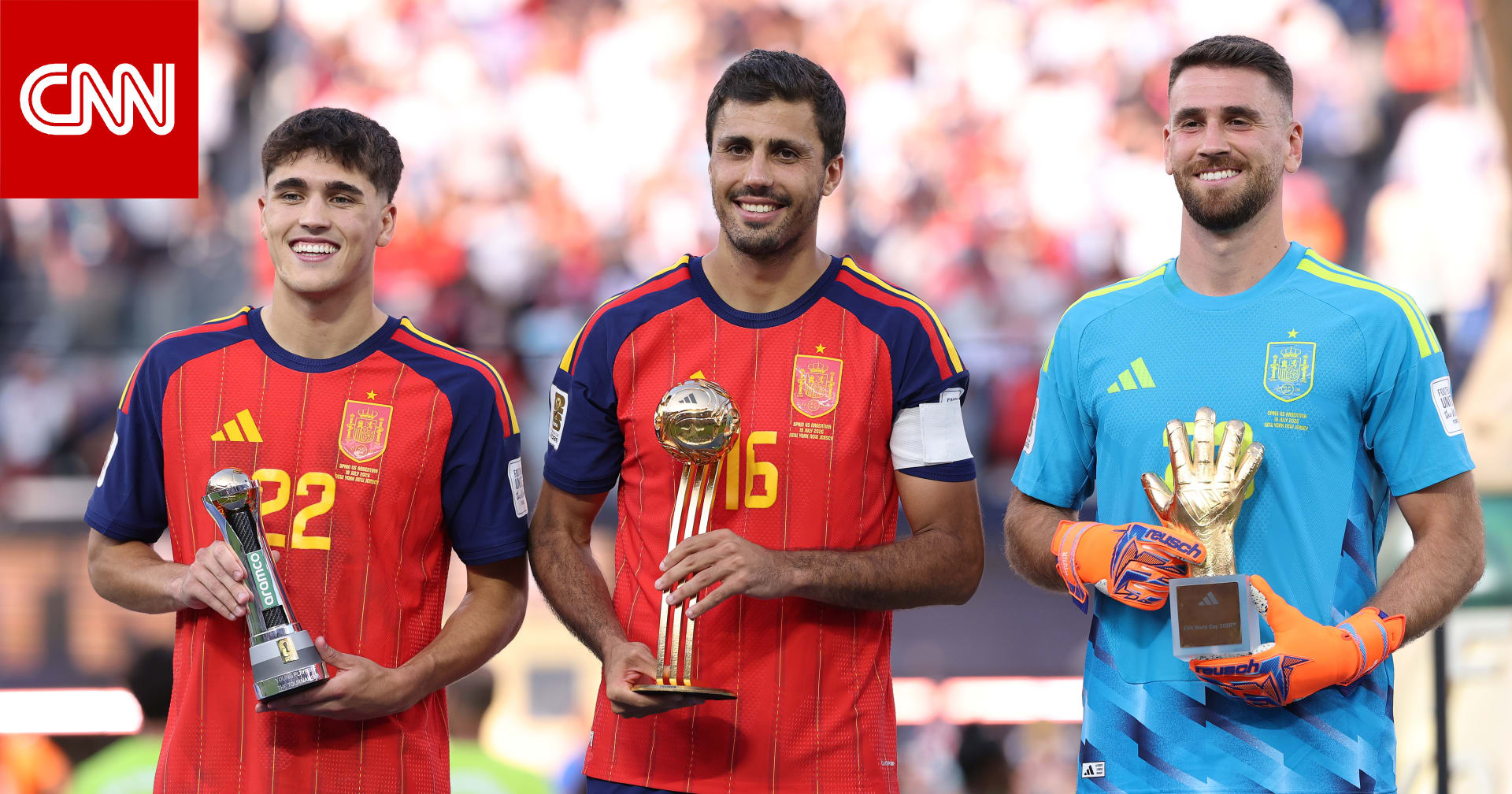
The World Cup football tournament concluded yesterday, Sunday, with Spain crowned champions after a 1-0 victory over Argentina in extra time in the final match before a huge crowd at the New York-New Jersey stadium.
After the conclusion of the largest tournament ever organized by the United States, Canada, and Mexico, some highlights of the tournament emerged. The new expanded format with 48 teams led to an increase in the number of matches and goals and more records being broken, but in the end, the usual teams dominated, as the top four teams in the FIFA rankings occupied all the semifinal spots: Argentina, Spain, France, and England.
However, the tournament saw some remarkable runs. Cape Verde won the hearts of fans as their squad, consisting of seasoned professionals and rising youngsters participating for the first time, managed to draw with Spain and Uruguay and force Argentina into extra time. Norway delighted fans with their 'Viking rowing' celebration and reached the quarterfinals for the first time in their history.
Before the tournament, concerns about visas, weapons, and lack of local interest made many fans around the world skeptical of the United States' role in hosting the tournament. But in the end, fans found a warm welcome from Americans in what became known as the 'Great American Sleepover.' Social media was filled with posts reflecting cultural interaction between Americans who celebrated the traditions of visiting fans—even playing trumpets in the morning—and Europeans discovered the joy of free soda refills.
Men's football in Canada, one of the three host nations, has long struggled to reach higher levels, but the team's advancement to the Round of 16 indicated that this situation may be changing as investment in the sport accelerates and matches attract record crowds.
In contrast, football is deeply rooted in Mexico. The stadiums were almost full to the brim and fans were ecstatic, especially when Mexico played. However, Mexico's first knockout-stage win in the World Cup in 40 years led to the deaths of four people in crowd crushes during victory celebrations, and there were few signs of long-term economic benefits.
American fans were frustrated by their team's elimination again in the Round of 16. President Donald Trump's controversial intervention regarding the suspension of the red card that the US team's top striker received in the previous match ultimately made little difference. Once the uproar subsided, one fact remained: the team's performance was in line with expectations.
Read more
Spain crowned World Cup champions for second time in history
Wildfire smoke blankets US cities ahead of World Cup final, Trump blames Canada
World Cup final puts La Liga at the pinnacle of football
England claims third place in World Cup with 6-4 victory over France
There was widespread anger over the high cost of stadium tickets compared to previous tournaments. Attendance figures showed that enough people were willing to pay, but attending the World Cup has increasingly become something only wealthy or hardcore fans can afford.
Beyond the working class, fans from countries facing visa restrictions were denied the chance to attend the World Cup. Diaspora communities abroad and supportive Americans helped partially compensate for attendance numbers.
FIFA rules prohibit any political displays in stadiums, but when such displays occurred, there was no immediate response from authorities and the match continued.
The American flavor of football—specifically the hydration breaks and the halftime show in the final match—sparked criticism in some circles. Critics said it disrupted the natural flow of the match to allow for more television commercials, but coaches used the breaks as technical opportunities. With global temperatures rising, these innovations may continue.
Original source: Independent Arabia

Comments (0)
Be the first to comment.