297 goals in 102 matches: the 2026 World Cup in numbers up to the semi-finals
The 2026 World Cup has written thrilling chapters in numbers before the curtain falls on the semi-finals; the total goals reached 297 in 102 matches, at an average of 2.91 goals per game. The tournament witnessed 21 comebacks, and 35 decisive goals from the 90th minute onwards, in addition to 8 matches decided in extra time, leaving the file wide open ahead of the final.
The tournament in numbers: 102 matches and 297 goals
The tournament drew a remarkable scoring curve through its successive rounds. In the group stage, 215 goals were scored in 72 matches at an average of 2.99 goals per match, the highest among all rounds. Then the average dropped in the Round of 32 to 2.63 goals (42 goals in 16 matches), before rising slightly in the Round of 16 to 2.88 goals (23 goals in 8 matches). The quarter-final average reached 3.00 goals (12 goals in 4 matches), while the semi-finals were the most frugal with 5 goals in two matches at an average of 2.50. These figures reveal that the knockout rounds tend to defensive tightness compared to the group stage, but the quarter-finals came as a notable exception.
Journey of goals: comebacks, last-minute goals, and exceptional numbers
Germany dominated the records for the biggest win and the highest-scoring match, when they crushed Curaçao 7-1 in the first round of the group stage. In terms of speed, Ismail Saibari scored the tournament's fastest goal in only the second minute, during the match between Scotland and Morocco.
The 297 goals were distributed across halves as follows: 124 goals in the first half, 169 goals in the second half including stoppage time, and 8 goals in extra time. The number of decisive goals from the 90th minute onwards in regular time reached 35, while 15 goals were scored from penalty kicks during play, and 14 own goals.
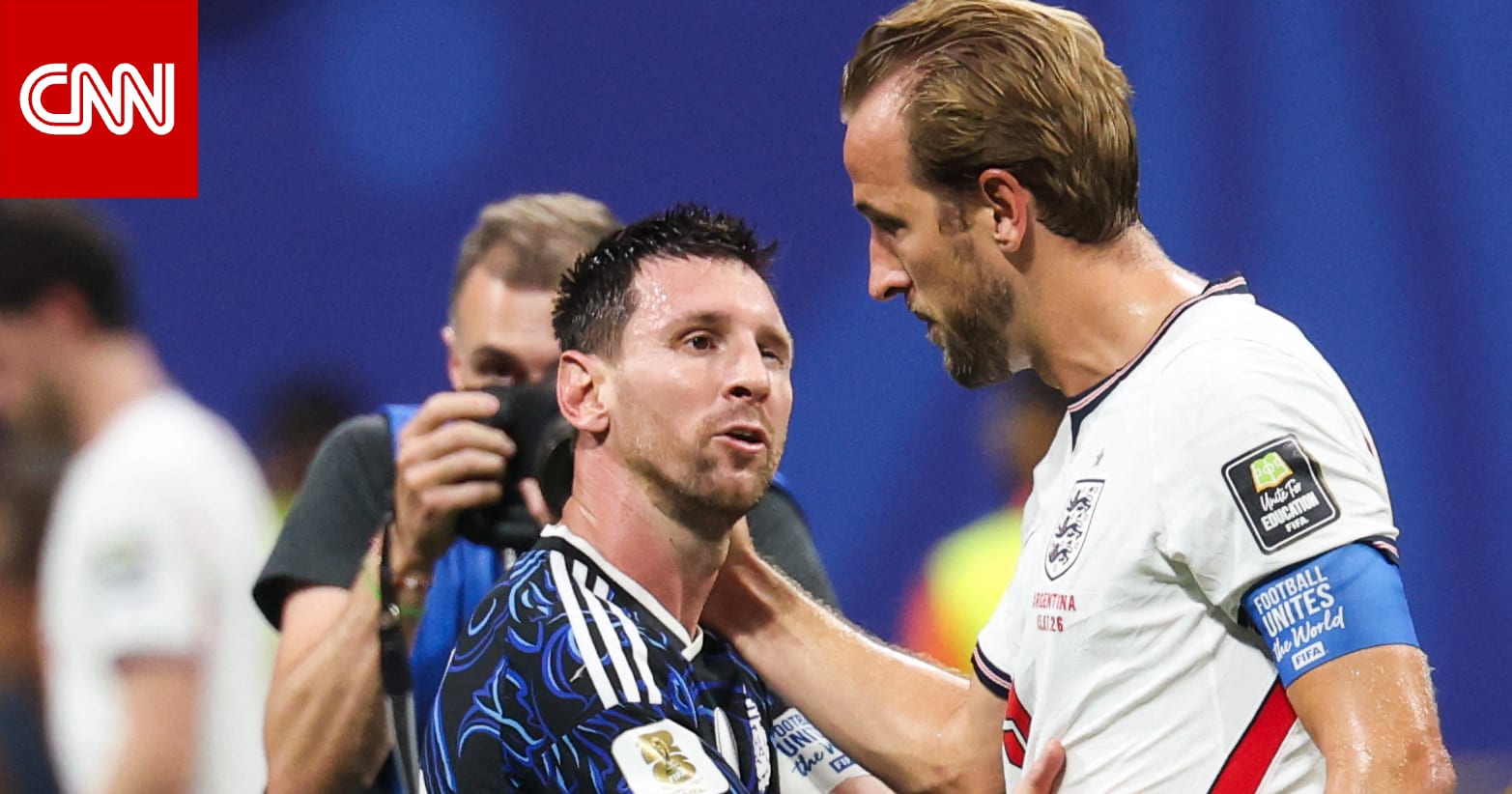
Comebacks were among the most prominent features of this edition; the tournament recorded 21 instances of winning from behind. Most notably: the United States' comeback to beat Paraguay 4-1 after trailing in the first round, Argentina's comeback to overcome Egypt 3-2 in the Round of 16, England's comeback to beat Norway 2-1 in the quarter-finals, culminating in the latest and most dramatic comeback when Argentina defeated England 2-1 in the semi-final after trailing.
Top scorers race: Messi and Mbappé lead with 8 goals each
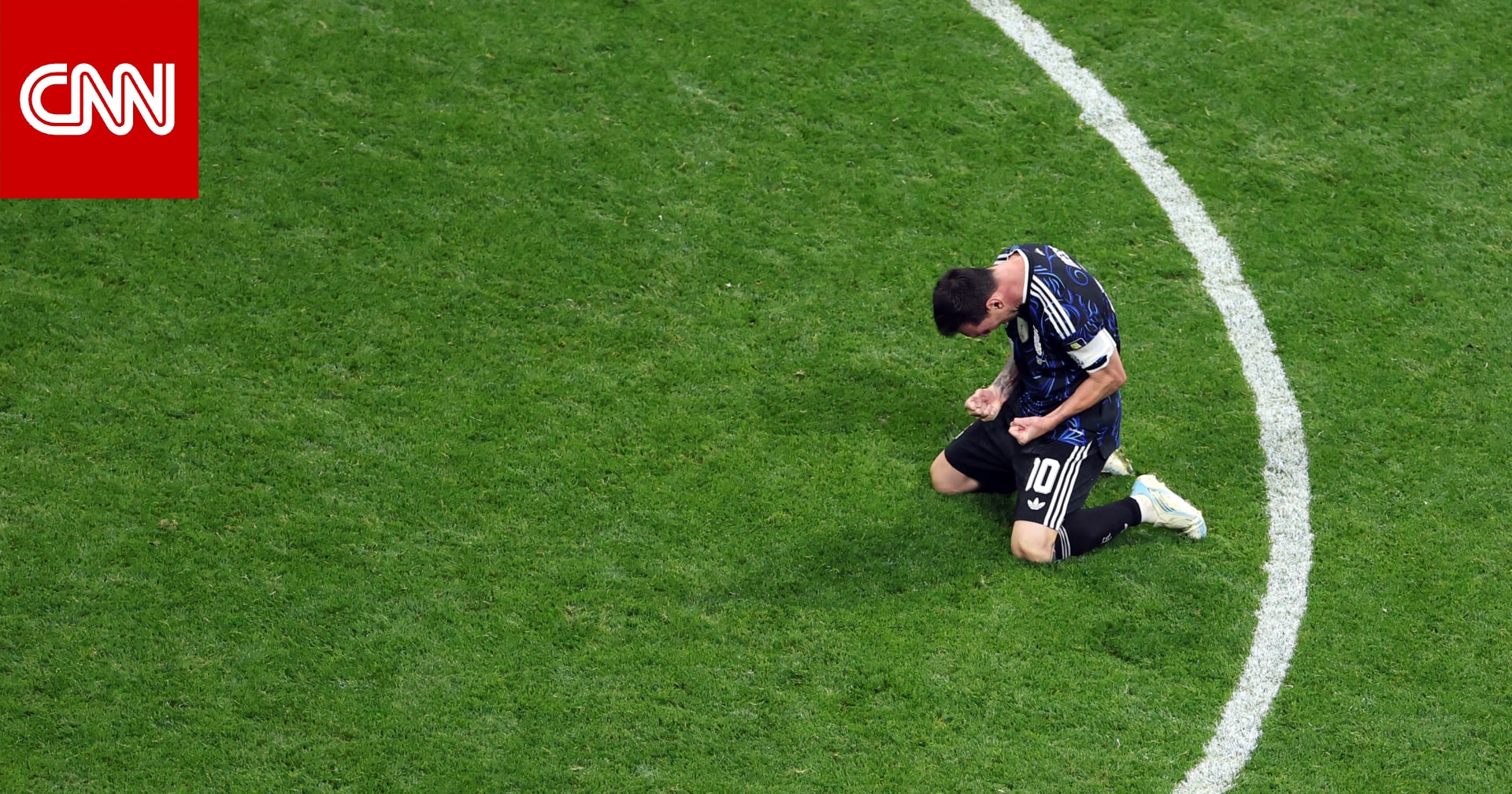
The top scorers race is jointly led by Lionel Messi (Argentina) and Kylian Mbappé (France) with 8 goals each in 7 matches. However, there is a subtle difference: Messi scored his eight goals without any penalty kicks, and added 4 assists, while Mbappé scored one penalty and provided 3 assists. Lurking behind them is Erling Haaland (Norway) with 7 goals in just 5 matches, without any penalty goals and without any assists.
In the following places, Jude Bellingham and Harry Kane (England) share fourth place with 6 goals each in 7 matches; Kane scored two penalties while Bellingham did not score any. Behind them come Ousmane Dembélé (France) and Mikel Oyarzabal (Spain) with 5 goals each, while Julián Quiñones (Mexico), Ismaïla Sarr (Senegal), and Vinícius Júnior (Brazil) share seventh place with 4 goals each.
Reading into the numbers of the semi-final teams: notable gaps
The cumulative numbers of the semi-final teams across the tournament revealed a thought-provoking picture. Spain (FIFA ranking: 2) topped the possession indicators with an average of 63.9% and passing accuracy of 89.7%, the highest passing accuracy among the four teams, while they scored 13 goals and conceded only one goal throughout their campaign. In contrast, Argentina (FIFA ranking: 1) topped the scoring list with 19 goals in 7 matches, with an average possession of 60.9% and passing accuracy of 90.4%, the highest among the four, and 44 shots on target.
As for France (FIFA ranking: 3), they scored 16 goals and conceded 4, with an average possession of 57.1%, passing accuracy of 87.9%, and 50 shots on target, the highest number, but that did not spare them from elimination against Spain with a 0-2 result. England (FIFA ranking: 4) was the most conceded with 8 goals, with possession of 54.1% and passing accuracy of 87.4%, the lowest among the four, and they suffered a 1-2 loss to Argentina despite 42 shots on target. These figures reveal that statistical dominance does not always translate into results.
Defenses and discipline: Spain fortifies its net and cards fill the records
On the offensive side, Argentina topped the list of strongest attack with 19 goals in 7 matches, followed by France with 16 goals in 7 matches, then Belgium with 14 goals in 6 matches, England with 14 goals in 7 matches, and Spain with 13 goals in 7 matches.
Defensively, Spain was the most stringent among teams that played 4 matches or more, as they conceded only one goal and kept a clean sheet in 6 matches. Colombia came second with one goal conceded and clean sheets in 4 matches, while Mexico, Australia, and Portugal shared conceding 3 goals each.
In terms of discipline, 270 yellow cards and 14 red cards were distributed over 102 matches. The match between Mexico and South Africa was the most eventful disciplinarily, as it witnessed 3 red cards in one match. The 14 red cards were spread across various rounds, from the group stage to the quarter-finals.
Towards the final: figures whet the appetite
The tournament stands on the threshold of its grand final between Spain and Argentina, and the cumulative numbers have drawn a clear picture of two teams with different philosophies: Spain, the most defensively disciplined and highest in possession, and Argentina, the most prolific in scoring and highest in passing accuracy. 297 goals in 102 matches, 35 decisive goals, and 21 comebacks—all numbers promise the fans that the final chapter will be no less exciting than what preceded it.
Follow the 2026 World Cup coverage moment by moment — results, match schedule, and group standings on Sabq.
Original source: Sabq


Comments (0)
Be the first to comment.