308 Goals and a Tale of a Tournament: The 2026 World Cup in Full Numbers
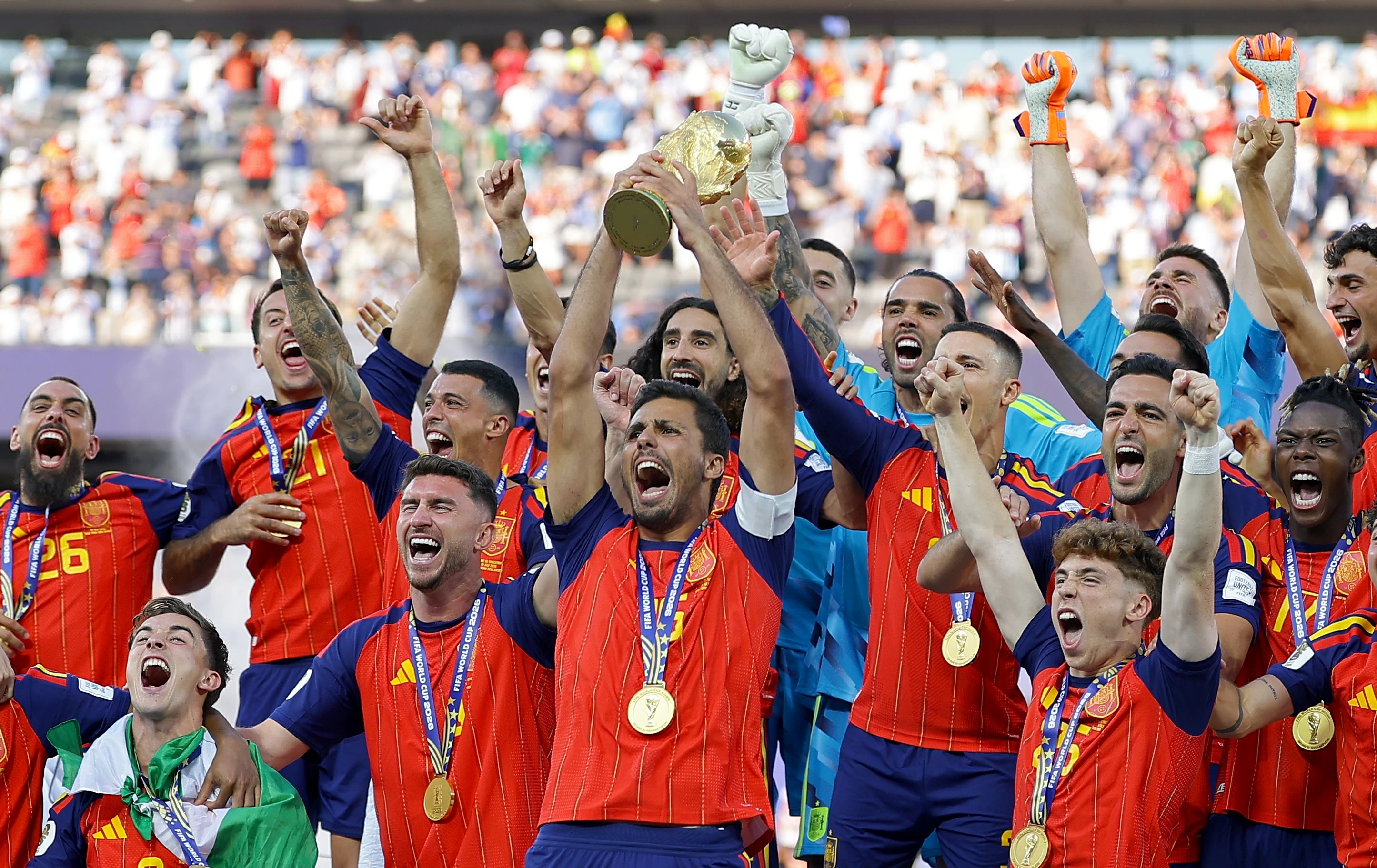
The 2026 World Cup has drawn to a close on an exceptional edition by all measures, with 104 matches producing 308 goals at an average of 2.96 goals per game, in a journey stretching from the opening match to the final, which saw Spain crowned champions after a hard-fought 1-0 extra-time victory over Argentina. It was a tournament of comebacks, surprises, and records, and at the same time a lesson in defensive resilience and offensive explosion in decisive moments.
The tournament in numbers: 104 matches and 308 goals across 6 rounds.
The tournament painted a varied scoring map across its six rounds. The group stage kicked off at the highest pace, with a scoring rate of 2.99 goals in 72 matches that saw 215 goals. The rate then dropped in the round of 32 to 2.63 goals in 16 matches yielding 42 goals, the lowest rate in the knockout stages. The rate rose again in the round of 16 to 2.88 in 8 matches for a total of 23 goals, then the quarter-finals hit an ideal rate of 3.00 in 4 matches for a total of 12 goals. In the semi-finals, the rate fell to 2.50 in two matches with a total of 5 goals. The big surprise came in the final and third-place matches, which together scored 11 goals at an exceptional rate of 5.50, the highest in the tournament by a wide margin. Nine matches were decided after extra time, four of which went to a penalty shootout.
The goal journey: from the 2nd minute to 37 late goals.
Morocco's Ismail Sabari scored the fastest goal of the tournament when he found the net in just the 2nd minute of the match between Scotland and Morocco, while Germany recorded the biggest win of the tournament by thrashing Curaçao 7-1 in the first round. The third-place match between France and England was the highest-scoring, with a total of 10 goals ending in a 6-4 win for England.
The distribution of goals across halves showed a clear dominance of the second half and its stoppage time, with 175 goals scored compared to 128 in the first half, while extra time added 9 goals. Perhaps the most notable figure in this context is the late goals scored from the 90th minute onward in regular time, amounting to 37 goals, reflecting the level of excitement and thrill experienced by spectators. The tournament also saw 16 goals from penalty kicks during play and 14 own goals.
Comebacks were a striking feature of the tournament, with 21 instances of coming from behind to win. Among the most notable: Argentina's comeback to beat Egypt 3-2 in the round of 16, England's comeback to overcome Norway 2-1 in the quarter-finals, and Argentina's comeback again to defeat England 2-1 in the semi-finals. Also, Morocco's comeback from a draw to eliminate the Netherlands 3-2 on penalties in the round of 32 was one of the tournament's standout moments.
The race for the golden boot: Mbappé tops with 10 goals, Messi in pursuit.
Kylian Mbappé topped the scoring charts with 10 goals in 8 matches, scoring one from a penalty and adding 4 assists. Lionel Messi came second with 8 goals in 7 matches, none from penalties, with 4 assists. Third place was shared by Jude Bellingham and Erling Haaland with 7 goals each, but Bellingham played 8 matches while Haaland played only 5, and both scored without relying on penalties, with Bellingham providing one assist to Haaland's none.
In the following positions, Ousmane Dembélé and Harry Kane each scored 6 goals, with Kane scoring two penalties in 7 matches compared to none for Dembélé in 8 matches. Spain's Mikel Oyarzabal scored 5 goals in 7 matches, one from a penalty and one assist. Julián Quiñónez, Ismaïla Sarr, and Vinícius Júnior shared eighth place with 4 goals each.
A look at the finalists' numbers: Goal gap and Argentina's passing superiority.
The numbers of the two finalists painted a thought-provoking picture. Spain, ranked second in the world, scored 14 goals and conceded just one throughout the tournament in 8 matches, with an average possession of 64.0%, passing accuracy of 89.7%, and 54 shots on target, and maintained perfect discipline with 6 yellow cards and no reds. In contrast, Argentina, ranked first in the world, delivered a more prolific attacking performance with 19 goals in 8 matches, though they conceded 8. Their passing accuracy was higher at 90.4% despite lower possession at 57.6%, and they recorded 44 shots on target. The striking paradox is that Argentina, who scored 5 more goals than Spain and showed higher passing accuracy, lost the final by a single goal in extra time, illustrating the fine line between statistics and results in football.
Defenses and discipline: Spain fortify their net, 14 red cards color the tournament.
Spain dominated the list of strongest defenses by a wide margin, conceding just one goal in 8 matches with 7 clean sheets, an exceptional record by all measures. Colombia came second, also conceding one goal but in 4 matches with 4 clean sheets, while Mexico, Australia, and Portugal shared third place, each conceding 3 goals. On the attacking front, France and England shared the lead for strongest attack with 20 goals each in 8 matches, followed by Argentina with 19, then Spain and Belgium with 14 each.
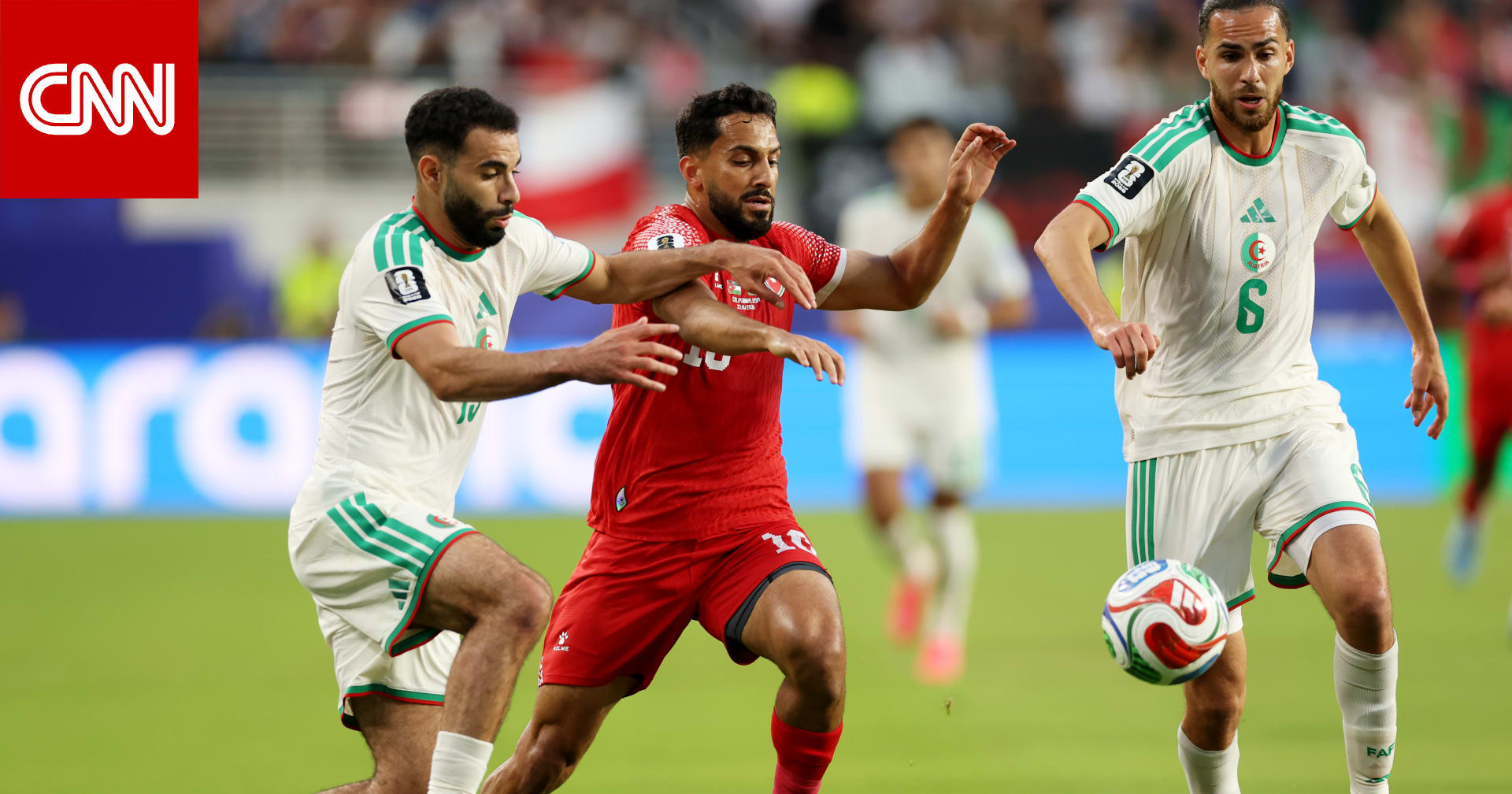
In terms of discipline, 271 yellow cards and 14 red cards were distributed throughout the tournament. The match between Mexico and South Africa in the first round was the most ill-disciplined, seeing 3 red cards: two for South Africa to Sihebelelo Sithole in the 49th minute and Thembavani Zuma in the 84th, and one for Mexico to César Montes in the 90+2nd minute. The match between Canada and Qatar in the second round also saw two red cards for Qatar, to Homam Al-Amin in the 33rd minute and Asim Madibo in the 53rd.
Conclusion: The numbers tell the story, and fans await more.
The numbers of the 2026 World Cup as a whole paint a picture of an exceptional tournament combining excitement, competitiveness, and surprises. 308 goals in 104 matches, 37 late goals, 21 comebacks, and 14 red cards are all indicators of a tournament that gave no one peace of mind until the final whistle. The numbers have proven that statistical superiority does not always guarantee the title, and that football remains, in the end, a game of decisive moments shaped by will before statistics.
Follow the 2026 World Cup coverage moment by moment — results, match schedule, and group standings on Sabq.
Original source: Sabq


Comments (0)
Be the first to comment.