Sports / 2026 World Cup: Clash of Generations and Birth of a New Era of Stars
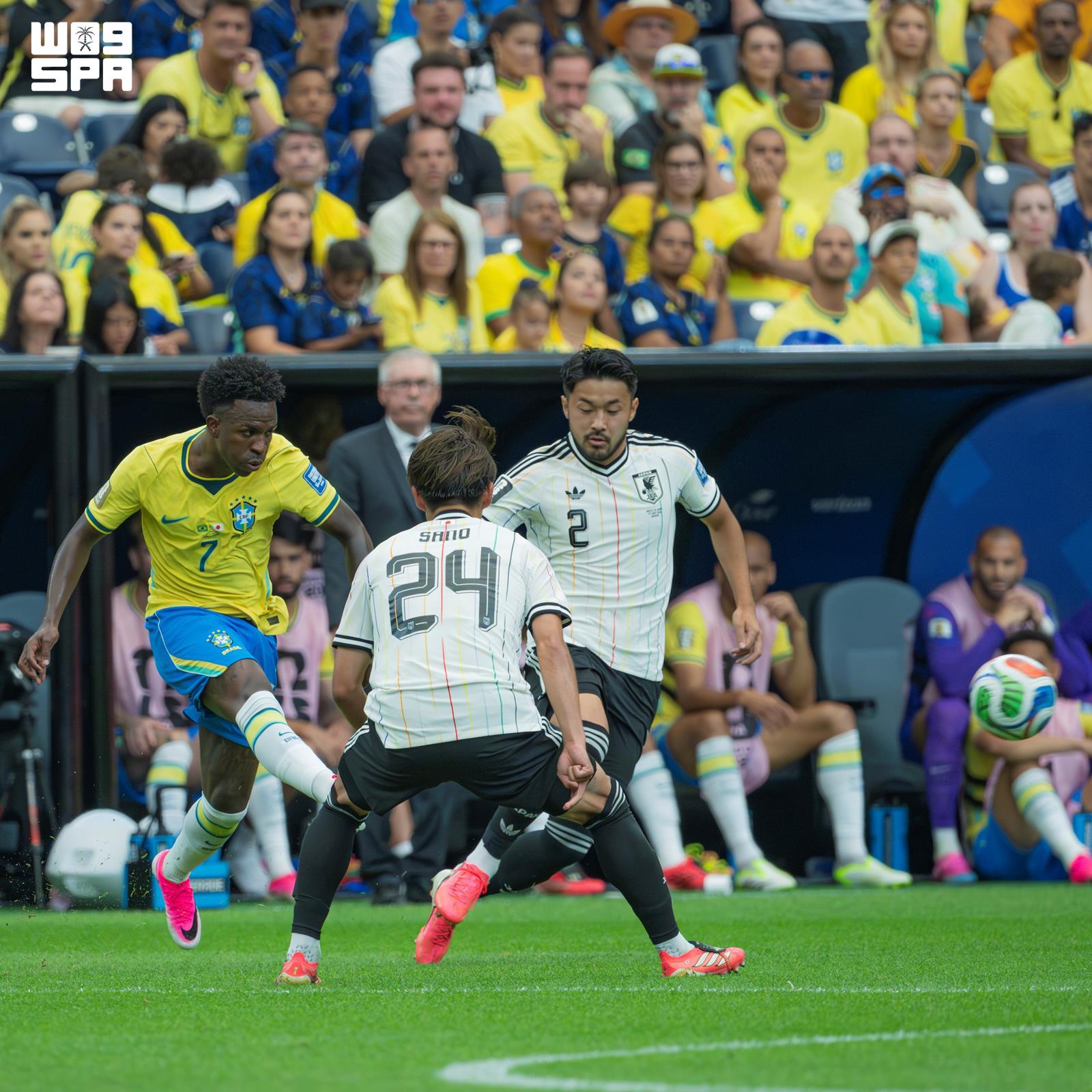
Riyadh, July 11, 2026, SPA -- The 2026 World Cup establishes itself as one of the most exceptional editions in the tournament's history, not only because it is the largest in terms of participating teams, but also because it embodies a transitional phase in global football, where the end of an era shaped by prominent names intersects with the beginning of a new era led by young talents aspiring to reach the top of the football scene. While fans await the decisive stage matches, attention turns to Argentine captain Lionel Messi, who continues his journey in the tournament after cementing his status as one of the greatest players in World Cup history, in an edition that may mark his final appearance on the global stage, following a career spanning more than two decades, full of achievements, records, and moments etched in the memory of football fans. On the other side, the Portuguese team exited the tournament in the Round of 16, ending captain Cristiano Ronaldo's participation in his final World Cup after six appearances. Ronaldo had confirmed during the press conference before the match against Spain that the 2026 edition would be his last in the tournament, without officially announcing his retirement from international play. The scene is not limited to Messi and Ronaldo but extends to a group of stars approaching the end of their international careers, having long been the face of global football and contributed to historic competitions, records, and achievements that will remain part of World Cup memory. In contrast, the tournament appears to be a platform for the emergence of a new phase led by several new-generation stars, spearheaded by Spain's Lamine Yamal, France's Kylian Mbappe, England's Jude Bellingham, Brazil's Vinicius Junior, and Norway's Erling Haaland, along with rising talents who have delivered impressive performances and shown the ability to handle pressure and compete in the biggest football arenas. The tournament's proceedings have shown several major teams relying on young players with speed, skill, and leadership qualities, reflecting the evolution of the game and the accelerating pace of generational renewal within national teams. The World Cup serves as a stage for the rise of great stars and their transformation into immortal names in the history of the game; from its pitches emerged legends like Pelé, Diego Maradona, Zinedine Zidane, Ronaldo, and Messi, while the 2026 edition is poised to introduce new names seeking to write their stories and add their names to the tournament's record. The new World Cup system, with 48 teams, also provides a broader opportunity for diverse football schools and talents from different continents to emerge, adding more competitiveness to the tournament with expanded chances for new teams and names beyond the traditional favorites. Between the nearing end of several top stars' international careers and the ambitions held by the future generation, the 2026 edition reflects the passing of the torch between a generation that shaped a significant part of modern football history and another ready to write a new chapter in the sport's journey. // End // 20:58 T M 0088
Riyadh, July 11, 2026, SPA -- The 2026 World Cup establishes itself as one of the most exceptional editions in the tournament's history, not only because it is the largest in terms of participating teams, but also because it embodies a transitional phase in global football, where the end of an era shaped by prominent names intersects with the beginning of a new era led by young talents aspiring to reach the top of the football scene. While fans await the decisive stage matches, attention turns to Argentine captain Lionel Messi, who continues his journey in the tournament after cementing his status as one of the greatest players in World Cup history, in an edition that may mark his final appearance on the global stage, following a career spanning more than two decades, full of achievements, records, and moments etched in the memory of football fans. On the other side, the Portuguese team exited the tournament in the Round of 16, ending captain Cristiano Ronaldo's participation in his final World Cup after six appearances. Ronaldo had confirmed during the press conference before the match against Spain that the 2026 edition would be his last in the tournament, without officially announcing his retirement from international play. The scene is not limited to Messi and Ronaldo but extends to a group of stars approaching the end of their international careers, having long been the face of global football and contributed to historic competitions, records, and achievements that will remain part of World Cup memory. In contrast, the tournament appears to be a platform for the emergence of a new phase led by several new-generation stars, spearheaded by Spain's Lamine Yamal, France's Kylian Mbappe, England's Jude Bellingham, Brazil's Vinicius Junior, and Norway's Erling Haaland, along with rising talents who have delivered impressive performances and shown the ability to handle pressure and compete in the biggest football arenas. The tournament's proceedings have shown several major teams relying on young players with speed, skill, and leadership qualities, reflecting the evolution of the game and the accelerating pace of generational renewal within national teams. The World Cup serves as a stage for the rise of great stars and their transformation into immortal names in the history of the game; from its pitches emerged legends like Pelé, Diego Maradona, Zinedine Zidane, Ronaldo, and Messi, while the 2026 edition is poised to introduce new names seeking to write their stories and add their names to the tournament's record. The new World Cup system, with 48 teams, also provides a broader opportunity for diverse football schools and talents from different continents to emerge, adding more competitiveness to the tournament with expanded chances for new teams and names beyond the traditional favorites. Between the nearing end of several top stars' international careers and the ambitions held by the future generation, the 2026 edition reflects the passing of the torch between a generation that shaped a significant part of modern football history and another ready to write a new chapter in the sport's journey. // End // 20:58 T M 0088
Original source: SPA


Comments (0)
Be the first to comment.