Bidding Farewell to a Strange World Cup - Ahmed Al-Asmari

أسدل الستار على أضخم نسخة في تاريخ كأس العالم، بتتويج إسبانيا بعد أداء ساحق في النهائي. ودع ليونيل ميسي البطولة بدموع، وشهد المونديال جدلاً تحكيمياً وأبعاداً سياسية، فضلاً عن حضور عربي قياسي ومفاجأة الرأس الأخضر.
The largest World Cup in history ended with a scene unfamiliar in modern finals: a one-sided match, with a champion dictating the tempo to the extent that its opponent seemed incapable of executing an attack or a real shot throughout its four periods.
Spain needed extra time to score, but did not need to argue to prove they were more deserving. An organized and flexible team that knows how to possess the ball and recover it quickly, they subdued their opponents one after another, before delivering their best performances against stubborn France and then defending champion Argentina.
The Spaniards took the cup, and monopolized three of the individual awards: the Golden Ball, the Golden Glove, and the Best Young Player. The Golden Boot went to Kylian Mbappé with ten goals, after he also snatched the all-time World Cup top scorer spot from Messi.
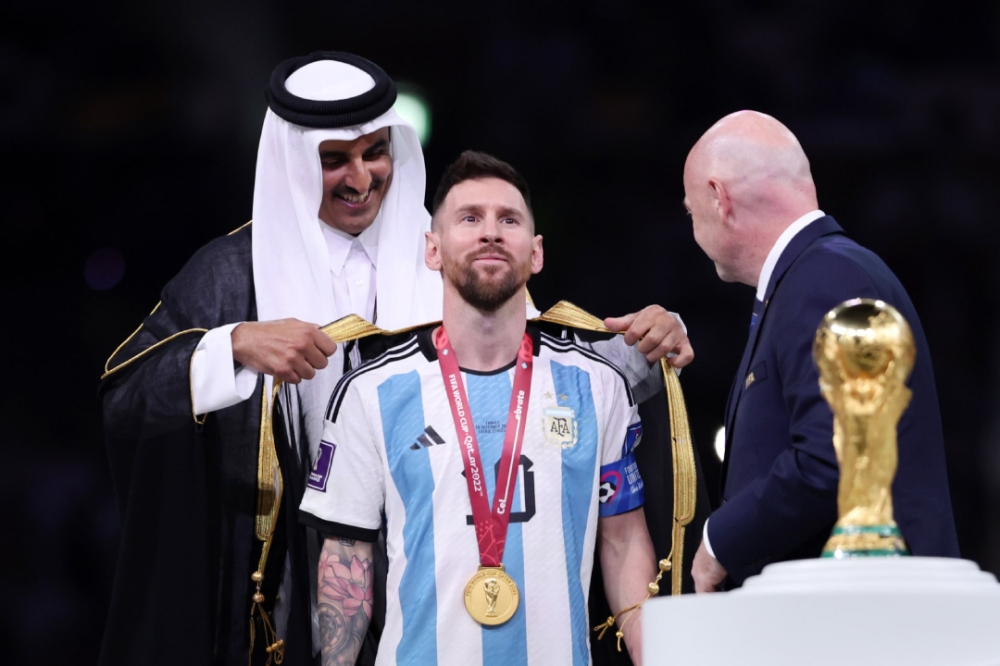
And thus the World Cup wrote the final line in Lionel's long journey: hot tears, a disappointing loss, numbers that slipped away, and heavy accusations of favoritism toward Argentina on its way to the final.
Messi bid farewell to the cup in front of Lamine Yamal, the boy of Moroccan roots, whom the Blaugrana bathed as a baby during a charity photo shoot nineteen years ago, as if the old photos were recording, unknowingly, the moment of passing the torch of the future.
And Spain has another merit in the Arab conscience. It is a country that recognized Palestine, and its Prime Minister Pedro Sánchez was the clearest voice among major European leaders in criticizing Israeli attacks. On the opposing side stood President Javier Milei, a close friend of Netanyahu who personally emphasized his support for Argentina, while Itamar Ben-Gvir was praying for its victory. Therefore, many Arabs felt that Spain's victory was a justice that transcends the green rectangle.
But this edition will also remain a World Cup in which FIFA harmed itself. The controversial VAR and refereeing decisions, suspicion of interference, the red card scandal for American player Folarin Balogun, and the commercial hydration breaks, brought back to memory a dark era that everyone thought Infantino, heir to Blatter's legacy, had come to erase.
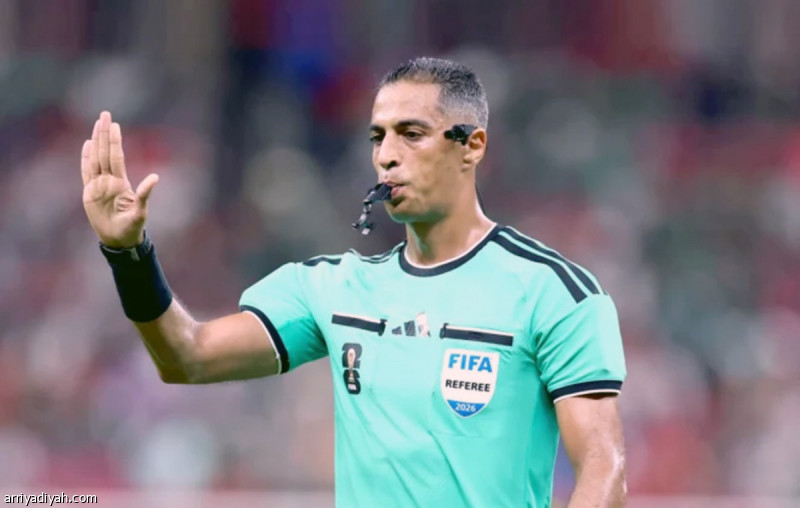
As for America, it made visas, entry procedures, and inspections part of the tournament's troubled image. Somali referee Omar Abdulkadir Artan was prevented from entering the country, thus missing his chance to become the first Somali referee to participate in the World Cup. Meanwhile, Iraqi striker Aymen Hussein was stopped at Chicago airport and subjected to nearly seven hours of interrogation, and the team's photographer was prevented from crossing. Then the Iranian delegation faced restrictions on entry and movement, prompting its federation to file a complaint with FIFA, and visa problems extended to fans and workers from Morocco, Egypt, Jordan, Iraq, and other countries. In addition, complaints about excessive inspection procedures, transportation difficulties, and high ticket and service prices were frequent.
On the Arab front, participation was record-breaking with eight teams, but the outcome was below expectations. The Moroccan and Egyptian teams were the exceptions: the Atlas Lions reached the quarter-finals and Bono rediscovered his heroics against the Netherlands, while the Pharaohs presented a team from the heart of the people, with Hossam Hassan and a national staff speaking the language of the 'oppressed', leading a team that deserved a longer journey before their controversial exit against Argentina.
The World Cup pages cannot be turned without passing by the Cape Verde team, the surprise of the edition. In their first participation, they reached the knockout stages undefeated in the group stage, after starting their journey with a historic draw against champions Spain, and in the Round of 32 they stood as a rival to runners-up Argentina, forcing them into extra time before departing with honor. A team belonging to a small country in size and population, but it appeared large in its courage and organization, proving that the World Cup still creates inspiring stories.
Despite the pain of early exit, Saudi Arabia had a bright presence: Mohammed Al-Owais bravely saving against Uruguay, Aramco as a global FIFA partner, and Yasir Al-Rumayyan prominently present in the award ceremonies.
Moreover, the Saudi national team remains the only Arab team to have won a colored medal in FIFA men's senior national team tournaments throughout history, since they won the silver medal in the Confederation Cup (King Fahd Cup) in 1992. An achievement that placed the name of Saudi football in a global record that no Arab team has been able to share to this day, and a glorious page in our sports history, awaiting a new generation to write other pages alongside it.
Economy of Saudi Arabia
Other articles by the author
Ghassan Kanafani... Palestine that he wrote and Ghada that he loved
‘Dakota’ Abdulaziz... The journey of ambition that still soars
The Saudi child and the precious achievement... How do we tell him his country’s history?
Bono guards the dream... and the Atlas Lions chase what’s beyond 2022
What have we prepared for this occasion?
Original source: Al-Jazirah



Comments (0)
Be the first to comment.