Led by Márquez, Mexico seeks turning point with promising generation
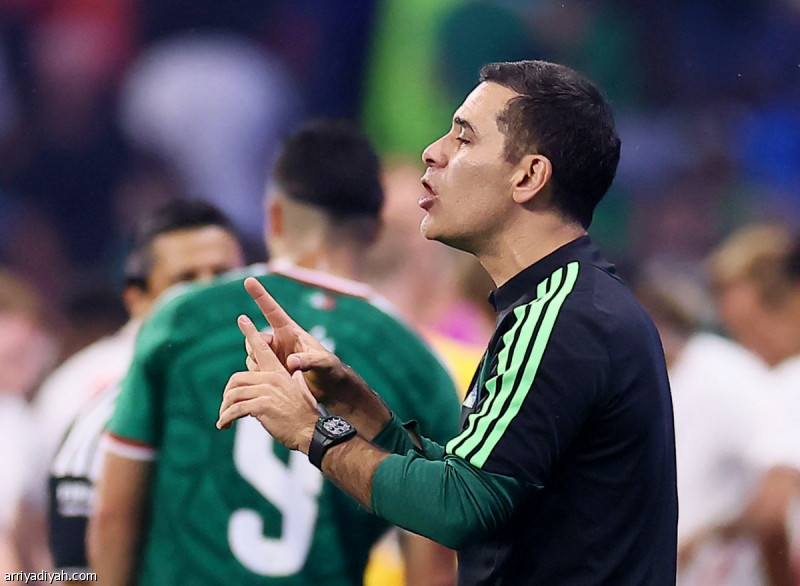
Mexico's first football team's World Cup participation ended in a painful loss to England on Monday, but after a performance that exceeded expectations in the tournament, restored confidence, and revealed a promising new generation, leaving new coach Rafael Márquez with the task of proving that one unforgettable tournament can become a launchpad for lasting progress. The 3-2 loss to England in the round of 16 denied the team from reaching the quarterfinals for the first time since 1986, yet it leaves the tournament, which Mexico co-hosted alongside the United States and Canada, in a completely different position from when it started.
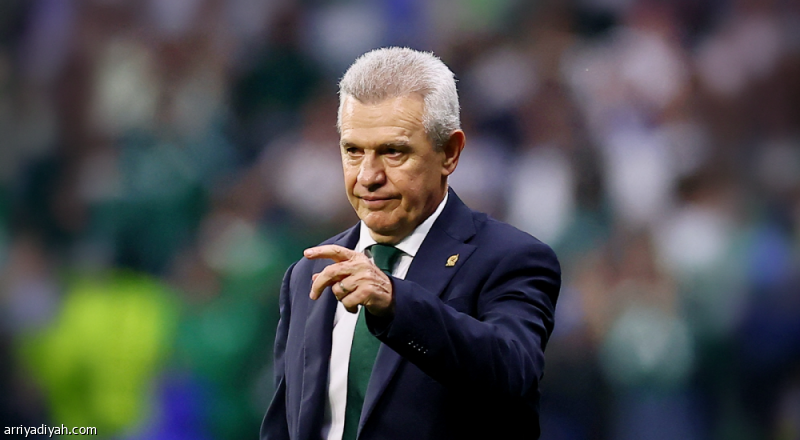
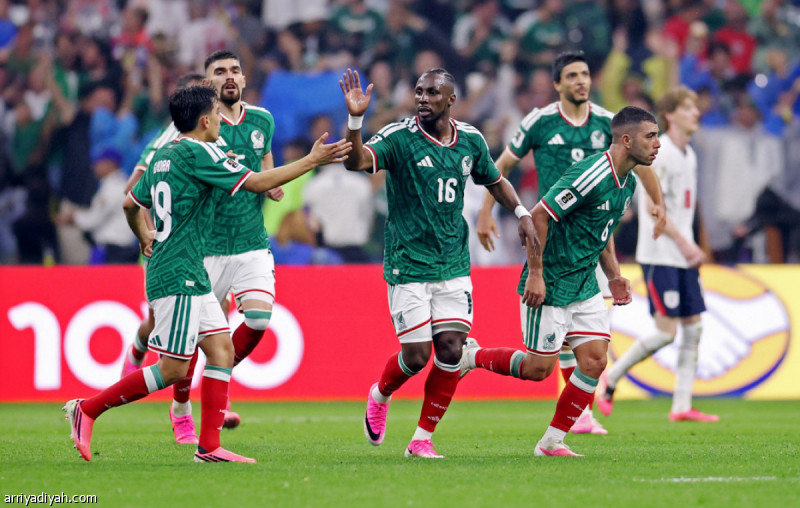
Mexico's first football team's World Cup participation ended in a painful loss to England on Monday, but after a performance that exceeded expectations in the tournament, restored confidence, and revealed a promising new generation, leaving new coach Rafael Márquez with the task of proving that one unforgettable tournament can become a launchpad for lasting progress. The 3-2 loss to England in the round of 16 denied the team from reaching the quarterfinals for the first time since 1986, yet it leaves the tournament, which Mexico co-hosted alongside the United States and Canada, in a completely different position from when it started. After years of criticism due to lackluster performances and a series of disappointing World Cup appearances, Javier Aguirre's players won four consecutive matches without conceding a goal, topping Group 1. They also ended a 40-year wait for a knockout stage win at the World Cup and restored optimism about the team's future before narrowly losing to one of the tournament favorites in a dramatic match. The question that will determine the course of the next four years is whether that winning streak was the start of a true revival or just an exceptional month fueled by home crowd support. Márquez, 47, one of Mexico's greatest players who participated in five World Cups, will try to answer that question. In 2024, when Aguirre returned for a third stint, the federation announced that Márquez would serve as his assistant before leading the team at the 2030 World Cup. Aguirre told journalists, after confirming he would hand over coaching duties following the loss to England, 'I know for certain that this was my last match as Mexico coach. You have to step aside so that the good generation can come, which is Rafa and his team.' The 67-year-old coach expressed confidence in the squad that Márquez, the central defender who shone for Barcelona from 2003 to 2010, will inherit. Aguirre said, 'I hugged Rafa tightly because he will continue this mission. We have four very promising years ahead because there is a solid foundation.' Perhaps Mexico's greatest success was not just its results but the emergence of players expected to form the core of the team in the future. Gilberto Mora, 17, was one of the standout rising players in the tournament, showing composure well beyond his years and becoming the youngest player to start a World Cup match since Brazil's Pelé, who was 17 in 1958. Midfielder Érik Lira proved to be one of the most consistent performers, Roberto Alvarado delivered one of his best international displays, and goalkeeper Raúl Rangel eased concerns about the future of the goalkeeping position after the retirement of Guillermo Ochoa, who was in the squad but did not play a minute. Defenders César Montes and Johan Vásquez solidified their places in a backline that kept clean sheets in four consecutive matches before England finally breached it. The young players were supported by experienced leaders who rediscovered their best form when Mexico needed them most. Raúl Jiménez returned to his previous level with crucial goals and influential performances, while Julián Quiñones established himself as a focal point of the attack and became joint-top scorer for Mexico in World Cup history. The challenge awaiting Márquez will be entirely different from that faced by Aguirre, as he must prove that those performances were not merely a product of Mexico's home advantage. Whatever the answer, Mexico leaves the 2026 World Cup with something it has not achieved in many years: a genuine belief that its future may be brighter than its past.
Original source: Arriyadiyah



Comments (0)
Be the first to comment.