The World Cup with a Spanish Flavor
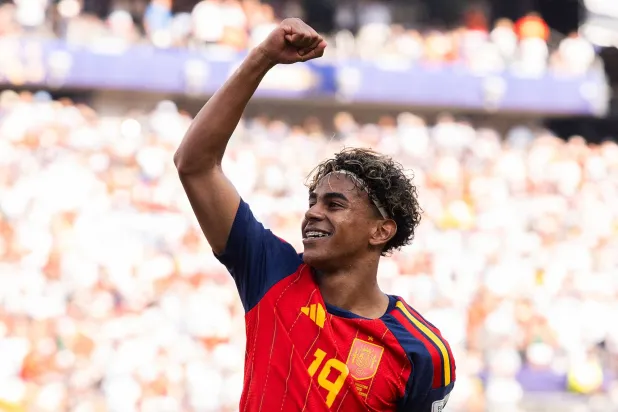
In some tournaments, the value of the title is not only in the final match but in the way the champion progresses from one game to another and how it imposes its presence even when it does not play the most beautiful football, and that is what Spain did in the 2026 World Cup.
Spain did not win the title because it was the most dazzling team, but because it was the most clear in its philosophy. Every time its opponent tried to impose its rhythm, Spain found the appropriate way to bring the match back to the path it wanted. It did not always dominate in the way that possession enthusiasts talk about, but it knew how to control the details of the match.
The Spanish team did not produce the football that some might expect from a world champion, but it produced mature football, and that is an important point. Winning tournaments does not always require a team that everyone applauds, but a team that knows how to come out of difficult matches with the result it wants, and here exactly Spain was different from the rest of the teams.
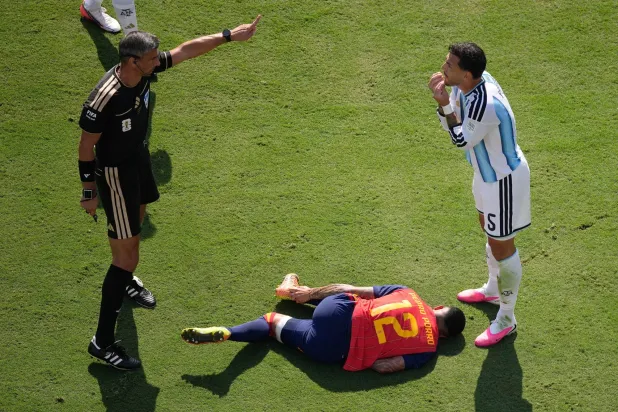
Another truth that must be mentioned is that the 2026 World Cup was not a perfect edition; it was perhaps the worst in terms of refereeing among modern editions of the tournament. The abundance of controversy over decisions, the disparity in interpreting situations, and the involvement of VAR in many details made refereeing a part of the tournament's story more than it should be.
Refereeing in football should help the match continue, not become one of its main headlines. In the World Cup, more than one match saw the discussion after the final whistle revolve around refereeing decisions rather than tactics and players. This is a problem that concerns not only the referee but also the image of the tournament itself, because the World Cup is supposed to leave in the fan's memory great football moments, not a series of question marks about decisions.
However, the economic reality of the tournament cannot be ignored. This edition was the highest in profit generation, a figure that reflects great commercial success but at the same time raises an important question about the shape of football we want in the future. Everything in the 2026 World Cup was bigger: the number of teams, the number of matches, market size, and financial returns. This may make the tournament not the best technically.
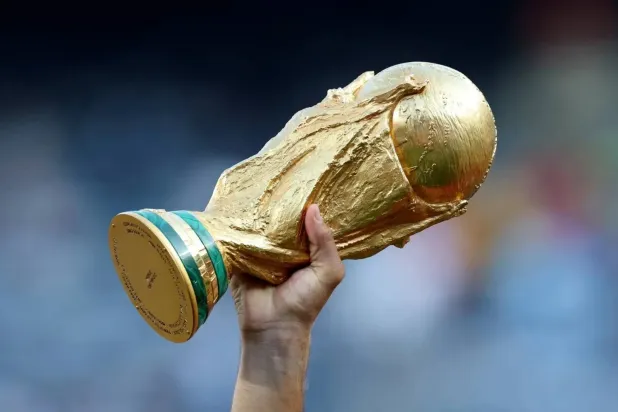
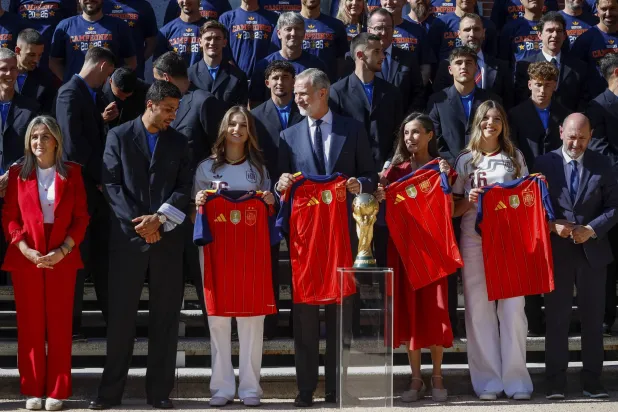
History recorded that Spain defeated Argentina and was crowned world champion, and it remains that the 2026 edition achieved unprecedented financial figures, but those who followed the tournament know that the path to the title was a Spanish story, while refereeing was another story, and profits a third story.
Spain did what real champions do. It was not the best in every moment, but it was the best when the title awaited it. In the World Cup, these details are what make the difference between a team that leaves the tournament and a team that lifts the cup. And stay safe.
Original source: Al-Riyadh

Comments (0)
Be the first to comment.