Trump's Show a Perfect Ending for a World Cup Characterized by Extravagance
In the press review, articles emerged about the 2026 World Cup after Spain's victory over Argentina, the ongoing escalation between the United States and Iran, and finally we take you to where the mind's pleasure lies in the game of chess and the impact of technology on it.
Trump's Show a Perfect Ending for a World Cup Characterized by Extravagance - The Guardian
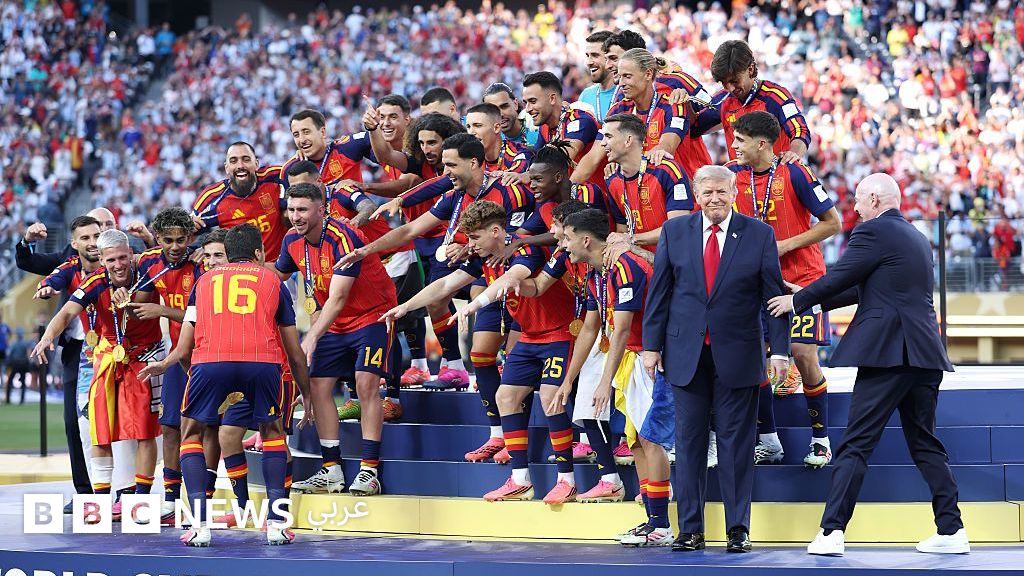
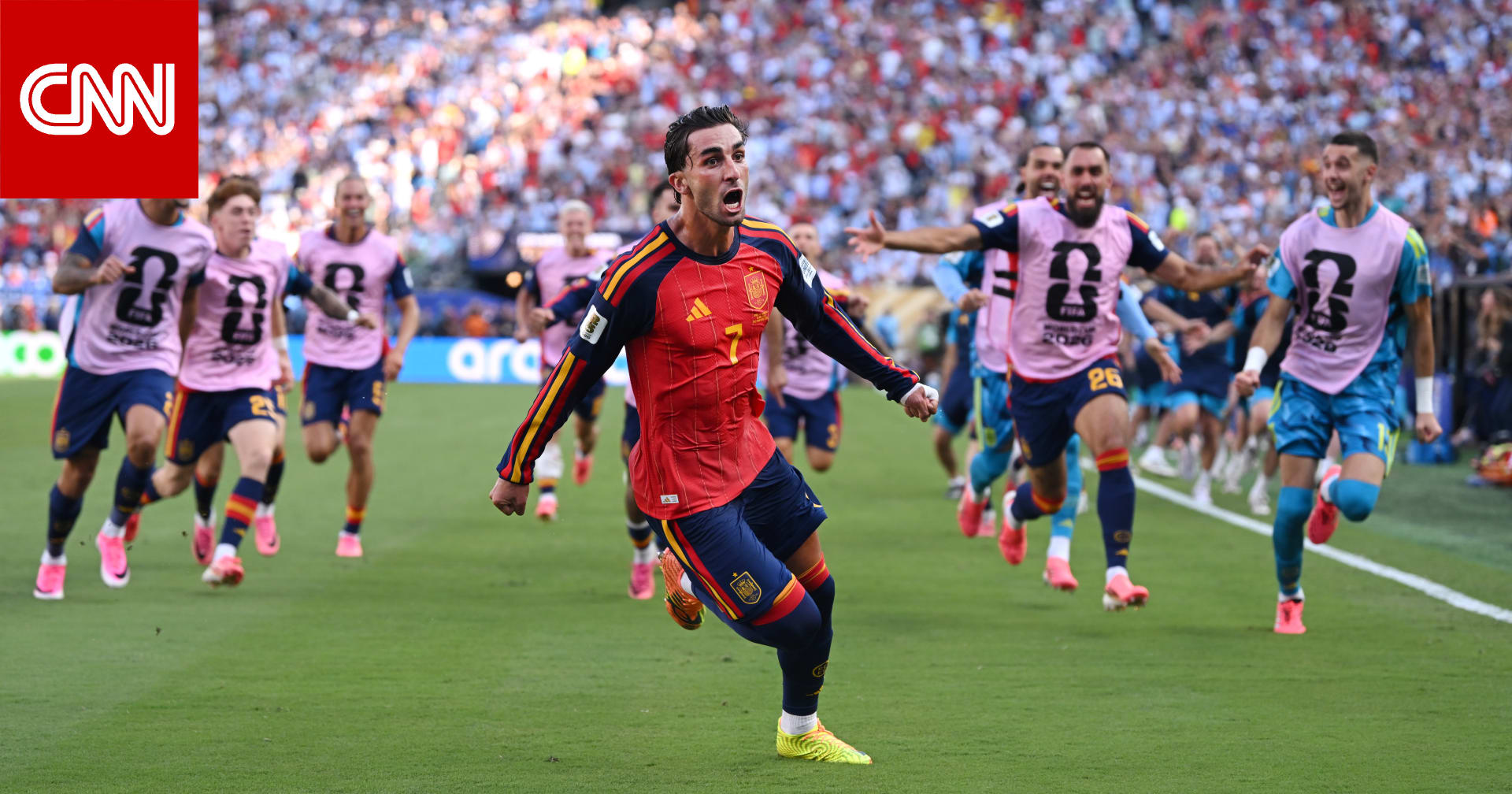
Image caption, The Spanish team celebrates winning the 2026 World Cup
Published 6 hours ago
Read duration: 6 minutes
In Monday's press review, articles emerged about the 2026 World Cup after Spain's victory over Argentina, the ongoing escalation between the United States and Iran, and finally we take you to where the mind's pleasure lies in the game of chess and the impact of technology on it.
We start with the British newspaper The Guardian, where Nick Ames wrote an article titled "Trump's Show a Perfect Ending Like a Disturbed Dream for a World Cup Characterized by Extravagance and Harm."
The writer begins his article by affirming that the final scene of the World Cup ended "almost as Gianni Infantino and Donald Trump wanted. Earlier on the day of the World Cup final, which seemed endless, the trophy was taken out of a luxury bag bearing the Louis Vuitton logo, a scene that masterfully embodied the extravagance that characterized the tournament."
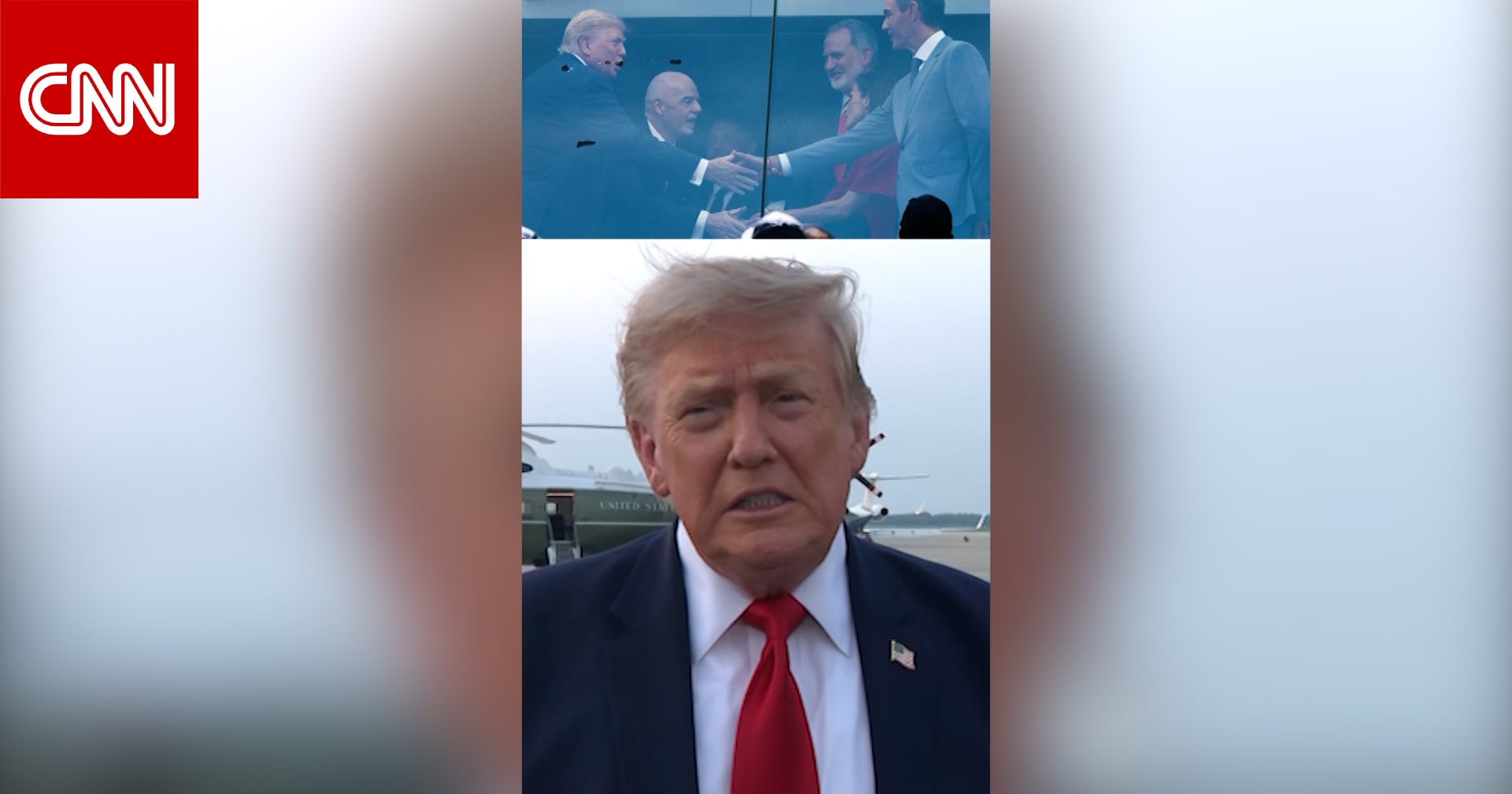
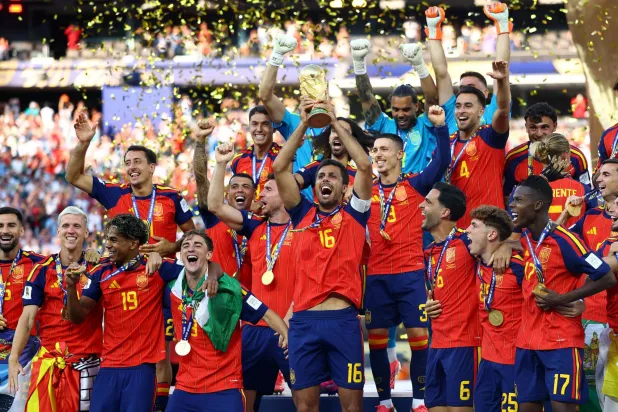
Ames adds that "after Infantino and Trump together ascended the podium and presented the trophy to Spanish player Rodri amid his wide smile, Trump slightly confused the scene by remaining standing during the collective photo of the Spanish national team. After overcoming any embarrassment, they left the venue as golden confetti fell on a less-than-perfect pitch."
The writer believes that "football seemed like a side event for most of the afternoon of the last day of the tournament, which was curated to satisfy the egos of certain individuals."
World Cup: Spain World Champions after defeating Argentina
Muwaffaq Salti Air Base: What do we know about the Jordanian air base that Iran targets?
Ames wonders how "to explain an amazing, exciting, and largely strange tournament that combines hospitality and a terrifying detachment from reality? The tournament ended with a scene that looked like a disturbed dream beneath a clear blue American sky, where football seemed like a side event for most of the day, even if the match performance was not in its favor."
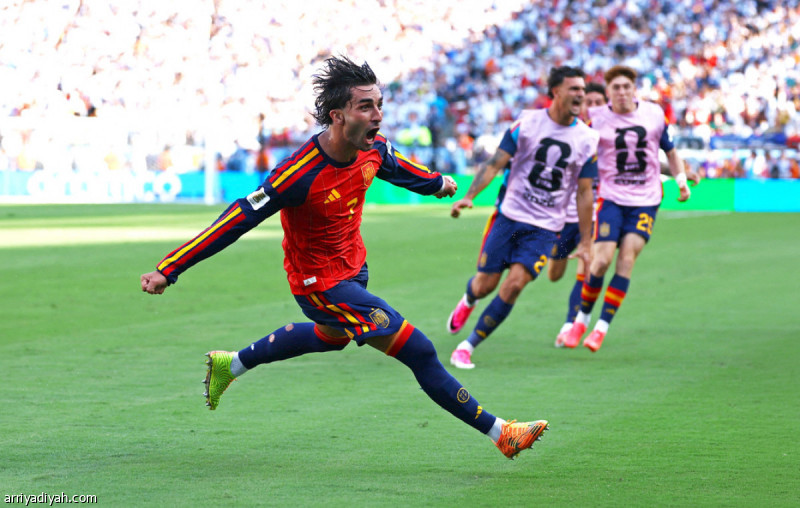
But the writer says that "anyone wanting to draw a lesson might find special pleasure in Spain's victory, as it was a triumph for the idea of teamwork in a tournament built primarily on glorifying stars and individuals."
After criticizing the celebrations and extravagance in the presence of FIFA President Gianni Infantino and US President Donald Trump, which made football seem like a secondary event to the shows, prominent figures, and stars, he moved to criticizing the growing political and financial influence in the tournament, as he sees it.
Skip most read and continue reading
The other World Cup winner... Lamine Yamal's little brother who captivated the internet
Trump threatens Iran with a 'much greater' price after killing of US soldiers, Tehran declares it is in 'total war' with Washington
'Access to the Red Sea': A new chapter in the Egypt-Ethiopia conflict
Aoun's visit to Washington: What does he want from Trump? Was the reception 'lukewarm'?
Skip podcast and continue reading
Worth attention
In-depth explanation of the most prominent events and topics, to help you understand the most important changes around you and their impact on your life
Episodes
End of podcast
He cites the case of American player Folarin Balogun - who returned to play for his national team against Belgium despite receiving a red card in the previous match against Bosnia and Herzegovina - as the writer finds that what happened caused 'severe damage to confidence in FIFA's mechanisms, in addition to statements about political neutrality. This case tested the patience of football workers whose loyalty may have previously been unquestionable.'
He continues: 'The Belgian national team crushed the US team, meaning that Balogun's recall from suspension had no significant consequences.'
The International Federation of Association Football (FIFA) and Infantino will be enthusiastic thanks to revenues of $15 billion, which far exceeded their expectations, according to the writer.
He says that 'Infantino's passion for development and improvement means it is unlikely to backtrack on this step. The idea of a 64-team tournament has become a topic of discussion. Perhaps by the time it is implemented, international football outside Europe will have found its way to flourish. Unfortunately, Argentina and Morocco were the only representatives of the other continents after the round of 16.'
But despite all the mentioned criticisms, the writer says that the recent World Cup witnessed remarkable moments, most notably 'the story of the Cape Verde national team, especially its goalkeeper Vozinha, which was an immortal story. Also, Lionel Messi, Erling Haaland, Kylian Mbappe, and Jude Bellingham delivered performances worthy of stars.'
The writer concludes his article by saying: 'The World Cup that consumed money, resources, media time, and attention like never before has ended. As Infantino and Trump were leaving, Messi stood crying in front of the Argentine fans. Here, finally, was the moving human moment that the tournament had missed. The era of the greatest player in football history has ended, and for the fans who turn every appearance of his into a joyous tribute. It was a month in which an entire sport seemed to have entered its own new dimension.'
'The Participation Cup in the War on Iran'
Image caption, A monument to President Donald Trump's participation in the Iran war
Away from the World Cup, but not far from Trump, who received another cup from the perspective of unknown satirists who erected the 'Participation Cup in the War on Iran' in Washington, which is how The Economist began its article titled 'The War on Iran is the least popular in US history since polling began.'
The newspaper says that 'not far from the gray stone Martin Luther King Jr. Memorial in Washington, there is a large golden cup honoring Donald Trump. There, the "Participation Cup in the War on Iran," erected by unknown satirists, indicates that what matters on the battlefield is not winning, but participation.'
The article mentions that the inscription on the monument says: 'While some are preoccupied with tangible results, President Trump has shown the courage of participation.'
The article conveys opinions opposing the American war on Iran, noting that 'support for conflicts rarely increases over time.'
Among the opinions the article cited is that of Mora Flint, a local tour guide, who found the 'Iran War Cup' a 'very funny' joke, but the reality of Trump's long war in Iran is completely different, as 'he does not have a good exit strategy. And no end in sight,' as she says.
The article indicates that 'American voters seem to agree with that.'
In another opinion presented by the newspaper in its article, Larry Sabato from the University of Virginia believes that what is striking is not only the depth of resentment towards the war, but also the speed of its spread. He says: 'The war with Iran is the most unpopular conflict among Americans since polling began. And this has been true since the first day of the war.'
He adds: 'The longer the war, the greater the costs, and among these costs is support for Trump and the Republican Party in the midterm elections.'
Original source: BBC Arabic
Comments (0)
Be the first to comment.