World Cup of Expansion and Refereeing Controversy

- The 2026 World Cup marks a historic turning point in the journey of the world's most popular tournament; this edition introduces the new expansion system, increasing participating teams to 48 for the first time, raising the total number of matches to 104. As the competition progresses in the three host countries (the United States, Mexico, and Canada), discussions have intensified around two main aspects: astronomical financial figures and controversial refereeing decisions related to modern video technologies. - If the increase in the number of teams has provided historic opportunities for nations that never dreamed of being in the global event and achieved remarkable commercial and investment success for FIFA and national federations...
Sami Al-Mughamsi
World Cup of Expansion and Refereeing Controversy
July 12, 2026 - 00:02 | Last update July 12, 2026 - 00:02
Follow Okaz channel on WhatsApp
- The 2026 World Cup marks a historic turning point in the journey of the world's most popular tournament; this edition introduces the new expansion system, increasing participating teams to 48 for the first time, raising the total number of matches to 104. As the competition progresses in the three host countries (the United States, Mexico, and Canada), discussions have intensified around two main aspects: astronomical financial figures and controversial refereeing decisions related to modern video technologies.
- While increasing the number of teams has provided historic opportunities for nations that never dreamed of being in the global event and achieved remarkable commercial and investment success for FIFA and national federations, this expansion has simultaneously imposed huge logistical and organizational challenges. It has placed the global refereeing apparatus before the dilemma of finding the lost balance between technological accuracy and the traditional spirit and spontaneity of the game.
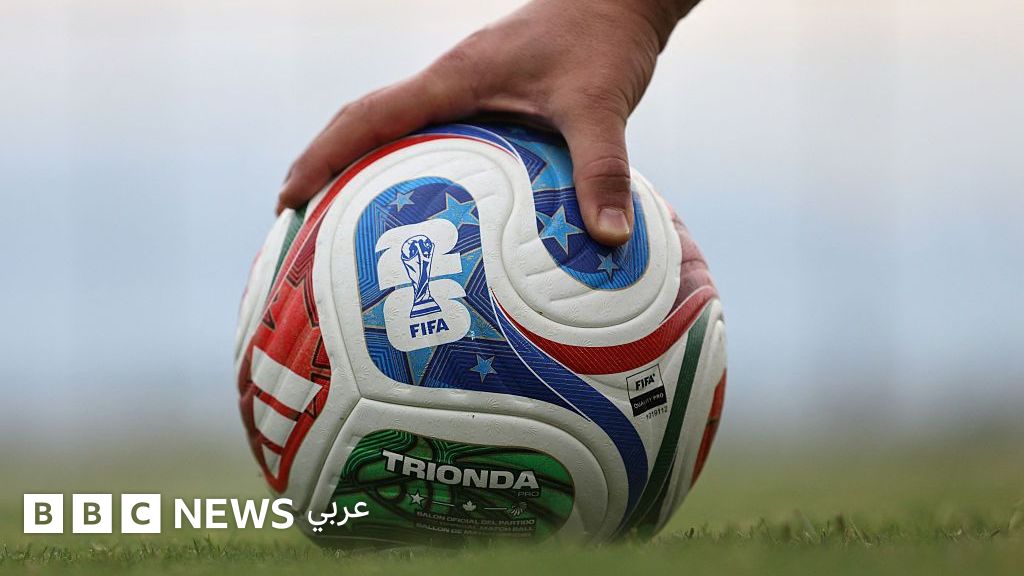
- Despite FIFA's efforts to introduce revolutionary technological innovations, such as micro-sensors inside the ball and three-dimensional simulation graphics to resolve offside cases in mere seconds, the World Cup faced a massive wave of refereeing controversy, centered on discretionary decisions and what was described as 'excessive curtailment of the game's enjoyment.'
- The cancellation of crucial goals for offside by 'millimeters' sparked anger among fans and teams alike; for example, the disallowed goal for the Egyptian national team against Argentina in the round of 16 due to a controversial error in the build-up, and the cancellation of a goal for Brazil's Vinicius Junior, prompting many coaches to accuse the technology of 'over-refereeing' and destroying the spontaneity of football. The intensity of competition was further heightened by disciplinary committee decisions, such as the controversy surrounding the suspension of US player Folarin Balogun's ban before the match against Belgium, a decision publicly criticized by the Belgian side.
- Faced with this flood of criticism and official complaints, such as the complaint from the Egyptian Football Association, FIFA's Head of Referees, Pierluigi Collina, came out strongly defending the referees, stating: 'Criticism is part of football, but questioning integrity is completely unacceptable and will not be tolerated.'
- In a technical analysis in a previous article I wrote at the start of the first round of the tournament, I tipped France and Argentina to reach the final again based on their technical level at the beginning of the tournament. However, the French 'Roosters' now seem to have the best chance to clinch the title this time, given their strong squad and complete team, with players at their peak physical and technical form on the pitch.
Original source: Okaz

Comments (0)
Be the first to comment.