Building AI Data Centers in Space: The Pros and Cons

Investor interest grows in building orbital data centers to meet AI computing demands, offering abundant solar energy and cooling benefits but facing challenges like radiation, heat dissipation, high costs, space debris, and logistical hurdles.
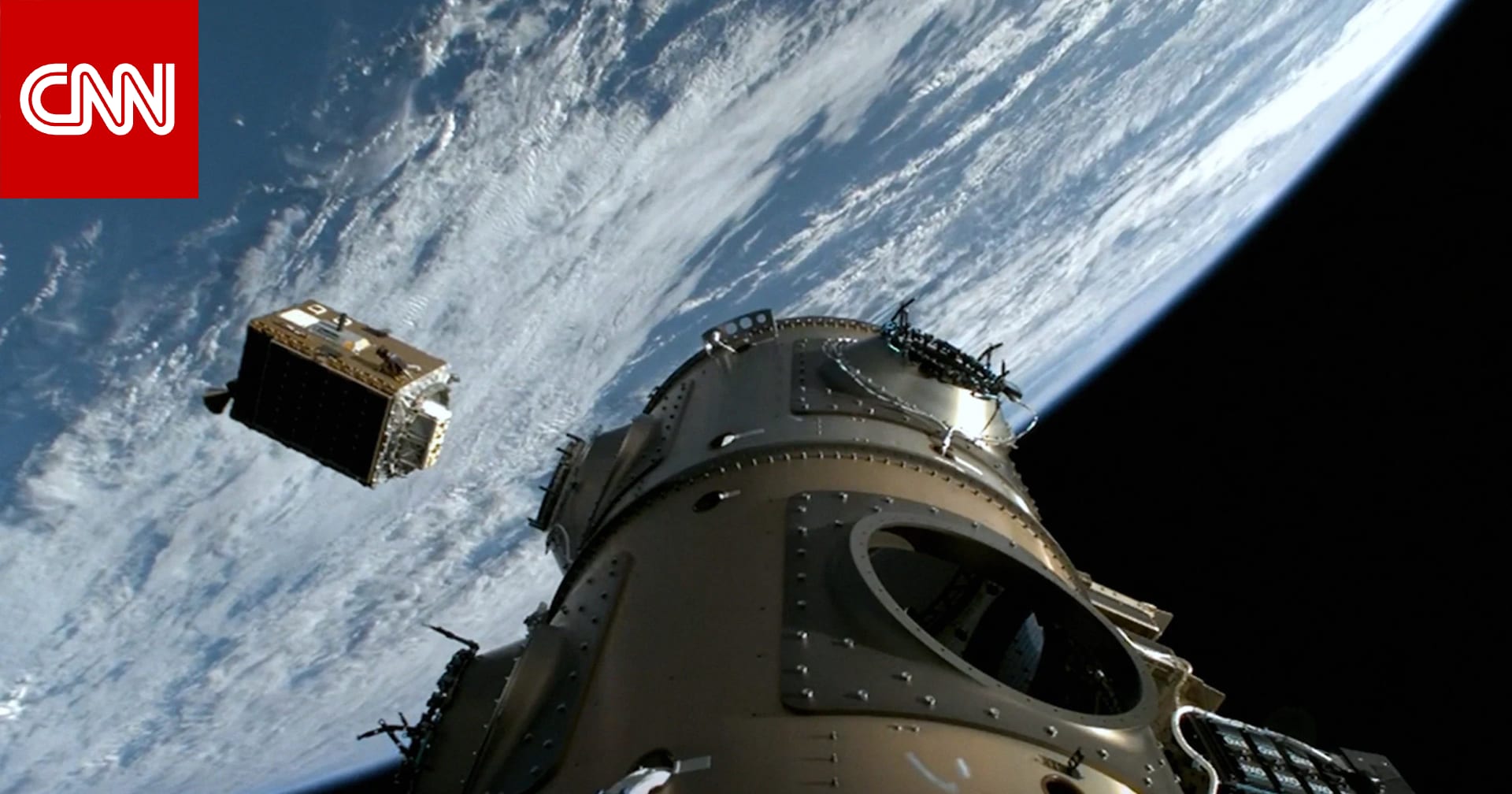
Investor interest in SpaceX's activities is growing, as it is no longer limited to rockets but extends to an integrated orbital system.
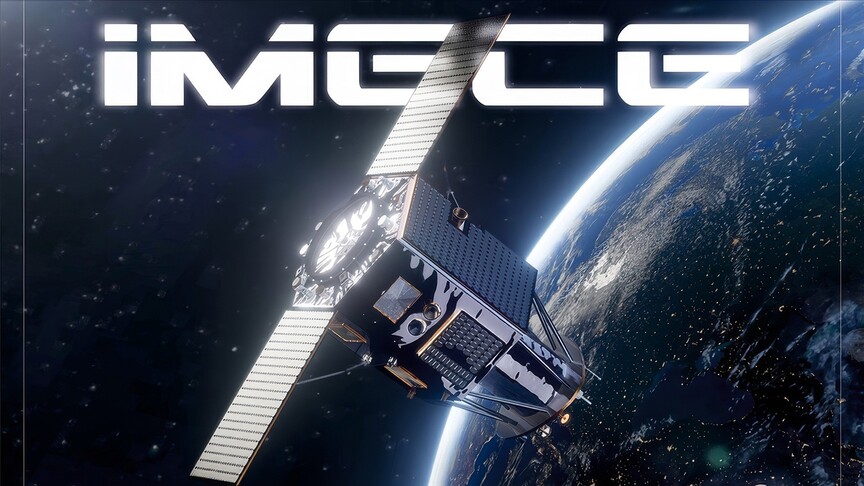
According to a report published by Science Daily, one of the most ambitious and challenging ideas, which seems closer to science fiction, is the construction of orbital data centers.
SpaceX is one of the most well-known companies pursuing this, but it is not the only one.
Tempting logic
The logic behind launching data centers into orbit, where solar energy is abundant and the Earth, water, and local power grids pose no constraints, is tempting.
With the growing demand for computing due to artificial intelligence, companies are promoting orbital data centers as a way to escape the increasing environmental and infrastructure pressures of terrestrial computing.
Data centers often face negative reactions from the public due to their presence in communities.
Harshness of space
But there is a vast difference between launching satellites and operating massive industrial computing infrastructure in orbit.
Space is harsh, and radiation damages electronics, which generate enormous amounts of heat; dissipating this heat in space is extremely difficult.
Repair operations are costly, and every pound launched into orbit still incurs a significant cost.
Components of data centers
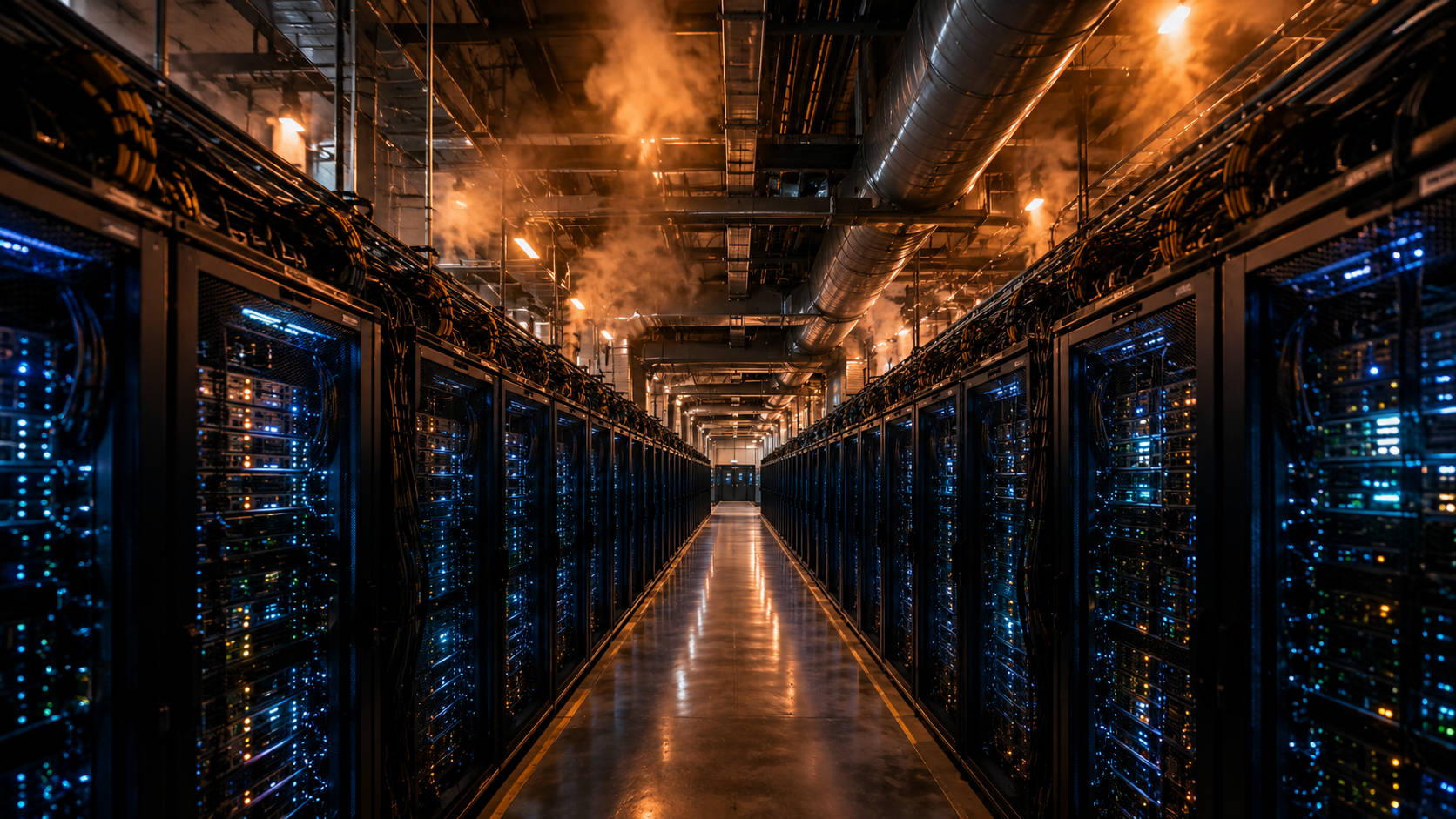
The components of a ground data center include cloud computing, video streaming, online banking, scientific computing, and increasingly, artificial intelligence. But a data center is not just a room full of servers.
Massive electrical power
A data center needs several elements to operate efficiently. First is electrical power: servers, networking equipment, and storage devices consume large amounts of electricity, and energy demand is rapidly increasing with the development of AI.
Cooling services
Second comes cooling services, as most of the electricity consumed by servers ultimately turns into heat.
If this heat is not removed quickly and efficiently, performance drops, failures increase, and the data center can shut down.
Cooling systems typically include air handling units, chillers, cooling towers, pumps, and increasingly, liquid cooling equipment.
In many facilities, cooling is the second largest consumer of energy after the computing equipment itself.
Physical infrastructure
Third, physical infrastructure includes land, buildings, structural support, backup power, water systems, communication networks, and accessibility for maintenance.
Data centers must also be close enough to users and major infrastructure networks to provide fast digital services.
Attractive business opportunity
Some companies find the prospect of building data centers in space an attractive business opportunity because, as on Earth, they will need huge amounts of energy, but in space it will come from solar panels, where the sun always shines and cannot be blocked by clouds.
However, depending on the orbit, the Earth can block the solar panels for part of the orbit.
Some experts also note that the best solar cells available today can only convert about half of the sunlight falling on them into electricity.
Cooling solution
Another potential advantage in space is cooling. The extreme cold of space (about -270 degrees Celsius below zero) provides a great opportunity, as waste heat from the data center can radiate into space through thermal radiators, keeping electronics cool.
Thermal radiators
In principle, this design could eliminate some of the large, water-consuming cooling infrastructure used on Earth. However, these thermal radiators require large surface area, in addition to the space needed for solar panels.
In space, there is no air to pass over hot equipment and help dissipate heat. Heat must be emitted as infrared radiation, a relatively slow process.
As a result, dissipating 10 megawatts of waste heat may require radiator surface areas equivalent to two football fields.
Serious risks
Space could become increasingly congested, and launching thousands of massive orbital data centers would exacerbate this problem.
Orbital debris and micrometeoroids pose serious risks due to their ability to puncture a space data center, and a collision could, in the worst case, destroy it and generate more space debris.
Logistical obstacles
The frequency of space launches required to send all equipment into orbit may also raise concerns in some communities.
SpaceX has seen protests at its launch complex in Boca Chica, Texas, by local activists arguing that rocket tests and launches damage the surrounding environment.
All this data will need to be transmitted between Earth and these data centers, and between data centers themselves, using radio waves or laser communication systems.
Although satellite constellations like Starlink and Amazon LEO have demonstrated the feasibility, the amount of data sent to and from space will multiply enormously.
Additional challenges
These data centers, along with their solar panels and radiators, cannot be launched as a single unit; they will need to be assembled in space.
This process requires new equipment for maintenance, assembly, and manufacturing in space. Upgrading computing hardware is another major challenge. Data center servers are not designed to last forever.
Operators on Earth typically replace or upgrade hardware every three to five years as processors improve, workloads change, and equipment becomes obsolete. Therefore, equipment failures are expected to require replacement of some components.
Upgrades and repairs are relatively straightforward on Earth, where workers can manually remove and replace servers.
In space, upgrades and repairs become much more difficult or extremely costly. If a computing platform cannot be upgraded or a large number of its components fail, it may become obsolete before the surrounding infrastructure reaches the end of its lifespan.
Near vacuum
Data centers will also be in a near vacuum, exposed to continuous radiation. Depending on their orbit, they will transition from extreme heat in sunlight to extreme cold in Earth's shadow multiple times a day.
All these challenges, and others, are issues that must be addressed.
Advertisement
Advertisement
Original source: Al Arabiya
Comments (0)
Be the first to comment.