Digital Political Parasites in the Age of Soft Wars
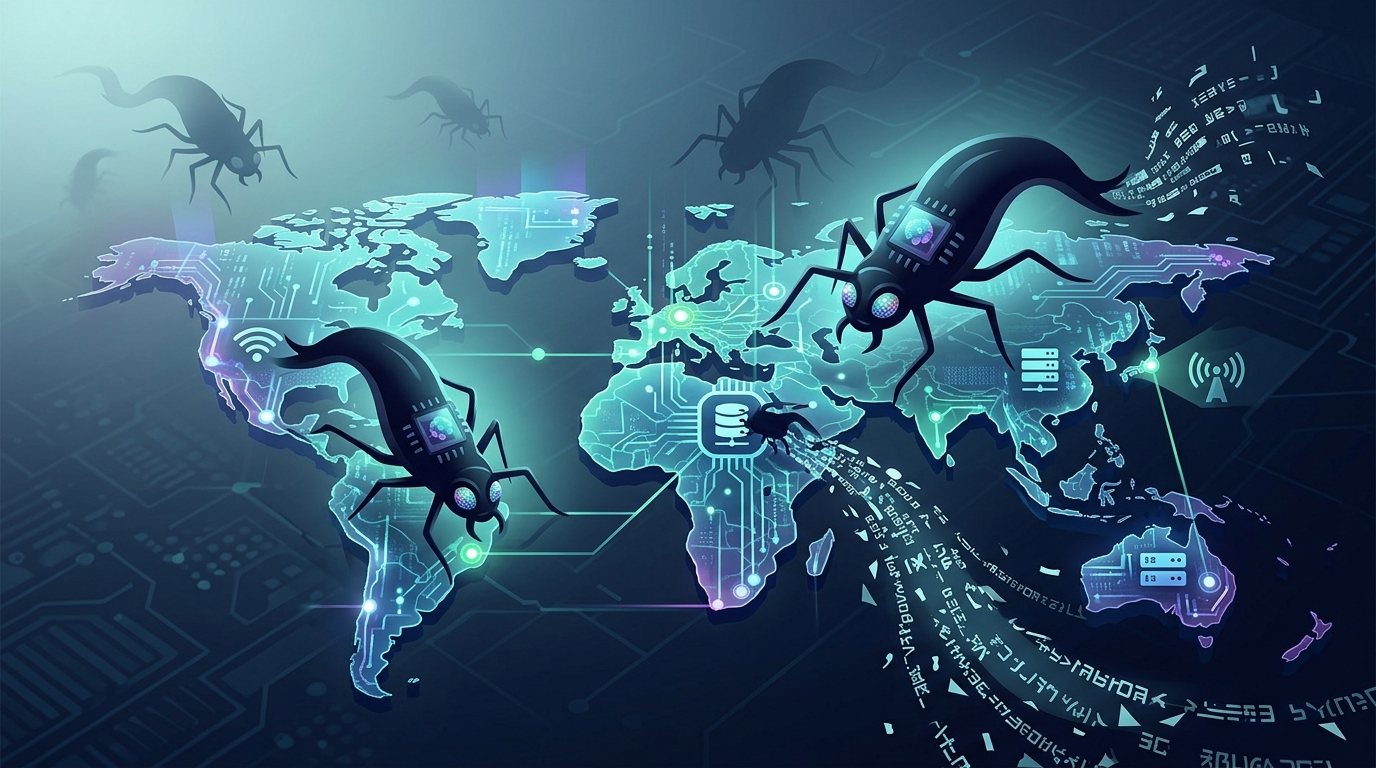
By digital political parasites here, we mean those accounts or entities that feed on the emotions and trust of the Saudi public. They begin with artificial praise and building false closeness, then invest the influence and followers they have gathered to serve paid agendas or political vendettas. Often, these digital political parasites start unnoticed through soft praise phrases and embellished emotional clips that know exactly which chord to strike, which memory to invoke, and which national pride to exploit. These entities do not enter the public sphere as adversaries, but rather sneak in under the guise of love and grow by building trust. They start by praising the Kingdom and its people not because they see it as a moral stance, but because they know that national sentiment is a door that can be easily opened.
And from the perspective of praise and flattery, the mercenary of praise does not build a sincere relationship with the audience, but rather builds a stock of temporary trust, then waits for the moment to cash it in politically. After completing the manufactured cycle, loyalty is transformed from a noble meaning into a commodity offered in the adversaries' auction, where praise becomes bait, followers become assets, interaction becomes capital, and the account becomes a platform for sale to the highest bidder. This mercenary entity, after gathering people around it in the name of love, sells them in the name of opinion and freedom of criticism. It sees them as numbers, not humans; as follow and view rates, not a society. And because the secret political market does not ask about conscience, price alone becomes the criterion for conversion, and conscience becomes a paper in an auction that is signed for its sale and purchase with every new payment.
As for the personality of this parasite, it is not a person of conscience and opinion who changes after review, nor a brave critic who encountered a truth. It is a crudely pragmatic entity, without an ethical system, changing colors like a chameleon. It praises excessively when praise is profitable, and attacks fiercely when attack commands a higher price. When you monitor it, you find it does not build an argument but creates noise, does not provide knowledge but twists its face in emotion. Every transition from praise to slander does not go through thought, evidence, or announced experience, but through a theatrical leap revealing that its unethical compass awaits a bank transfer.
This is how the soft penetration works that does not dare to break the door, but rather rents an emotional key, having rented its conscience for a handful of money. Adversarial parties and opponents know the price of these cheap tools; they do not always need official platforms or harsh statements for confrontation, but rather popular voices that appear independent with familiar faces, accounts that have built familiarity within the target audience. Thus, the digital mercenary becomes a weapon in the soft power battalion. After penetrating the inner feelings, it begins to pollute public discourse, create the illusion of a wave, and stir emotional flashpoints in society.
Nevertheless, despite the seriousness of the phenomenon, we must not fall into the trap of blind accusation of treason. Not every critic is a mercenary, not everyone who changes their mind is a traitor, and not every praise is fraud. The difference here appears in the pattern, not in a single statement. The true lover does not blackmail you with his emotion, and the constructive critic has a subject, evidence, limits, and responsibility. As for the 'borrowed political goat,' it exaggerates in every direction, jumps without explanation, its discourse coincides with suspicious waves, and uses ready-made packaged phrases.
Therefore, perhaps we need a recipe for immunity that begins with the questions: Who is this? How did it grow? What does it want? Who funds it? Why does it exaggerate? And why has it turned now? Let us not grant trust to those who overdo praise to the point that they seem more concerned for us than we are. On the other hand, awareness should be activated when interacting with them, for some responses are fuel, some quotes are free advertising, and some digital battles only benefit the algorithm and the mercenary together.
And with all this, it is certain that digital political parasites will fall, for awareness does not sleep and the watchful eye distinguishes between a sincere word that came from conscience and a shiny word that came out waiting for someone to pay more.
He said and moved on:
I am amazed at one whose trade is his conscience... Sometimes he sells it, sometimes he lends it.
Original source: Al-Riyadh




Comments (0)
Be the first to comment.