Why do some people get angry at digital content that doesn't speak to their experiences?
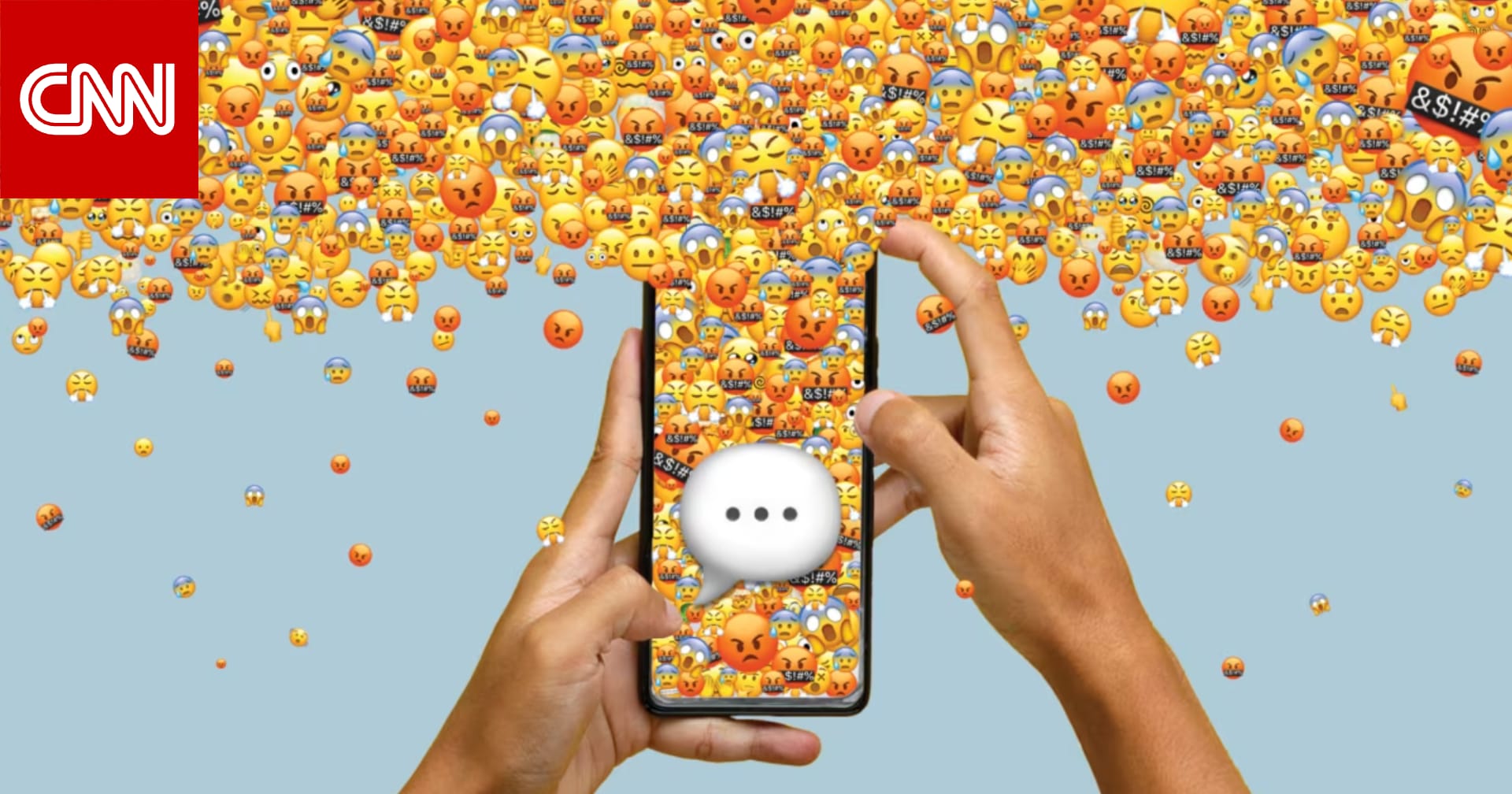
The "Bean Soup Theory" expresses the belief of some people that everything they see online should apply to their own experiences. So what is the reason behind this thinking, and how can it be overcome?
(CNN)-- A content creator named Cara received positive interaction after posting a recipe for a plant-based bean soup aimed at boosting iron levels during menstruation.
However, she faced questions from some followers, such as "What if I don't like beans?" and "Can I substitute it with another ingredient?" instead of simply searching for a new recipe that suits their tastes and needs.
This situation reflects a strange phenomenon: some people express anger towards content creators when their posts do not align with their own lifestyles or personal needs.
Dr. Jessica Maddox, an associate professor of entertainment and media studies at the University of Georgia in the United States, said: "This phenomenon has existed for a while, but it has been greatly exacerbated by social media, and its pace has accelerated significantly in recent years."
Cara's video went viral in August 2023, sparking widespread debate due to the comments it generated, leading to this behavior being dubbed the "Bean Soup Theory."
Micheline Maalouf, a licensed mental health counselor and content creator based in Florida, USA, who has over a million followers on TikTok, said: "It's natural to see the world from our own perspective and interpret it through our personal experiences."
However, experts stressed that thinking should not stop there; it is important to delve deeper into the psychological, emotional, and technological factors that limit critical thinking and empathy.
Moments of Strange Anger
A woman named Daisy posted on X about a morning routine she enjoys with her husband, writing: "My husband and I wake up every morning, take our coffee to the garden, sit and talk for hours... every morning... we never get bored, and we never run out of topics... I love him so much."
While some loved her post, others criticized it, considering that what she wrote reflected a privilege that most people do not have, sparking widespread controversy that led her to delete the post.
Maalouf said she also faced criticism over some of her social media posts.
In one video, she talked about the possibility of eating sour candy or spicy foods to help shorten the duration of a panic attack. She explained that activating the digestive system might send signals to the nervous system indicating that the person is not in danger.
However, some diabetics pointed out that they cannot eat these foods due to their health condition.
Maalouf said: "I was very surprised... I assumed people would simply realize that this video is not directed at them."
When she suggested trying salt packets instead, another person said he suffers from high blood pressure.
In general, Maalouf no longer engages with this type of comment.
"A Glitch in the System"
Maddox believes that the "Bean Soup" phenomenon is partly due to a complex mix of American individualism and social media algorithms that show each person personalized content.
She said: "That's the business model."
Maddox added that some people become irrationally angry when they see content that does not suit them, especially because they feel there is a "glitch in the system." Instead of simply considering the content not suitable for them, they find its difference to be wrong.
Temilola Adeyeye, a comedian, writer, and content creator in New York City, attributes this behavior to a lack of comprehension and reading ability, or some people's desire to prove their intelligence to others.
She said in a recent TikTok video: "A person learns how to infer meaning around third or fourth grade," explaining that "excessive focus on details does not mean a person is smart."
Viewing General Media Content Through Personal Filters
The COVID-19 pandemic also bears part of the responsibility, not only because of extreme isolation and heavy reliance on technology, but also because of the important cultural discussions during that period about race relations, police performance, labor issues, sexual violence, and others.
With many governments, educational institutions, and companies backing away from addressing these issues, there are still real and long-rooted problems that make many feel marginalized and powerless, leading them to turn to regular content creators with the question: "What about me?"
Maddox said that some people prefer to attack strangers online, even when they have actual ways to make a positive change in their communities.
Maalouf explained that many people "have experienced real marginalization throughout their lives." Therefore, when they anticipate any sign of exclusion, they may resort to unhealthy methods to feel seen and important.
Adeyeye said that some people are quick to assume the worst intentions in others, but they do not do the same for themselves.
She explained: "If someone else expresses themselves incorrectly, they are cruel, bad, and indifferent... but if you express yourself incorrectly, you are simply trying your best and should not be held responsible."
Critics may forget that content creators themselves may face the challenges they accuse them of ignoring.
When Adeyeye posted a clip about working hard, one follower said he could not do that because he has ADHD, not realizing that Adeyeye herself has the same disorder.
Adeyeye pointed out that "many people believe their identity makes them experts on a particular experience."
How to Broaden Your Perspective?
If you constantly feel resentful while browsing the internet, you may need to spend more time in the real world, where you can interact with people from different backgrounds and experiences.
When you return to your digital bubble, ask yourself before directing criticism online: Did I watch or read the content in full? Am I assuming the worst intentions? Would I say the same thing if the person were in front of me? Or am I feeling jealous, powerless, or upset due to my personal problems? What can this post teach me about others? How can I find a solution that suits me? Does this content include ideas that might benefit me or others?
If there are deeper issues or traumas that make you easily affected by what you see online, you can reduce your exposure to content that triggers your emotions by blocking certain words or specific accounts.
Maalouf said it is also helpful to consult a therapist or build a network of people with whom you feel supported.
She added that somatic therapy can also be beneficial, especially as it helps patients understand their physical state in moments when their emotions are intense, giving them a chance to think about their reactions instead of feeling great anger.
In fact, being more open, instead of always busy criticizing others' posts, can also benefit you. You may become less harsh on yourself, and more happy, relaxed, and empathetic. You may also find more mental space for things that truly matter to you in life.
Original source: CNN Arabic



Comments (0)
Be the first to comment.