UN Warning: Marine Heatwaves Threaten Island Nations
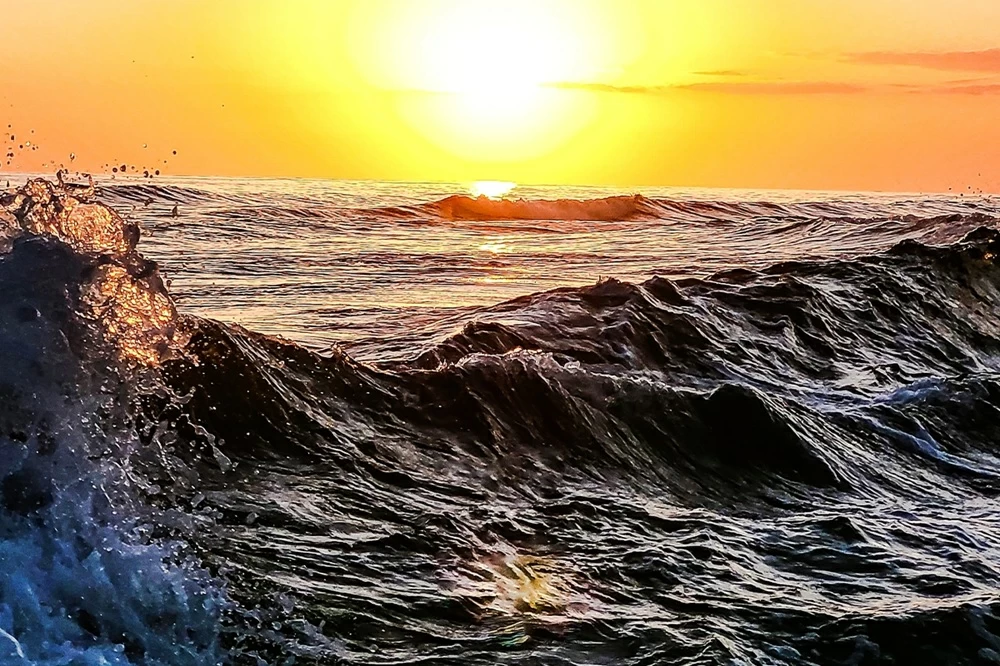
The World Meteorological Organization warned today of the escalating risks threatening the South West Pacific region, due to rising ocean temperatures, the recurrence of marine heatwaves, and rising sea levels.
The organization stated in its annual report: "The region has experienced its second hottest year since the beginning of climate data recording (after the year 2024), characterized by extreme weather phenomena that caused widespread disruptions, economic damage, and loss of life."
The organization pointed out that the year 2025 was the worst in terms of heatwaves in the absence of the El Niño phenomenon, expressing concern about the potential return of this phenomenon in 2026.
The organization highlighted in its report the rise in water temperatures and increased acidity; which harms activities and ecosystems, and the rising sea levels that threaten coastal populations and low-lying island nations.
The World Meteorological Organization warned today of the escalating risks threatening the South West Pacific region, due to rising ocean temperatures, the recurrence of marine heatwaves, and rising sea levels.
The organization stated in its annual report: "The region has experienced its second hottest year since the beginning of climate data recording (after the year 2024), characterized by extreme weather phenomena that caused widespread disruptions, economic damage, and loss of life."
The organization pointed out that the year 2025 was the worst in terms of heatwaves in the absence of the El Niño phenomenon, expressing concern about the potential return of this phenomenon in 2026.
The organization highlighted in its report the rise in water temperatures and increased acidity; which harms activities and ecosystems, and the rising sea levels that threaten coastal populations and low-lying island nations.
Original source: Okaz
Comments (0)
Be the first to comment.