4 Killed in US Strike on Iranian City of Ahvaz
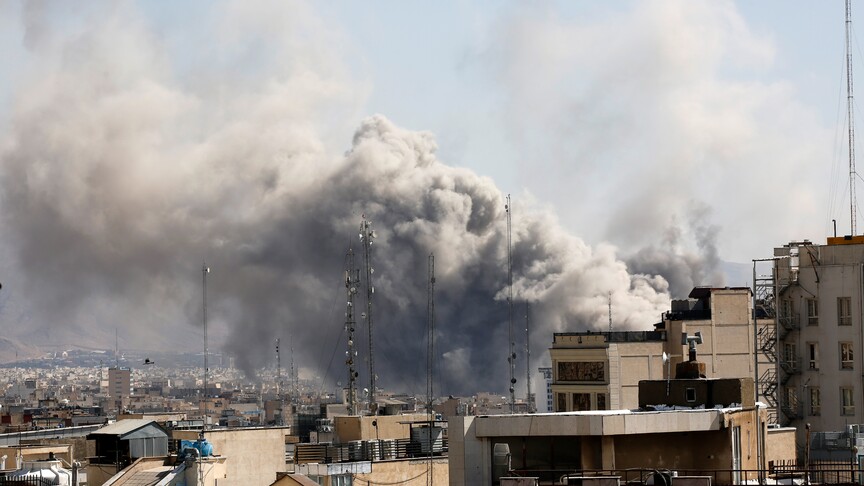
According to Iran's semi-official Tasnim news agency..
Tehran / Anadolu
Iran's semi-official Tasnim news agency reported on Friday that four people were killed in a US attack targeting the city of Ahvaz in Khuzestan province, located near the border with Iraq.
The attack is part of a series of mutual strikes between the United States and Iran that the region has witnessed for weeks.
According to the agency, Khuzestan province announced that several sites in Ahvaz were subjected to missile bombardment by the United States.
It added that the US attack resulted in the deaths of 4 people in Ahvaz and injuries to 5 others.
Earlier on the same day, the US Central Command (CENTCOM) confirmed it had carried out the 13th wave of its attacks against Iranian targets.
For about two weeks, the United States has been launching successive waves of strikes on sites inside Iran, while Tehran responds with attacks using missiles and drones on military bases, installations, and sites it says are linked to Washington in regional countries.
The escalation comes despite Washington and Tehran having signed a memorandum of understanding last June that included a cessation of hostilities and the start of negotiations for a broader agreement.
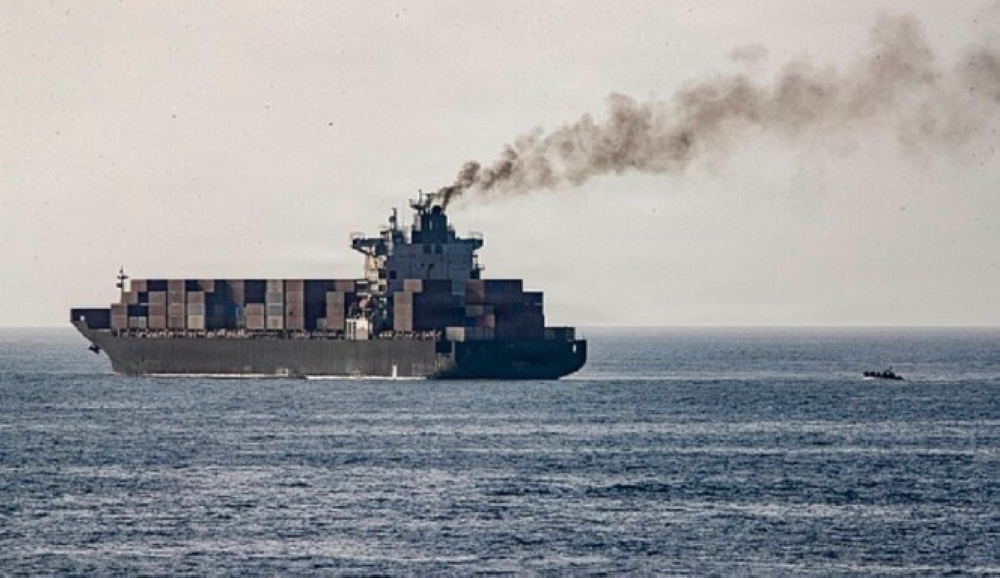
However, US President Donald Trump announced on July 8 the end of the ceasefire, after tankers in the Strait of Hormuz were attacked, which Washington accused Tehran of being behind, prompting the United States to resume its strikes inside Iran amid escalating Iranian responses in the region.
Washington demands that Tehran stop attacking ships and guarantee freedom of navigation through the Strait of Hormuz, while Iran insists on subjecting ship transit to a mechanism it regulates through the waterway overlooking its coasts, exacerbating fears of disruption to oil and gas exports from the region.
The United States had launched successive waves of strikes on sites inside Iran about two weeks ago, while Tehran responded with missile and drone attacks on US military bases in neighboring countries. Washington demands a ceasefire and guarantees freedom of navigation in the Strait of Hormuz, while Iran insists on regulating ship transit through the waterway. Fears of disruption to oil and gas exports from the region have increased due to the ongoing escalation. The memorandum of understanding signed in June collapsed after President Trump announced the end of the ceasefire on July 8, following attacks on tankers in the Strait of Hormuz attributed to Iran.
Original source: Anadolu Agency




Comments (0)
Be the first to comment.