Libyan parties call for unifying institutions and holding presidential and parliamentary elections
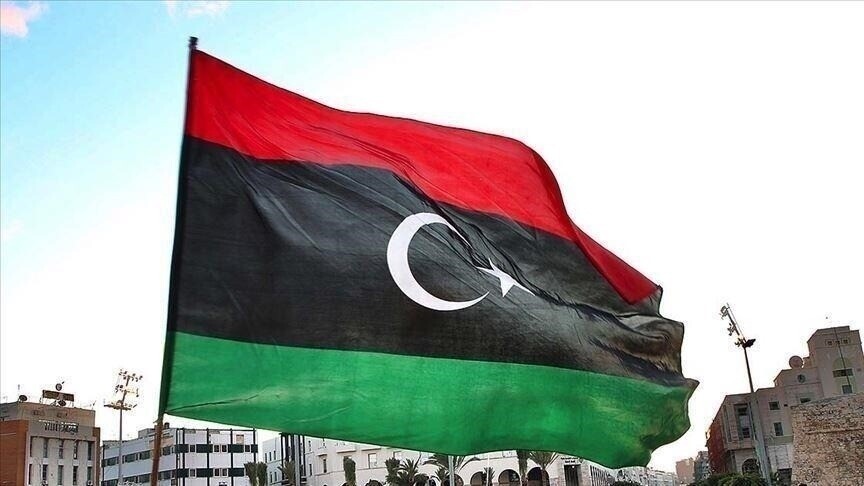
The call came during the first conference of Libyan parties in Sirte, as UN efforts continue to reach a political settlement to end the division in the country.
TRIPOLI, Libya (Anadolu)
Libyan parties on Wednesday called for unifying state institutions and holding free and fair presidential and parliamentary elections, according to a consensual constitutional basis, to restore stability in the country.
This came in a statement issued during the first conference of Libyan parties, which began its work in the city of Sirte (center) under the slogan "Political Parties' Visions for Addressing the Libyan Crisis," and its activities continue for two days.
The statement stressed the importance of "unifying state institutions, foremost among them the executive authority and the military institution, to support building a state of institutions and law and achieve the aspirations of citizens."
It added that "holding free and fair presidential and parliamentary elections, according to a consensual constitutional basis, represents the most legitimate path to restore state institutions and renew their legitimacy, leading to a unified authority that leads the country toward stability."
The statement clarified that "the next phase requires preserving Libya's unity and sovereignty, and strengthening social peace."
It also praised "the efforts led by the United Nations and regional and international partners to support the political process."
It called for "continuing initiatives that contribute to bringing the views of Libyans closer."
The statement affirmed that "parties are a fundamental pillar in building a democratic state, and they bear the responsibility of contributing to ending the division, consolidating a culture of dialogue and peaceful transfer of power, and promoting citizenship and the rule of law to meet the aspirations of the Libyan people for security, stability, and development."
Two governments are vying for power in Libya; the first is the Government of National Unity, internationally recognized, headed by al-Dbeibeh, based in the capital Tripoli, and administers the west of the country.
As for the second, it was appointed by the House of Representatives in early 2022, currently headed by Osama Hammad, based in the city of Benghazi, and administers the east and most of the southern regions.
For years, the United Nations Support Mission in Libya has been leading efforts to reach a political settlement leading to elections that Libyans hope will end political and armed conflicts and put an end to the transitional periods that have continued since the overthrow of Muammar Gaddafi's regime in 2011.
Original source: Anadolu Agency
Comments (0)
Be the first to comment.