Government and Settlers: An Israeli Partnership to Reshape the West Bank

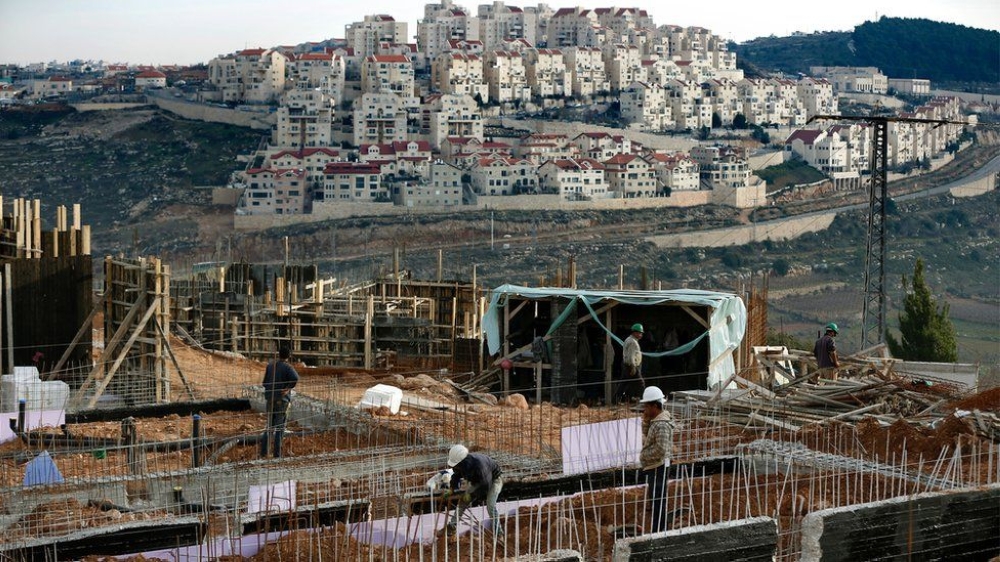
On July 14, the Israeli "Cabinet" approved the allocation of 1.3 billion shekels to establish new settlements in the occupied West Bank.
Ramallah / Qais Abu Samra / Anadolu
- Expert on Israeli affairs Alaa Al-Rimawi: The Israeli government uses its political, financial, and military tools to empower the settlement project.
- General Supervisor of the Al-Baidar Organization for Defending Bedouin Rights Hassan Malihat: Since the beginning of 2026, we have documented about 3,000 attacks on Bedouin communities alone, along with the displacement of 21 communities.
According to observers, Israeli settler attacks in the West Bank can no longer be interpreted as sporadic assaults carried out by extremist groups.
With the growing influence of the settlement movement within decision-making institutions, these attacks are now presented as part of a broader political project led by the Israeli government.
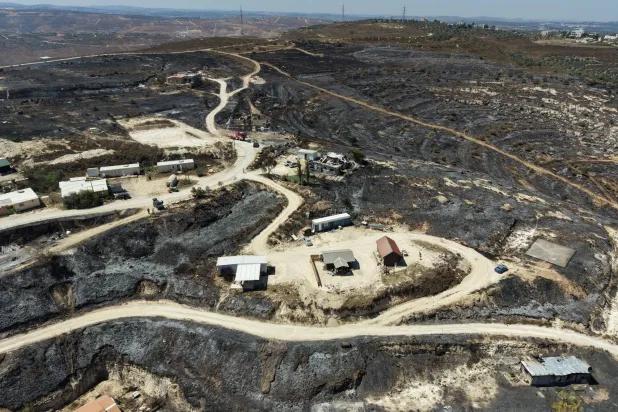
In recent weeks, settler attacks have escalated in several West Bank towns, including Deir Jarir and Sinjil, coinciding with the establishment of new outposts, the expansion of settlements, and intensified restrictions on Palestinians.
** New Settlements
On July 14 of this year, the Hebrew-language newspaper Yedioth Ahronoth reported that the Israeli Ministerial Committee for National Security (the Cabinet) approved the allocation of 1.3 billion shekels (approximately $370 million) to establish new settlements in the occupied West Bank.
The newspaper added that the decision was made about a month ago but was kept under wraps "to avoid embarrassing the Americans," as part of a proposal submitted by Prime Minister Benjamin Netanyahu, Finance Minister Bezalel Smotrich, and Settlement Affairs Minister Orit Strock.
According to the newspaper, the budget also aims to establish neighborhoods in dozens of settlements approved by the current government and to develop the necessary infrastructure to begin settlement construction work.
The current Israeli government boasts of being the most supportive of settlements. Since its formation in late 2022, the West Bank, including East Jerusalem, has witnessed a remarkable acceleration in settlement activities, despite the United Nations considering these lands occupied Palestinian territories.
About 750,000 settlers live in 141 settlements and 224 outposts in the West Bank, including 250,000 in 15 settlements in East Jerusalem.
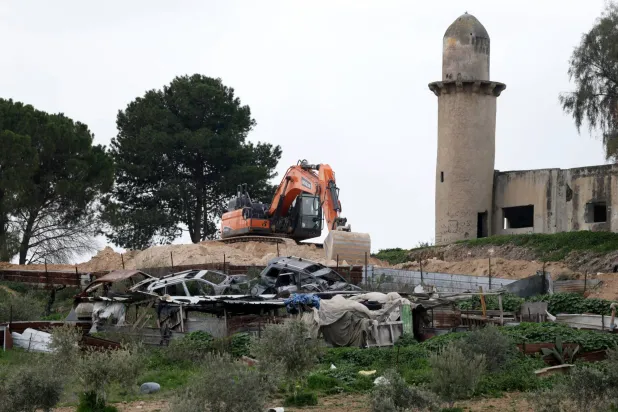
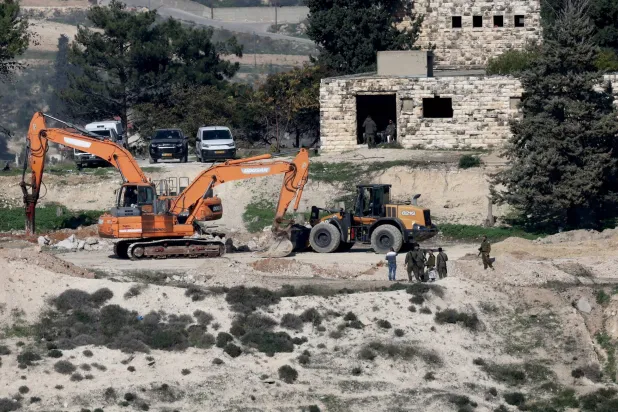
In parallel, the Israeli army and settlers have escalated their attacks, which include killing, arrests, demolition of facilities, vandalism of property, and the displacement of Palestinians.
Palestinians warn that these policies pave the way for the official declaration of annexation of the West Bank, undermining the possibility of establishing an independent Palestinian state in accordance with United Nations resolutions.
In 1948, Israel was established on Palestinian land occupied by Zionist gangs that committed massacres and displaced at least 750,000 Palestinians, before later occupying the rest of the Palestinian territories.
** Settler Ministers
Specialists believe that these developments are linked to the rise of figures representing the settlement movement to positions of decision-making and their assumption of civil administration, planning, and construction portfolios in the West Bank.
Since 2023, the government has transferred broad civil powers in the West Bank to Smotrich, a move observers consider to be a step that consolidates direct Israeli administration of the occupied territories.
Expert on Israeli affairs Alaa Al-Rimawi told Anadolu that "the question is no longer about the extent of the settlers' influence on the government, but rather whether there is any difference between the two parties."
He added that Smotrich, serving also as a minister within the Ministry of Defense, oversees the settlement portfolio, while settlement budgets come from the Ministry of Finance, and army units undertake their protection.
He continued: "The government uses its political, financial, and military tools to empower the settlement project, and therefore I see no difference between it and the settlement movement; rather, both parties operate within a single political project."
According to Al-Rimawi, government support is no longer limited to security protection, but includes the transfer of budgets that he stated reached about 1.5 billion shekels during the recent period to pave roads, expand settlements, and establish institutions serving the settlement project.
He believes that Israel is building an integrated organizational, financial, and societal structure that grants settlers a greater ability to control Palestinian land.
He states that the first repercussions of this are reflected in creating geographical contiguity between settlements and transforming them into cohesive blocs, after they were relatively isolated.
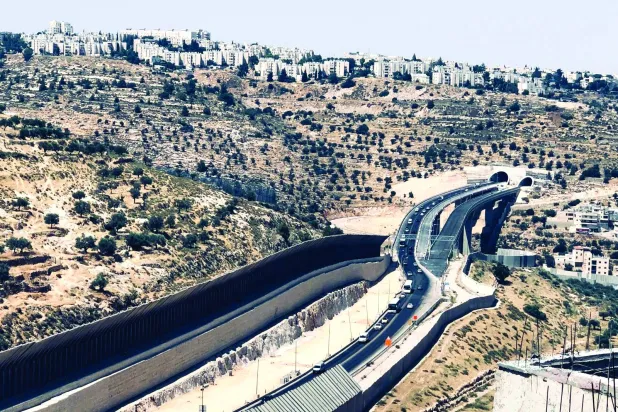
According to Al-Rimawi, the government is also working to reshape the infrastructure of the West Bank through a network of settler roads, change the urban landscape, and impose Israeli symbols on intersections and vital areas.
He adds that Israel is moving towards controlling mountain peaks, valleys, and water sources, as part of a project that has accelerated over the past two years and now includes thousands of dunams and strategic sites related to water and energy.
Israeli settlements in the occupied Palestinian territories are considered illegal under international law and constitute a flagrant violation of Article 49 of the Fourth Geneva Convention and numerous United Nations Security Council resolutions, most notably Resolution 2334, which demanded that Israel halt settlement activity in the West Bank and affirmed the illegality of Israel's establishment of settlements in the territory occupied since 1967.
** Settler Attacks
For his part, the General Supervisor of the Al-Baidar Organization for Defending Bedouin Rights, Hassan Malihat, says that the settlement movement no longer pressures the government from the outside, but has become represented within it.
Malihat told Anadolu that settler representatives in the government and the Knesset are imposing Israeli policies in the West Bank, which is evident in the expansion of outposts and the escalation of attacks against Palestinians, especially in areas classified as "Area C".
Under the 1995 Oslo II Accord, the West Bank is divided into three areas: "A", "B", and "C". Area A is under full Palestinian control, Area B is under Palestinian civil control and Israeli security control, while Area C is under full Israeli control and constitutes about 60 percent of the West Bank's area.
Malihat believes that Smotrich and National Security Minister Itamar Ben-Gvir are leading policies based on expanding settlements and weakening the Palestinian presence.
According to Malihat, the Al-Baidar Organization has documented since the beginning of 2026 about 3,000 attacks on Bedouin communities alone, alongside the displacement of 21 communities, the seizure of thousands of dunams, and the establishment of new outposts at an "unprecedented" pace.
He says these outposts are not merely residential clusters, but are transforming into launchpads for attacks and a means to seize more land.
He warns that the continuation of the current trajectory could lead to wide-scale demographic changes, adding: "The West Bank will be on the cusp of a new Nakba represented by the displacement of Palestinians, especially with the targeting of Bedouin communities and villages."
These assessments intersect with Israeli and international reports that have spoken of an accelerating de facto annexation process through the legalization of outposts, the expansion of settlements, and investment in roads and infrastructure, thereby strengthening the long-term Israeli presence and undermining the prospects for a Palestinian state.
Additionally, the Israeli organizations Peace Now and Kerem Navot warned that the government is carrying out a process of "de facto annexation" at an unprecedented pace.
Original source: Anadolu Agency

Comments (0)
Be the first to comment.