Israel pushes largest 'settlement chain' in occupied West Bank
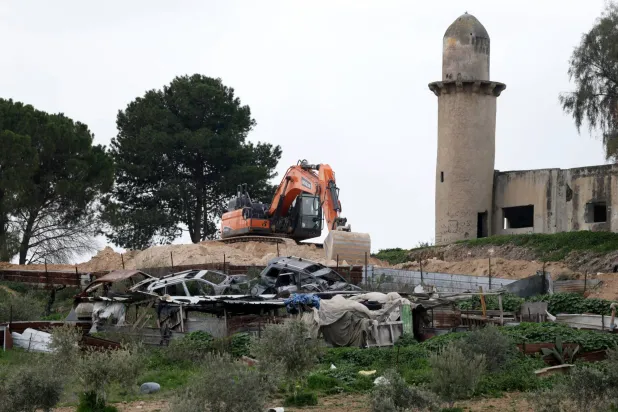
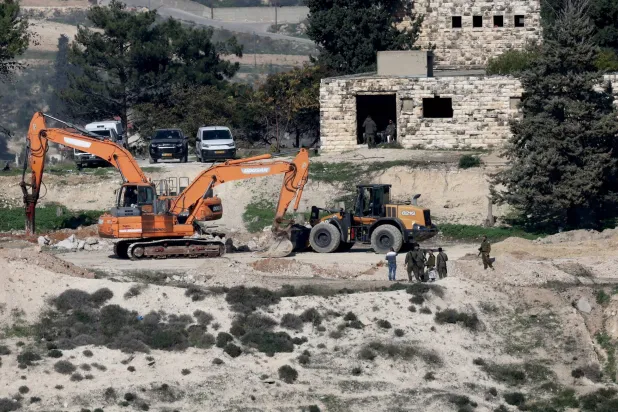
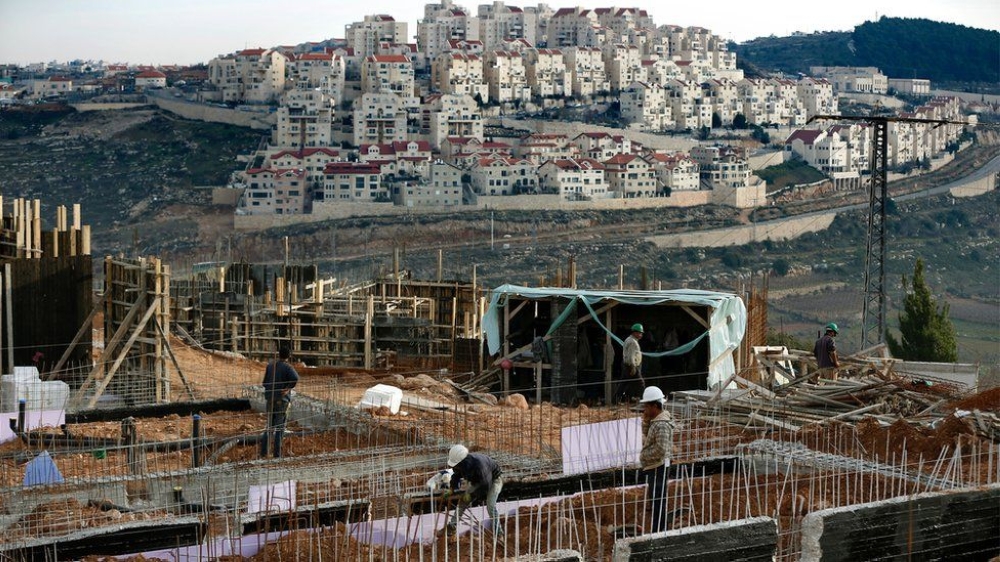
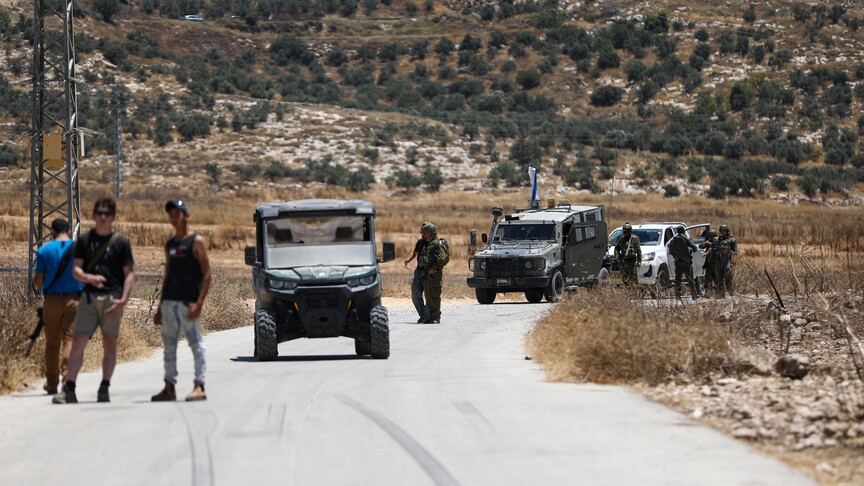
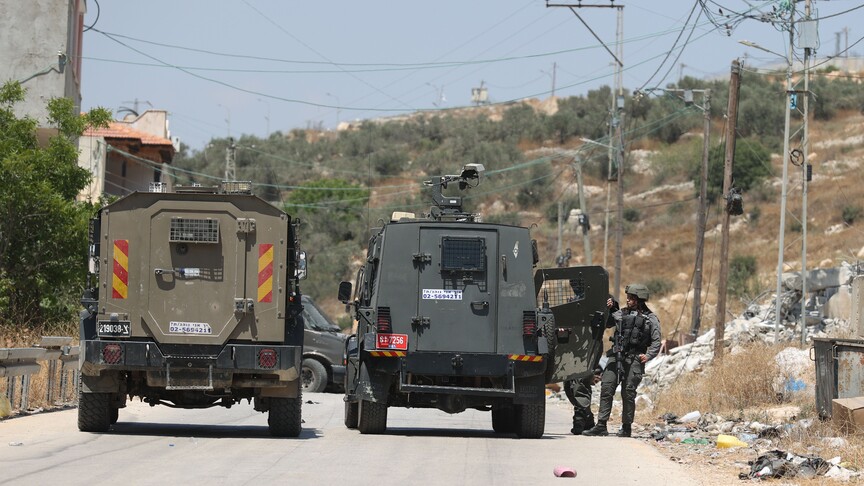
The chosen sites for building new settlements in the West Bank revealed an Israeli plan to turn existing and new settlements into connected settlement belts, aiming to expand them.
The Syrian People's Council entered the one-month deadline to prepare its internal regulations, laws, and select its permanent committees to organize administrative work during its 30-month legislative term, amid assurances of major amendments and changes in the permanent committees, abolishing some and creating others to align with the transitional phase the country is undergoing, but these amendments will be based on the old system; modifying it, adding to it, or abolishing from it.
After the first session on July 12 of this month, which completed its work with members meeting, taking the oath, and electing the executive office, the council decided to adjourn its sessions until July 26 of this month, pending the completion of the draft internal regulations by the tasked committee, followed by member voting and amendments before proceeding to complete the building of its internal structures for the launch of its legislative work.
Article 29 of the Syrian Constitutional Declaration sets the timeframe for preparing the internal procedures regulating the council's work, stating that 'the People's Council shall prepare its internal regulations within one month from its first session.'
Arranging the internal house
With the selection of the parliament speaker and his office of two deputies and a secretary general, People's Council member Bishr Hawi speaks about starting the formation of the team tasked with preparing the internal regulations that determine the council's path and procedures, its convening, elections, membership vacancies, organizational structure, session system and legislative and parliamentary political procedures, oversight means, membership affairs, and general provisions.
People's Council member Bishr Hawi during a dialogue symposium in Aleppo (Archival)
Hawi explains that 'during the long waiting period, from the election of members through the electoral committees, which lasted about 9 months until the first session, some legal members used the time to draft an initial version of the internal regulations to avoid further time loss and to use it technically and practically. Work has actually begun on selecting members of the tasked committee, which will include members who worked on the draft and new others, to prepare the final version.'
The Syrian deputy clarifies that 'the committee' being formed may consist of 7 to 9 members, often including informed legal experts, and will rely heavily on the 'members' draft' which drew on many references, as well as experiences gained from training workshops, and benefiting from advice and experiences of deputies and advanced Arab councils.
Reliance on the previous internal regulations of the Syrian parliament is not ruled out, with new amendments and cancellation of laws, 'except that it remains an existing internal system with positives, in addition to the possibility of relying on Arab internal systems, foremost among them the Jordanian parliament, as the Jordanian experience and its parliament are similar to Syria.'
Members of the Syrian People's Council arrive to attend its inaugural session on Sunday, July 12, 2026 (AP)
Establishing committees and abolishing others
After completing these matters, the transition moves to the stage of selecting parliamentary committees specialized in monitoring the work of ministries, state institutions, and the executive authority, determining committee members, their number and tasks, and finally selection through the internal election system.
According to many Syrian People's Council members contacted by Asharq Al-Awsat, expectations are that committees will be reduced and abolished, and others created, to keep pace with the current transitional phase and the general situation of post-war Syria.
Hawi speaks of fixed committees in all parliaments that cannot be touched, such as the 'Constitutional Affairs Committee' and the 'Arab and Foreign Affairs Committee,' along with 'Economic Committees,' while work is underway to establish committees specialized in the Syrian context, foremost among them the 'Transitional Justice and Accountability Committee,' and the possibility of establishing a 'Civil Peace Committee.'
'These steps are necessary; as they are a foundational basis for the legitimacy of the current People's Council and what it produces, and for organizing its path and work,' Hawi emphasizes, adding: 'When completed, the council will be ready to move to the stage of legislative work and for the parliament to exercise its authority.'
Deputies take the collective oath in the first session that opened the Syrian People's Council (Presidency account)
Since the adoption of the Syrian constitution in 1973, which granted the People's Council the authority to prepare its internal regulations and form its permanent committees at the start of each legislative term, the internal regulations have maintained the tradition of 12 permanent committees with varied competencies covering legislative, oversight, political, service, and financial aspects. In 2017, minor amendments were made to the internal regulations, changing some names while preserving the powers of these committees.
These committees operate by the council speaker referring draft laws to the specialized committees, which study them and consult with the responsible minister or representatives of government agencies in the process of approving new articles or amending others, before referring the special report to the general session for a vote on the decision after hearing the committee's recommendations.
Syrian lawmakers attend the first session of the People's Council in Damascus on July 12, 2026 (EPA)
The committees include: Constitutional and Legislative Affairs, specialized in studying the constitutionality of draft laws and their drafting; Arab and Foreign Affairs, following international agreements and foreign policy; National Security, specialized in defense and national security issues. In addition to Financial Laws for tax, financial, and customs legislation; Budget and Accounts to discuss the draft general budget and audit accounts; Guidance and Orientation; Planning and Production; Services; Interior and Local Administration; Complaints and Oversight; Agriculture and Irrigation; and finally, Environment and Population Activity.
In the 2017 amendment to the internal regulations, new committees were established, such as Public Freedoms and Human Rights, National Reconciliation, and Martyrs and War Victims.
Completing tasks before the deadline
Despite the assumed long period for arranging the new parliamentary house, many Syrian politicians and observers consider the long-awaited first session the most important, and that it is an entry to a new Syria, and an announcement of the completion of the state's quorum with its three powers: executive represented by the government, judicial, and legislative represented by parliament, expecting that the duration of organizational procedures will not be prolonged given the great enthusiasm shown by deputies for the council to begin its work.
This is also confirmed by Syrian People's Council member Aqeel Hussein, who expects the completion of the 'internal regulations draft' by the session of July 26 of this month, 'and with it, the form and number of committees will be determined... and even the vote on forming many of them during the session,' adding that 'the session is expected to carry many organizational works and tasks for council members.'
Original source: Asharq Al-Awsat

Comments (0)
Be the first to comment.