Sudan: Fighting Spreads to El Obeid, Worsening Military and Humanitarian Risks
N'Djamena, Abuja / Anadolu
- Researcher at Turkish SETA foundation Tunç Demirtaş: El Obeid is not just an important city but a vital hub for military movements and supplies
- Head of Mashad Human Rights Organization Ahmed Abdullah: Any military escalation in or around El Obeid could affect hundreds of thousands of civilians
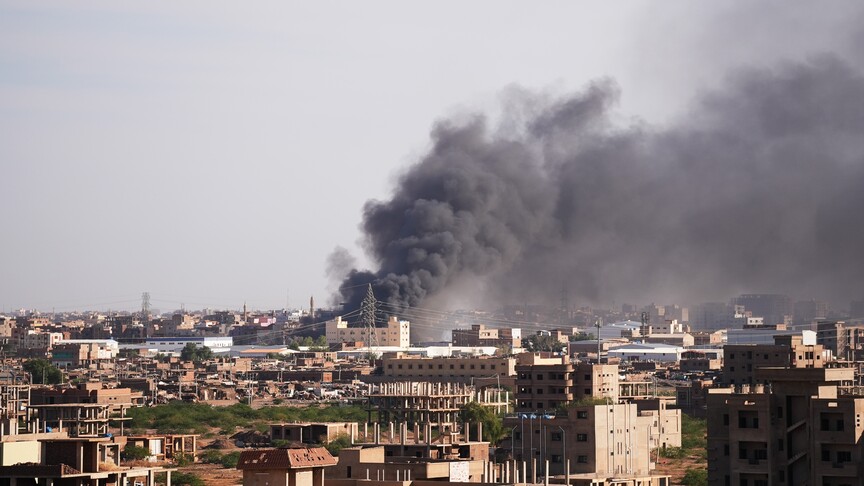
The recent intensification of armed clashes around the city of El Obeid, the capital of North Kordofan state in western Sudan, has raised growing concerns about a shift in military balances and a worsening of the humanitarian crisis in the country.
Experts stress that control of El Obeid is of critical importance for the territorial unity of Sudan, warning that any military escalation in the city could expose hundreds of thousands of civilians to a new humanitarian catastrophe.
** Systematic attacks by the Rapid Support Forces
In an interview with Anadolu, Tunç Demirtaş, a researcher at the Turkish SETA foundation for political, economic, and social studies, said the military dimension cannot be ignored in the ongoing conflict in Sudan, accusing the Rapid Support Forces of launching systematic attacks on civilians and seeking to weaken the institutional capacities of the state.
He stressed the importance of the Sudanese army halting the advance of the Rapid Support Forces, protecting strategic areas, and re-establishing state authority.
He added: 'Without military pressure, it will be extremely difficult to curb the Rapid Support Forces' attacks on civilians, prevent attempts to establish a parallel administration, and protect the country's sovereignty.'
Demirtaş emphasized that military success alone would not be enough, explaining that the capabilities of the Rapid Support Forces largely depend on weapons, funding, logistical capabilities, and networks of mercenaries coming from abroad.
He pointed out that continued support would make consolidating field gains more difficult and could reinforce scenarios of de facto partition of Sudan while prolonging the war.
Accordingly, Demirtaş sees the need to support military action with diplomatic initiatives, international backing, and sanctions targeting external supply networks.
He explained that reaching a real political solution will not be possible until external support channels to the Rapid Support Forces are curtailed.
** The importance and weight of El Obeid
The Turkish expert pointed out that El Obeid is not only an important city but also a vital hub for military movements, logistical flows, and supply lines, especially as it lies at a crossroads linking Khartoum to the Darfur region and southern Sudan.
He said the Rapid Support Forces follow a strategy in cities that targets not only military sites but also civilian life, adding that attacks on electricity infrastructure, fuel depots, and transport networks aim to make cities uninhabitable.
Demirtaş predicted that clashes in the coming period would focus on energy facilities, supply corridors, and transport networks, rather than city centers alone.
He continued: 'Protecting El Obeid for the Sudanese army is not only of military importance but is also necessary for the continuation of civilian life and maintaining the connectivity between the east and west of the country.'
Regarding the arms embargo, Demirtaş explained that the international community must distinguish between the state and non-state armed groups, indicating that sanctions should target the Rapid Support Forces and their supporters who act against the Sudanese state.
He stressed that sanctions must include companies, financing networks, entities benefiting from gold trading, and logistical mechanisms that contribute to sustaining the military capabilities of the Rapid Support Forces.
He affirmed that strengthening state institutions and establishing a comprehensive political ground during the reconstruction phase are vital for achieving lasting peace.
** Civilians pay the price
For his part, the head of Mashad Human Rights Organization, Ahmed Abdullah, said the humanitarian situation in conflict zones in Sudan 'has reached a critical level.'
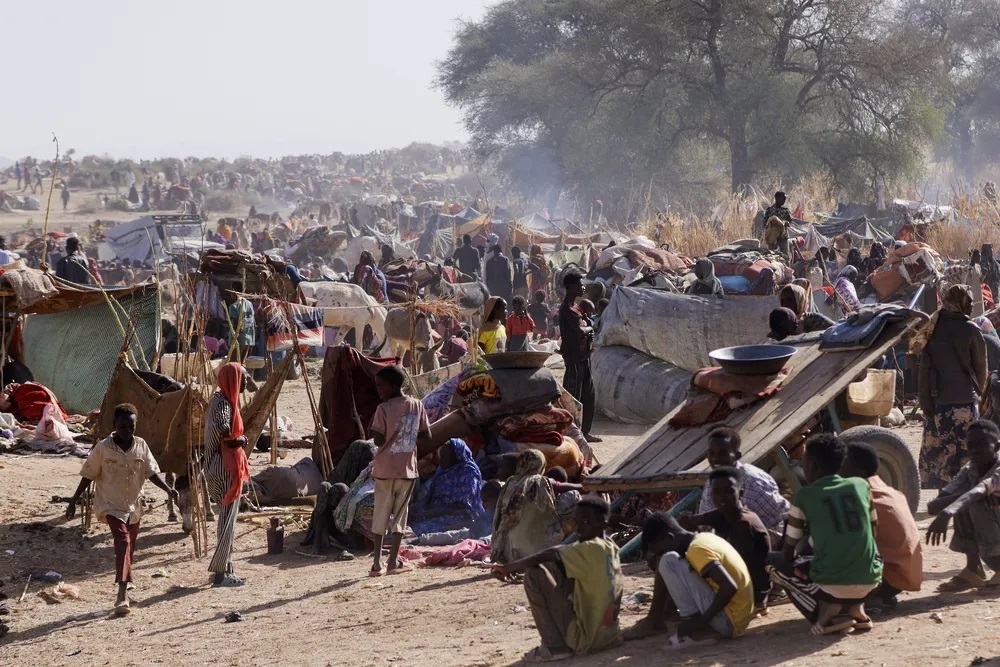
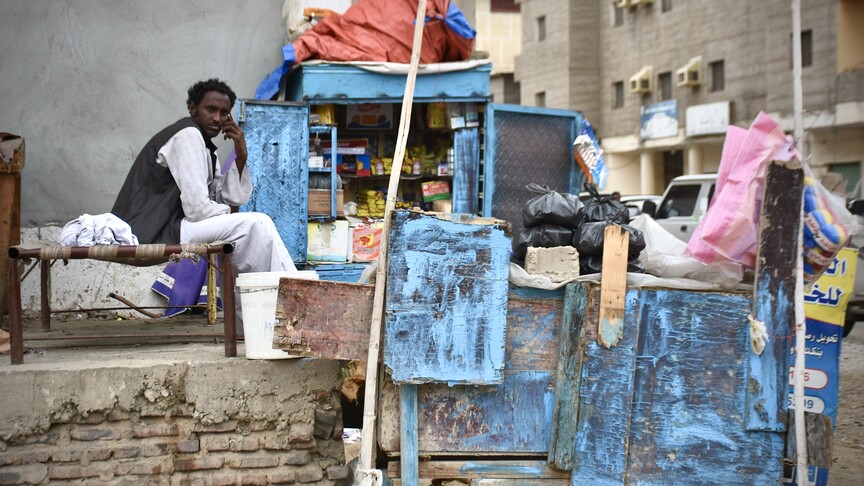
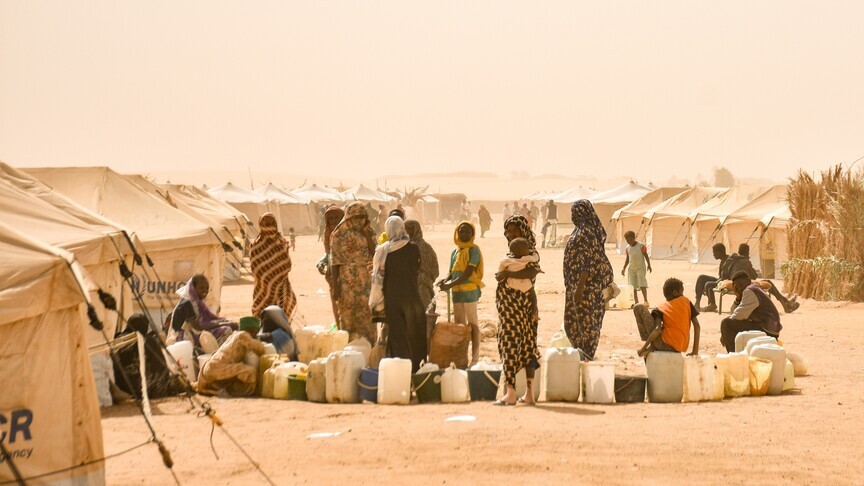
He explained that millions of civilians face displacement, the collapse of basic services, and difficulties in obtaining food, healthcare, and clean water.
He added: 'Sudanese civilians are caught between the parties to the conflict in many areas, and they are paying the highest price in terms of their lives, dignity, security, and future.'
** Darfur violations
Abdullah said his organization has documented grave and systematic violations committed by armed groups against civilians in Darfur.
He explained that deliberate killings, sexual violence, forced displacement, burning of villages and camps, and targeting of civilian infrastructure constitute clear violations of international law.
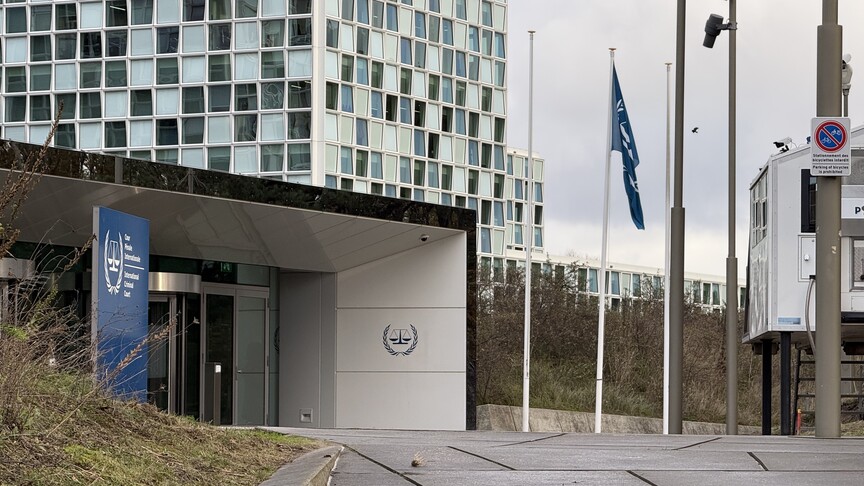
He added that independent international reports have also uncovered grave violations in Darfur that may amount to war crimes and crimes against humanity.
Abdullah stressed the need to hold perpetrators of grave violations accountable to achieve lasting peace and prevent impunity.
** Humanitarian danger
He warned that civilians in El Obeid also face very high risks, indicating that the expansion of military operations and the obstruction of humanitarian aid delivery could deepen the crisis in the city.
He added that any military escalation inside or around El Obeid could affect hundreds of thousands of civilians, calling on all parties to the conflict to abide by their commitments under international humanitarian law and to refrain from targeting civilians and civilian infrastructure.
He also called on the United Nations, the African Union, and international partners to take urgent steps to prevent the crisis from widening, warning that continued inaction could lead to a new humanitarian catastrophe in North Kordofan.
Original source: Anadolu Agency

Comments (0)
Be the first to comment.