America’s decades-old bipartisan consensus on Israel has been shattered

The Democratic establishment has faced growing pressure to change its stance on Israel. It has finally begun to do so.

By Said Arikat
A Washington-based journalist.
Shifting dynamics within the U.S. political landscape have increasingly placed foreign policy decisions under intense domestic scrutiny.
Published On 22 Jul 202622 Jul 2026

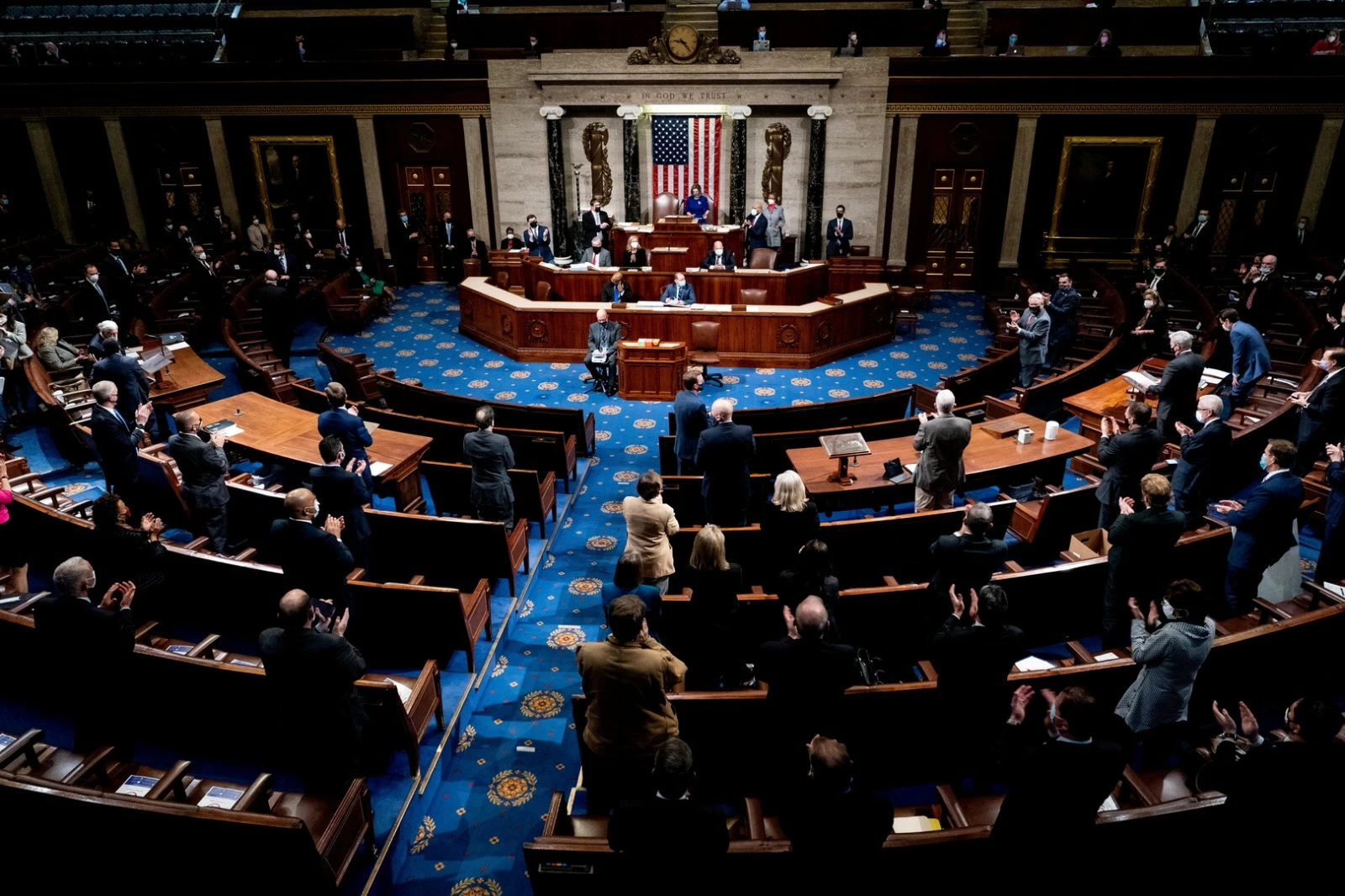
Over a hundred House Democrats voted last week to suspend military assistance to Israel. Even though the measure failed as nearly all Republicans and a faction of Democrats opposed it, the vote revealed a far deeper reality than the final tally: the long-standing bipartisan agreement that protected Israel from serious congressional oversight for decades is starting to break down.
For generations, supplying military aid to the Israeli military stood as one of Washington's most inviolable policies, upheld jointly by both political parties, powerful pro-Israel advocacy groups, and foreign policy elites who viewed it as a pillar of U.S. strategy in the Middle East. Today, that foundational agreement is no longer set in stone.
Nothing better illustrates this transformation than Representative Nancy Pelosi’s vote. For decades, Pelosi was among Israel’s most dependable Democratic allies. Yet the former House speaker joined more than 100 members of her party in supporting an end to military assistance, arguing that Americans were demanding an end to a perpetual cycle of war. Her vote reflected a political reality Democratic leaders can no longer ignore: The party’s base has fundamentally changed, and old assumptions about Israel no longer command automatic loyalty.
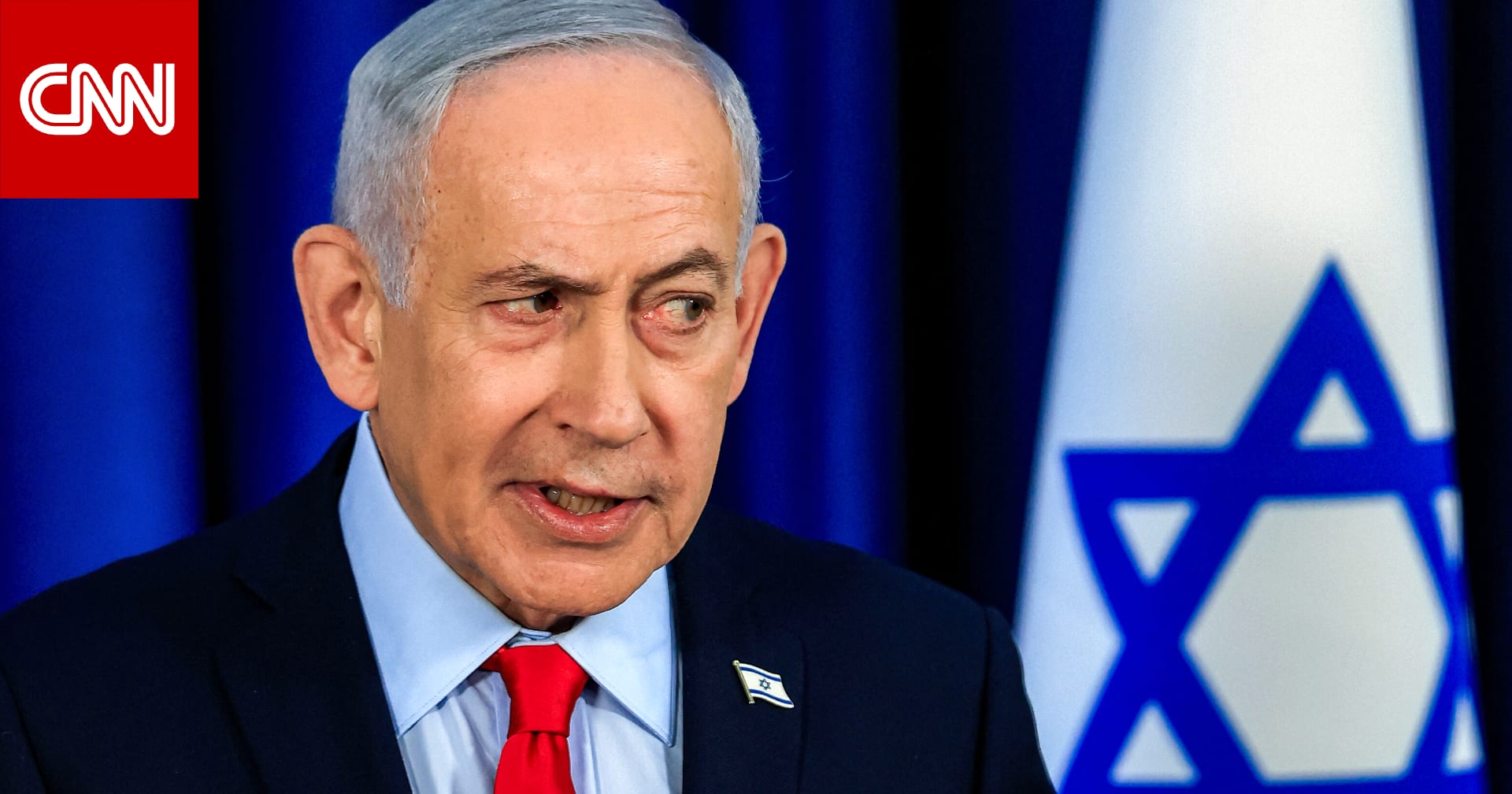
The transformation had been building for years, but Israel’s war on Gaza became the decisive turning point. Long before the conflict, many Democrats had grown uneasy with relentless settlement expansion, the collapse of a meaningful peace process, and Prime Minister Benjamin Netanyahu’s alliances with far-right parties hostile to Palestinian statehood. Israel was shifting in Democratic minds from an indispensable ally into a political and moral liability.
Gaza fundamentally altered the debate. The unprecedented destruction and civilian suffering – broadcast in real time through social media – transformed years of quiet unease into an unmistakable demand for accountability.
The transformation did not begin in Congress – it began on university campuses. From the earliest weeks of Israel’s war on Gaza, student organisers emerged as the moral and political vanguard of a movement that challenged decades of bipartisan orthodoxy.
Encampments, teach-ins and demonstrations spread from Columbia University on the East Coast to UCLA on the West, transforming Gaza from a distant foreign policy issue into one of the defining domestic political questions confronting a new generation. What began as campus activism quickly evolved into a broader generational revolt against the Democratic Party’s traditional approach to Israel.
Rather than recognising the depth of that shift, much of the Democratic establishment chose confrontation over engagement. Many party leaders defended aggressive crackdowns on student protests. Images of peaceful demonstrators being arrested, suspended and forcibly removed convinced many younger voters that Democratic leaders were more interested in preserving an outdated foreign policy consensus than listening to their own base.
The political consequences were significant. The crackdowns ended the sit-ins, but did not restore party unity; they accelerated the estrangement of younger and progressive voters, weakening enthusiasm in key Democratic constituencies.
In the 2024 elections, that disconnect became starkly visible. The Democrats not only lost the presidential race but also several seats in Congress, losing control of the Senate. While Gaza was not the only issue, it became one of the clearest examples of what happens when a party establishment underestimates a profound generational shift. Rather than extinguishing the movement, the attempt to suppress it accelerated the Democratic Party’s internal reckoning over Israel.
This year’s election cycle has reinforced that lesson. Progressive candidates have defeated incumbents by openly rejecting unconditional military aid and refusing campaign contributions from influential pro-Israel organisations. Those victories demonstrate that criticising Israeli government policy is no longer an electoral liability in many Democratic primaries – it has become a political advantage.
At both the state and federal levels, Democratic lawmakers increasingly speak of conditions, accountability, compliance with international law and strategic recalibration – concepts once confined to the margins of debate. The question is no longer whether Israel should receive American support, but what conditions should accompany that support and whether Israel should remain exempt from standards Washington applies to other allies.
The result is the most significant political realignment on Israel in a generation. Congress still possesses the votes to preserve military assistance. What it no longer possesses is the bipartisan consensus that once made such support politically automatic and virtually untouchable. The importance of last week’s vote lies not in its immediate legislative effect but in what it revealed about the future direction of American politics.
The implications for Israel are potentially historic. For decades, successive Israeli governments built their national security strategy on the assumption that American military assistance and diplomatic backing would remain bipartisan and largely unconditional. The billions in US military aid have financed advanced fighter aircraft, missile-defence systems, precision-guided munitions and joint military research that underpins Israel’s qualitative military edge.
If the bipartisan consensus continues to erode, that assumption may no longer hold. Future Democratic administrations or Democratic-dominated Congresses may not eliminate military assistance altogether, but they are increasingly likely to condition it on civilian protection, curbing of illegal settlements, humanitarian access, or compliance with international law.
Israel would lose not only the certainty that has underwritten long-term military planning but also the political guarantee that Washington would automatically shield it from mounting international pressure. Israeli governments would increasingly have to weigh the political consequences of their actions alongside military calculations.
In that sense, the erosion of the bipartisan American support may prove to be one of the most consequential strategic challenges Israel has faced in decades – not because the alliance is ending, but because it is becoming conditional.
Whether Israeli leaders recognise it or not, the political ground beneath the US-Israel relationship has shifted – and political foundations, once they begin to erode, can disappear far more quickly than they were built.
The views expressed in this article are the author’s own and do not necessarily reflect Al Jazeera’s editorial stance.
The shifting stance among Democrats highlights a generational realignment on foreign policy that party leadership can no longer dismiss. As public pressure mounts from younger voters and activist networks, the future of unconditional U.S. military assistance to Israel remains a central flashpoint in American politics. Observers will be watching to see how upcoming legislative sessions handle future aid packages and whether grassroots dissent permanently alters congressional voting patterns.
Original source: Al Jazeera




Comments (0)
Be the first to comment.