Andy Burnham: Why is the new British Prime Minister an enigma to everyone?
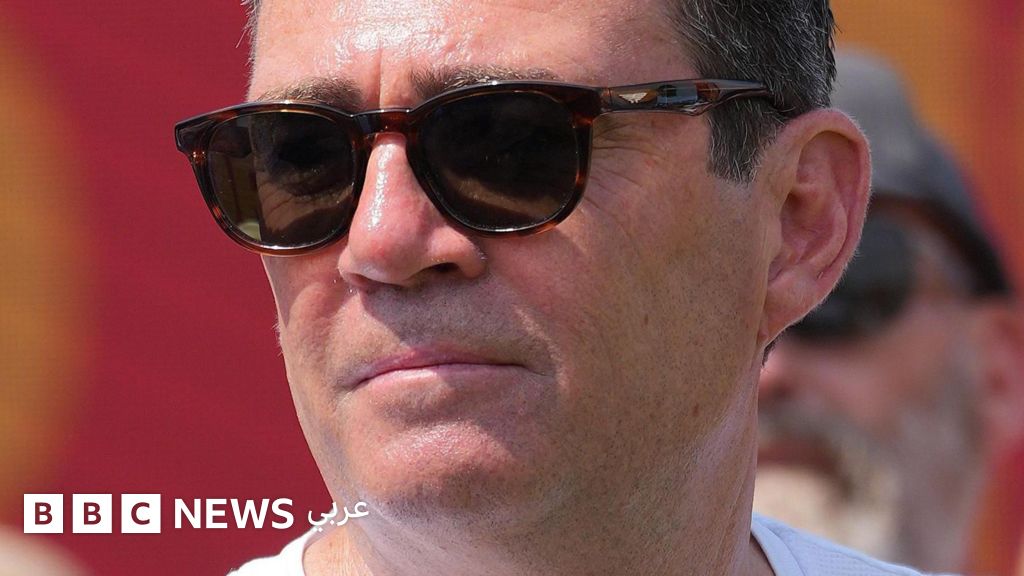
The main idea Burnham has championed since being elected leader of the Labour Party is greater decentralization—shifting power and funds from London to local regions—but it remains largely vague.
Andy Burnham: Why is the new British Prime Minister an enigma to everyone?
Article Information
Author: Rob Watson, Role: UK Political Correspondent
Published: 8 minutes ago
Reading time: 4 minutes
Rarely in recent years has anyone assumed the office of British Prime Minister with as little scrutiny as Andy Burnham (who has not yet officially taken up his duties).
Because the ruling Labour Party ultimately decided to adopt a "coronation" rather than hold a leadership election, there was little debate over his policies or style of governance.
The advantage was avoiding damaging public divisions within the party, but the downside was a lack of sufficient opportunity to test the abilities of its new leader and Prime Minister.
Soon, of course, we will know what kind of Prime Minister he will be.
But it is worth remembering that Burnham is not widely known outside of Greater Manchester—where he has served as mayor for the past ten years—so everyone will be going on a journey of getting to know him.
Who is Andy Burnham, the frontrunner for British Prime Minister?
"Britain is not ungovernable... its leaders just don't know how to govern."
What we know about Burnham suggests a personality that is both an outsider to the political establishment and an insider at the same time—and like most politicians these days, he prefers to emphasize the former.
He is an outsider thanks to his upbringing in a working-class family in the north of England, and an insider because, after attending the prestigious University of Cambridge, he quickly became involved in the world of politics as one of the bright young talents in the then-Labour governments led by Tony Blair and Gordon Brown.
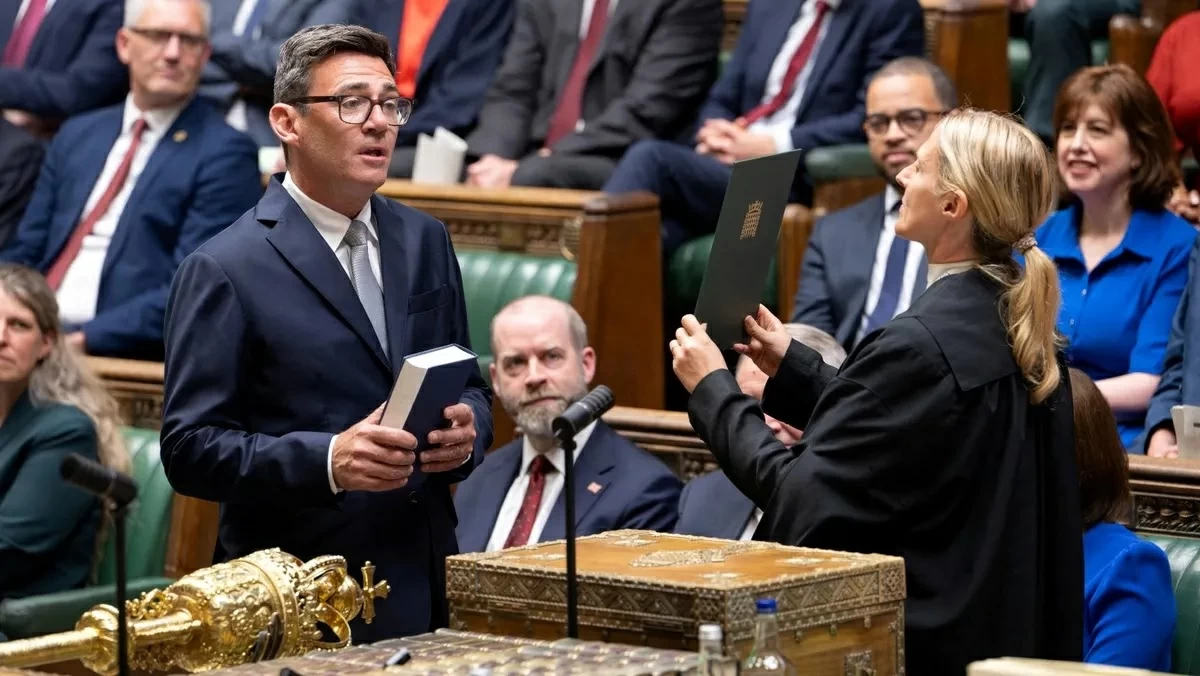
Image caption: Burnham loves football, but can he make his way from the left wing?
As for his personality, Burnham is keen to present himself as an ordinary man whom ordinary people can relate to. He likes beer, fish and chips, and loves talking about football and music, appearing more modern than most contemporary politicians.
Skip most read and continue reading
Iran intensifies its attacks in the region and warns of a "more devastating" response to US strikes
Messi and Lamine Yamal face-off: "A true miracle created by fate"
Why do mosquitoes bite some people more than others?
Signs of coordination between the Houthis and the Somali Al-Shabaab movement to control the Bab el-Mandeb Strait – The Telegraph
Regarding his political views, Burnham says they were shaped by his adolescent hatred of Margaret Thatcher’s Conservative governments in the 1980s, which pursued policies of privatization and economic liberalization that he blames for the industrial decline and deteriorating morale in the north of England, where he grew up.
Now, as before, Burnham clearly remains on the center-left.
Like most European leftists, Burnham generally views the state as a positive thing and focuses his attention on the less wealthy segments of society.
He frequently criticizes the "neoliberalism" that has prevailed over the past forty years, which he believes has failed the general public.
However, what he specifically means by this is not entirely clear, and he has never appeared deeply influenced by ideologies or interested in the minutiae of policy.
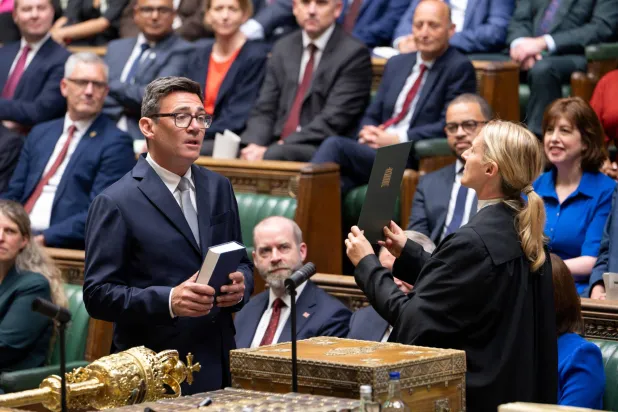
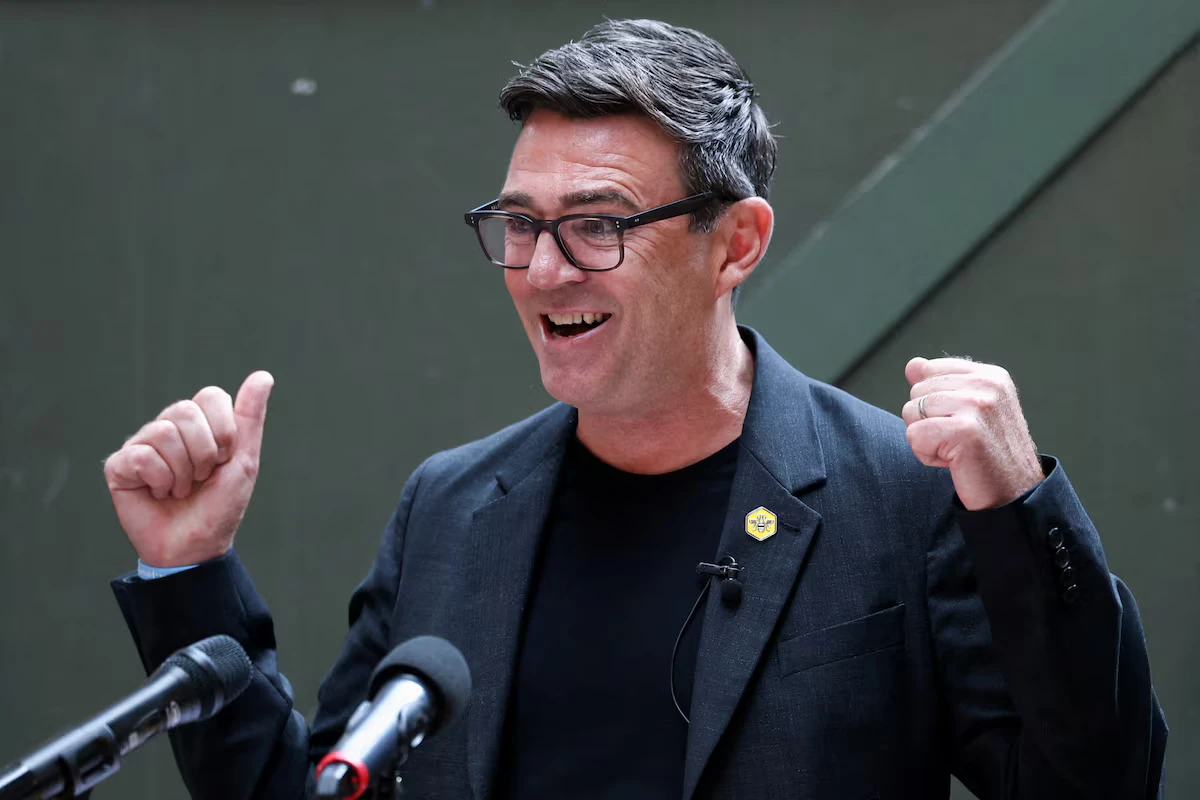
Image caption: Burnham’s main idea, delegating more powers to local authorities, remains largely vague.
But will Burnham bring about radical change in British foreign or domestic policy? In short, we do not know, given his sparse statements.
Regarding domestic policy, there are enormous constraints; Britain is a country with low growth and high debt, and public spending and tax levels have reached record highs.
Thus, despite the Labour left's desire for more government intervention, it will not be easy, and Burnham’s government will be constrained by the party’s promise, made in the last election, not to raise most taxes or allow excessive borrowing.
The main idea that Burnham has championed since his election as Labour leader is greater decentralization—that is, shifting power and money from London to local regions—but it remains largely vague.
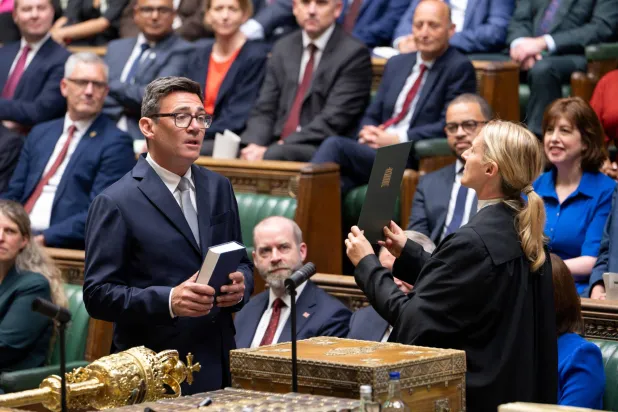
Image caption: Like Sir Keir Starmer, Burnham will certainly seek to strengthen relations with the European Union.
Regarding foreign policy—a topic Burnham has not spoken much about throughout his career—expect more continuity than change.
Since foreign policy is shaped by geography, history, national interests, and events, rather than party politics or the personal whims of leaders, this continuity is not surprising.
Like Sir Keir Starmer, Burnham will certainly seek to strengthen relations with the European Union, albeit not excessively, and promote the importance Britain attaches to the rule of law, international norms, and multilateral organizations such as the United Nations.
He will also seek to maintain Britain's special relationship with the United States, though not necessarily with President Donald Trump personally, even if he will certainly try to do so.
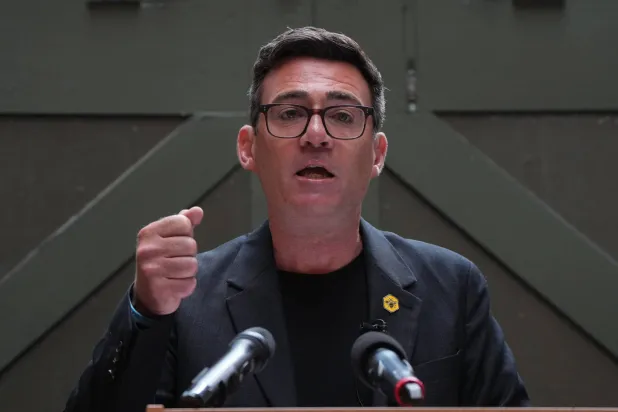
Image caption: The good news for Burnham is that the popularity of the Green and Reform parties may have peaked (and thus will not increase).
As for the challenge facing Burnham in becoming Britain’s seventh Prime Minister in ten years, this remarkably high rate of change is in itself an indicator of the scale of the task ahead, but there is good and bad news for Burnham.
The bad news is the sheer scale of the economic and social challenges that brought down his six predecessors.
The good news for Burnham is that the popularity of insurgent parties on the populist left and right, particularly the Green Party and Reform UK, may have peaked (and thus will not increase) — perhaps.
Ultimately, a great deal of mystery surrounds Burnham. Is he, as some fear, a likable character who lacks political gravitas, or is he, as Labour MPs hope with varying degrees of optimism, a serious statesman waiting for his chance?
Skip short clips and continue
Short clips
End of short clips
British Prime Minister Keir Starmer announces his resignation: June 22, 2026
Britain after Starmer's resignation... where is the political scene heading? June 23, 2026
United Kingdom: 12 people arrested for threatening an Islamic event in Suffolk: July 13, 2026
Original source: BBC Arabic
Comments (0)
Be the first to comment.