American leaders ignored intelligence warnings before strike hit school in Iran
Sources told CNN that ignoring warnings about outdated intelligence contributed to a US strike that hit a school in Iran, and the investigation is ongoing.
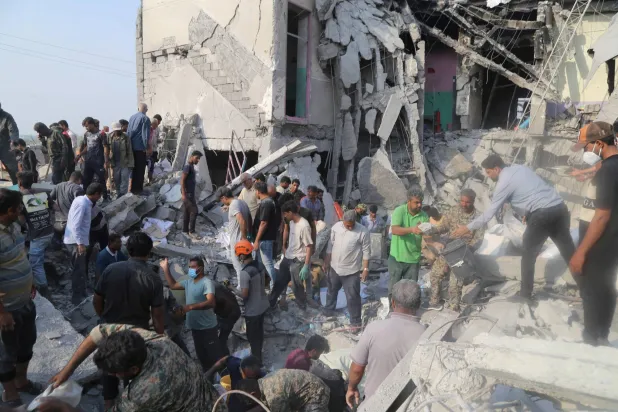
CNN reported, citing three informed sources, that senior US military leaders ignored warnings within military databases that intelligence information on targets inside Iran was outdated and needed to be re-verified before approving airstrikes, including one that hit a school in the city of Minab, killing about 200 people, including 168 children and 14 teachers, according to official Iranian media.
The sources said the targeting system included alerts confirming that the information used was years old and required updating before approval. However, senior leaders bypassed those warnings in order to speed up the preparation of the target list as military operations began, which contributed to the mistaken strike, according to the sources.
The network quoted one source as saying that US military officials knew within days how the error occurred, adding that the information used was clearly outdated. Despite months having passed since the incident, the US Department of Defense (Pentagon) has not released the results of the investigation.
A White House official confirmed to the network that the investigation is still ongoing, stressing that the United States does not target civilians.
According to the network, the strike occurred on February 28 as US forces targeted a nearby facility belonging to Iran's Islamic Revolutionary Guard Corps. Satellite images showed that the school was part of the military complex until 2013, before being separated from it by a fence and independent entrance since 2016, changes that were not reflected in the military database used for targeting.
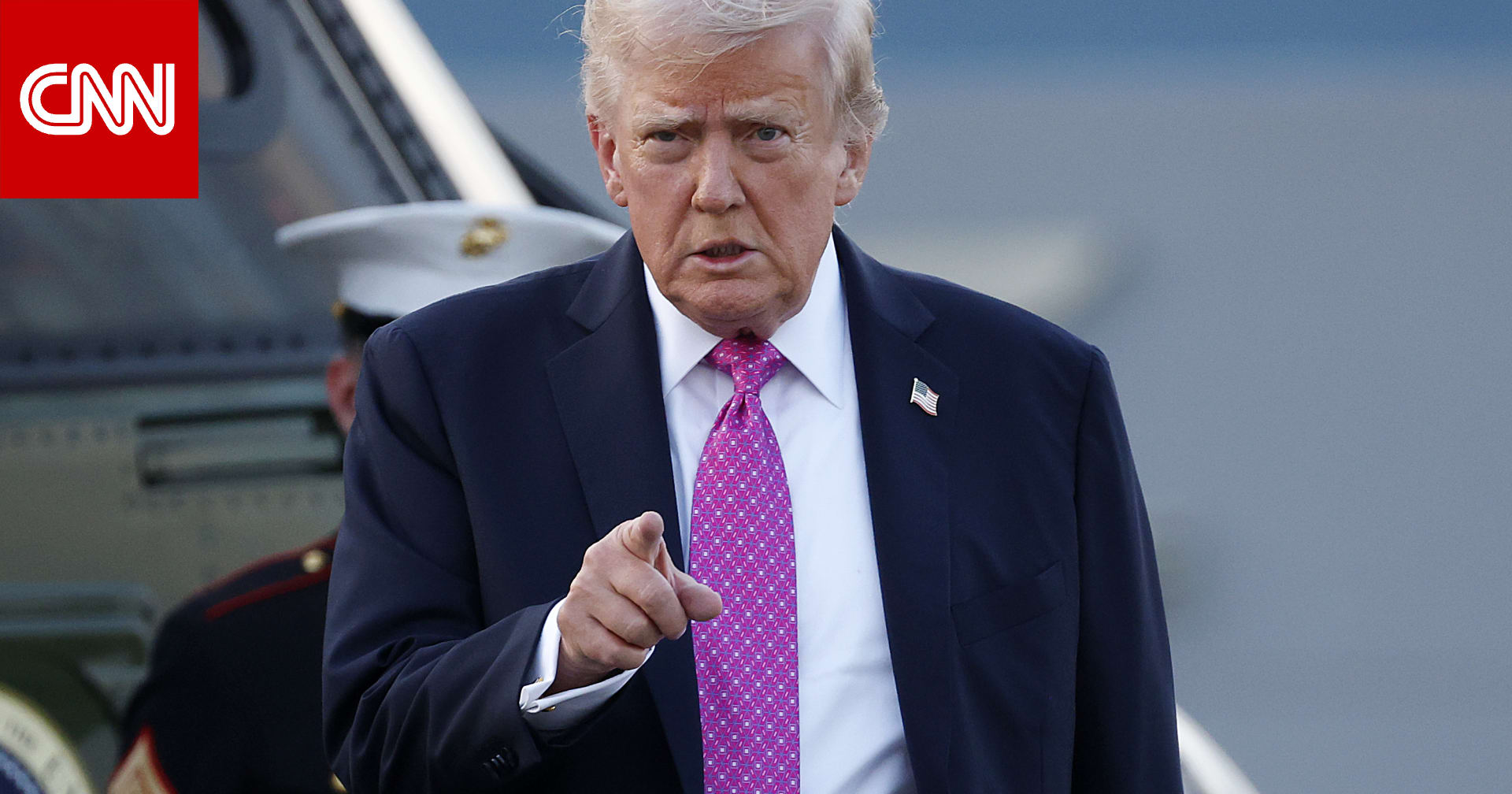
The sources explained that US President Donald Trump's decision to launch military operations preceded the completion of updating data on thousands of targets inside Iran, leading to the use of information, some of which was more than 10 years old. Priority was given to updating data on targets considered most threatening, such as missile and aircraft sites, while data on stationary sites, including the one that was bombed, remained unupdated.
0 seconds of 0 secondsVolume 90%
Press shift question mark to access a list of keyboard shortcuts
00:00
00:00
00:00
CNN also revealed that an intelligence analyst had spotted changes at the site via a separate digital system, but this information was not integrated into the official targeting database and thus did not reach military leaders.
The network added that senior Pentagon officials pressured US Central Command to provide targets quickly before and during the war, increasing pressure on intelligence analysts. It also indicated that Secretary of War Pete Hegseth's reduction of civilian harm mitigation teams by more than 90 percent may have contributed to the increased risk of such errors.
Hegseth said the strike would be subject to a thorough investigation, stressing that the United States did everything in its power to avoid civilian casualties.
Original source: Asharq Al-Awsat



Comments (0)
Be the first to comment.