Burnham officially leads Labour and makes 5 promises to Britons
SummaryAndy Burnham is on the threshold of becoming Prime Minister of the United Kingdom after winning the leadership of the Labour Party unopposed, set to officially take over from Keir Starmer next Monday. The man from Manchester inherits a sluggish economy, a divided party, and a notable rise of the populist right, while thorny foreign files await him, amid anticipation for his first cabinet formation.
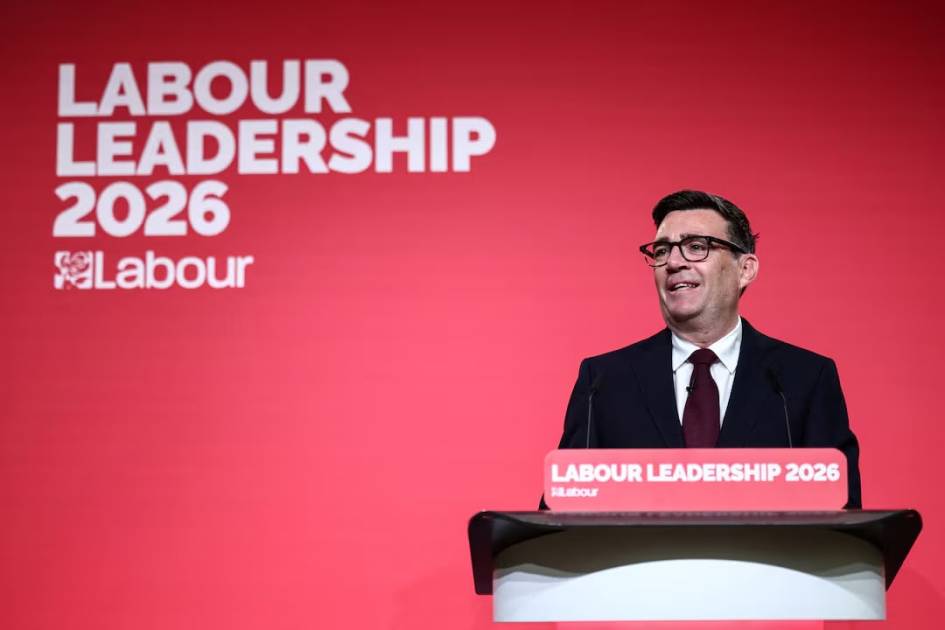
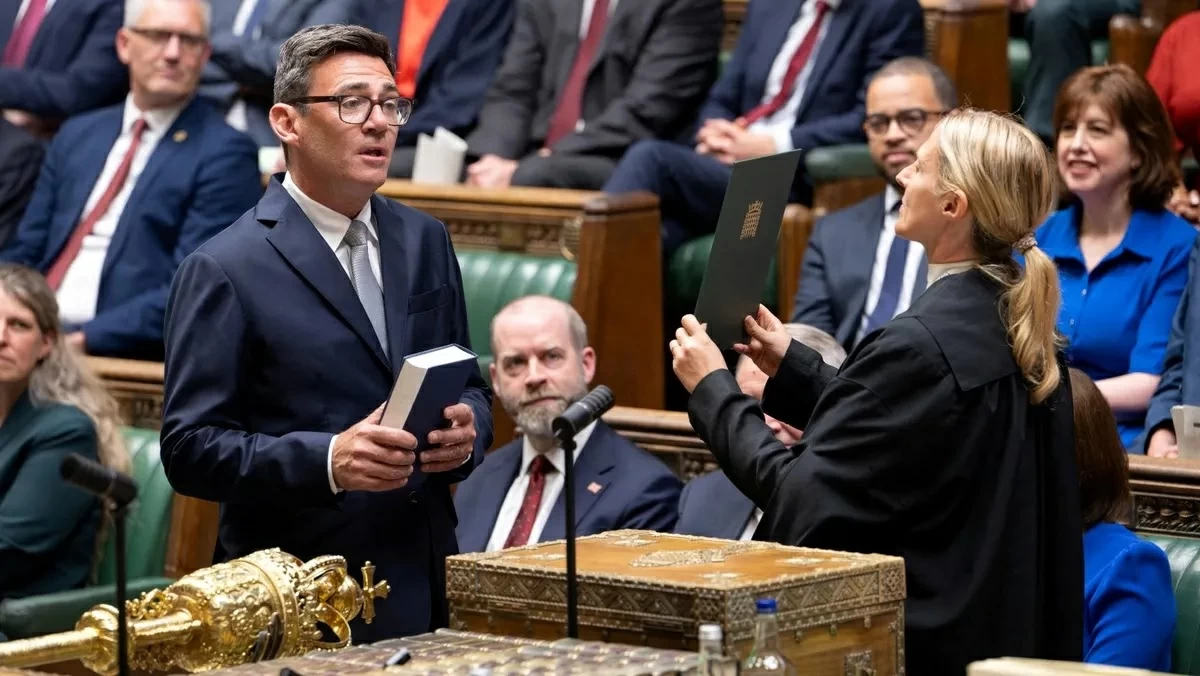
Andy Burnham is preparing to enter 10 Downing Street as Prime Minister of Britain. Today, the ruling Labour Party held a special conference to confirm him as its new leader, and next Monday he will visit Buckingham Palace to meet King Charles III and receive his mandate to form the new government. Amid warm applause, Burnham ascended to the podium at his inaugural conference as leader of the ruling Labour Party, and in his northern accent he pledged to do five things that would restore hope to the British people, as he put it.
Burnham's first pledge is to build one team, criticising the history of divisions that have burdened Labour, and said that a divided party cannot 'defeat the new right if it is preoccupied with internal conflicts.' Burnham pledged a new kind of politics, noting that voters have lost interest in politicians, and he aims to reverse this general trend, leading him to pledge to seize the 'last chance for change for the Labour Party.'
Burnham also aims to 'hone the political direction' of Labour. He has no objection to the party cooperating with other parties, but 'with boldness and confidence in its plans and goals, not by adopting the policies of this or that party.' He said, in a jocular manner, that he will not 'compete with the Green Party on environmental plans, nor with Reform on the immigration file.'
In his fourth promise, Burnham said he would be leader of the entire United Kingdom, and in his final commitment he reiterated his pledge to implement devolution, transferring powers from Westminster to local councils, and said he wants to return power to all regions across the country.
Burnham is nicknamed 'King of the North' for winning three consecutive elections for Mayor of Greater Manchester. He became Labour leader on his third attempt after two failed ones in 2010 and 2015 when he lost to Ed Miliband and Jeremy Corbyn respectively.
Burnham will be the seventh Prime Minister of the United Kingdom in a decade. The rise of the 56-year-old man culminates an internal crisis that has hit the Labour Party since spring of this year. The government faced criticism from various political spectra: the right attacked its approach on immigration and tax, while the left denounced its stance on the Gaza war and welfare reforms. These divisions resulted in poor results for the party in the 2026 local elections, with big gains for the Reform and Green parties.
By mid-May, more than 95 Labour MPs were demanding Keir Starmer resign or set a timeline for his departure, while Health Secretary Wes Streeting and four other officials resigned in protest against his leadership. After Burnham won the parliamentary seat of Makerfield, Starmer resigned from the party leadership and remained as head of a caretaker government.
Read more
Andy Burnham... 'King of the North' feared by Starmer and Farage
Starmer pledges support for successor Andy Burnham in farewell parliamentary session
Burnham reaches UK leadership in a Labour first
Economic and administrative promises
Burnham has already made a number of pledges, topped by the economy. In his first speech as party leader, he said making the economy work for people across the United Kingdom requires a new direction different from the one the country has taken for the past 40 years. He promised a quintessential Labour economic programme based on expanding public ownership of utilities such as water and reindustrialisation, and a government focused on driving growth in every region and returning power to local communities. Meanwhile, Burnham was careful to reassure markets, committing to the fiscal rules set by Rachel Reeves and the election manifesto pledges not to raise income tax, VAT, or national insurance, but he refused to rule out a wealth tax.
Before assuming leadership, Burnham floated ideas including raising council tax on expensive homes in London and the South East, borrowing £40 billion to build social housing, and cutting income tax for low earners while imposing a 50% rate on top earners. However, what is said before taking power remains subject to various changes.
Transferring powers outside London is a central theme in Burnham's project. He pledged to give regions outside London more autonomy and powers, in response to accusations that successive governments have neglected cities outside South East England. He also spoke about his desire to push powers to local leaders outside Westminster as part of his devolution agenda, and to establish another government headquarters in Manchester in the north of the country.
Internal challenges
Several internal files are on the 'King of the North's' priority list. First is the cost of living crisis and the choice of Chancellor to revive a stagnant economy groaning under a large domestic debt. Added to that is the immigration file, which remains a top priority for British voters, whether related to legal immigration or the small boats crisis in the English Channel, where more than 11,000 migrants have crossed the Channel this year despite reforms introduced by Home Secretary Shabana Mahmood.
Funding the Ministry of Defence and military spending will also be among the main challenges awaiting Burnham, noting that he has shown a greater willingness to borrow to finance the armed forces. The biggest political challenge, however, is the rise of Reform. The Prime Minister-elect has already called for a real plan for the country that includes a plan to defeat the populist party, while academics warn that Labour's popular support has bled heavily, and the party has lost more support to the Greens.
Managing the Labour parliamentary group in parliament is no less complex than running the country. The man who reached the leadership of the ruling party unopposed faces questions about the legitimacy of this path, as MP John Slinger said, 'the public will think the party has lost its mind a bit if it does not subject those aspiring to the highest office to a proper vetting process.' Moreover, expectations are high among the party's left wing. A left-wing MP has set a task list for Burnham including tackling youth unemployment, transformative economic policies, and major political reform, warning that the red line for withdrawing support is his failure to deliver on his promises to the people of Makerfield who voted for him hoping for change.
Burnham promises a different leadership style, and pledged in his inaugural speech that Labour under his leadership would be more united, praising the achievements of his predecessor's government since 2024 on workers' rights, the National Health Service, and the passage of the 'Hillsborough Law' that imposes a duty on public officials to tell the truth in major inquiries. The law came in response to the 1989 Hillsborough stadium disaster in which 97 Liverpool fans died, and Burnham fought long for justice for its victims.
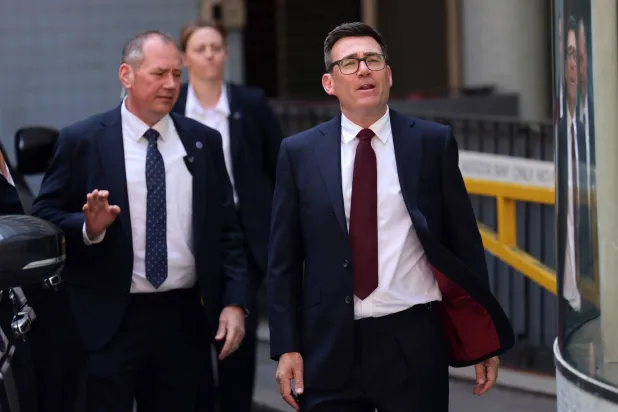
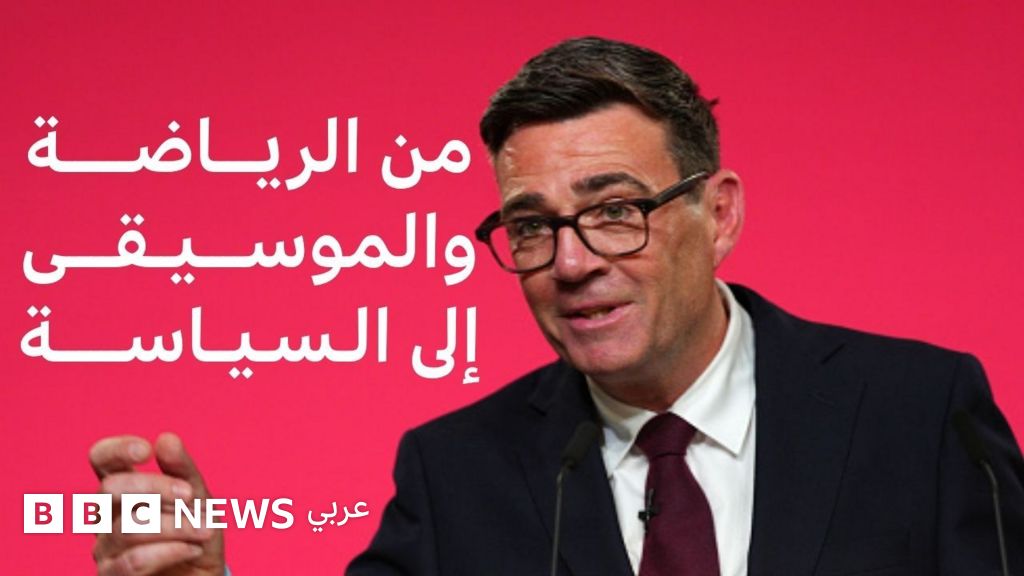
Burnham takes over Number 10 from predecessor Starmer next Monday (Getty)
Foreign affairs
Original source: Independent Arabia

Comments (0)
Be the first to comment.