Decapitating the Octopus: How America Assassinated Qasem Soleimani
"); googletag.cmd.push(function() { onDvtagReady(function () { googletag.display('div-gpt-ad-3341368-3'); }); }); }
Summary
The behind-the-scenes of the assassination of Qasem Soleimani, which represented a shift in U.S. strategy toward Iran from limited targeting of proxies to cutting off the head of the octopus, as former U.S. Secretary of State Mike Pompeo says in his memoirs, noting that Soleimani was the mastermind of the regional influence network and responsible for threatening American interests.
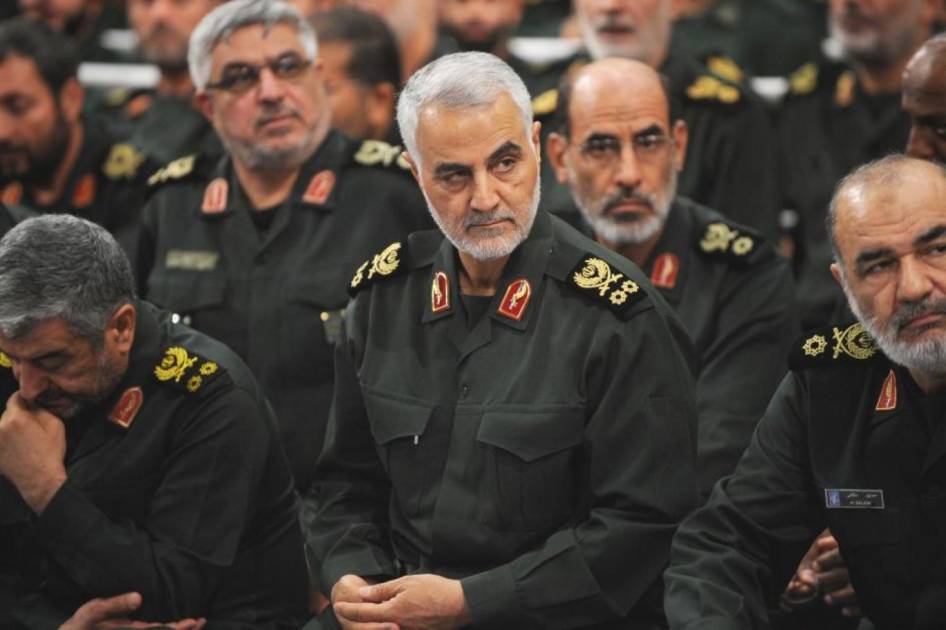
For Mike Pompeo, January 1, 2020, was not a New Year's Eve celebration, but rather the peak of preparation to drive the final nail into the coffin of the appeasement policy pursued by the Obama administration in dealing with Iran for eight years. After withdrawing from the "naive" nuclear deal, as the former U.S. secretary of state describes it, and launching the "maximum pressure" campaign, the first Trump administration realized it was time to cut off the "head of the octopus" without being satisfied with the tentacles. The target was Qasem Soleimani, commander of the Quds Force, who for decades managed the project of exporting the Iranian revolution through a network of proxies stretching from Iraq to Yemen.
Warning Message
Pompeo revealed in his memoirs titled "Never Give an Inch: Fighting for the America I Love" that he had been monitoring Soleimani for years before taking the helm of the State Department. When he was director of the Central Intelligence Agency, he sent him a message saying, "We will hold you and Iran responsible for any attacks targeting American interests in Iraq carried out by forces under your command."
Pompeo disclosed that message at a security conference in California on December 2, 2017, to announce a major shift in U.S. policy toward Iran. As he says, "Before the Trump administration, the United States responded to Soleimani's attacks by killing a limited number of his operatives, which imposed no significant cost on him, and he might have mocked this weak response. But now, Soleimani knew that era was over," meaning he was no longer immune from American fire.
To illustrate Soleimani's influence and unchecked audacity, Pompeo recalls his 2017 meeting with former Iraqi Prime Minister Haider al-Abadi, when he asked whether Iraq could stop importing electricity from Iran if the United States provided financial support. Al-Abadi looked at him directly and said, "After you leave, Qasem Soleimani will come to visit me. You might take my money, but he will take my life."
Soleimani did not respond to Pompeo's message, but the latter achieved his goal, which he expressed by saying, "I wanted Soleimani to understand that America is not afraid of him." The former official explains in his memoirs published in 2023 that "Soleimani was the head of Iranian terrorism, responsible for the deaths of more than 600 American soldiers during the Iraq war, and his activities remained a major cause of chaos in countries such as Iraq, Lebanon, Syria, and Yemen." He added, "Since 1998, Soleimani led the Quds Force, the external arm of the Revolutionary Guards, which worked to spread the revolution beyond Iran's borders, and was behind countless bombings, assassinations, and destabilization operations, often with his operatives acting under diplomatic cover."
Read More
This section contains related articles, placed in (Related Nodes field)
Assassination Recommendation
Two years after the message, on December 29, 2019, Pompeo went to President Trump's Mar-a-Lago estate as secretary of state, accompanied by the secretary of defense and the chairman of the Joint Chiefs of Staff, and addressed the president saying, "We have a recommendation, and the target is General Qasem Soleimani." The recommendation was a response to the increasing Iranian threats that year, which were undermining U.S. deterrence policy, according to Pompeo, and culminated in targeting the Iraqi consulate in Basra with rockets fired by Iraqi militias led by Soleimani.
Pompeo presented the recommendation to Trump, saying, "Mr. President, Soleimani is traveling from Beirut to Damascus then to Baghdad, and we know his flight path. He is planning to kill more Americans, but we have the ability to stop him. They have shot down two American drones, launched ballistic missiles at Saudi Arabia, and now killed an American, all under his direction. It's time to end his bloody reign; he is a legitimate military target."
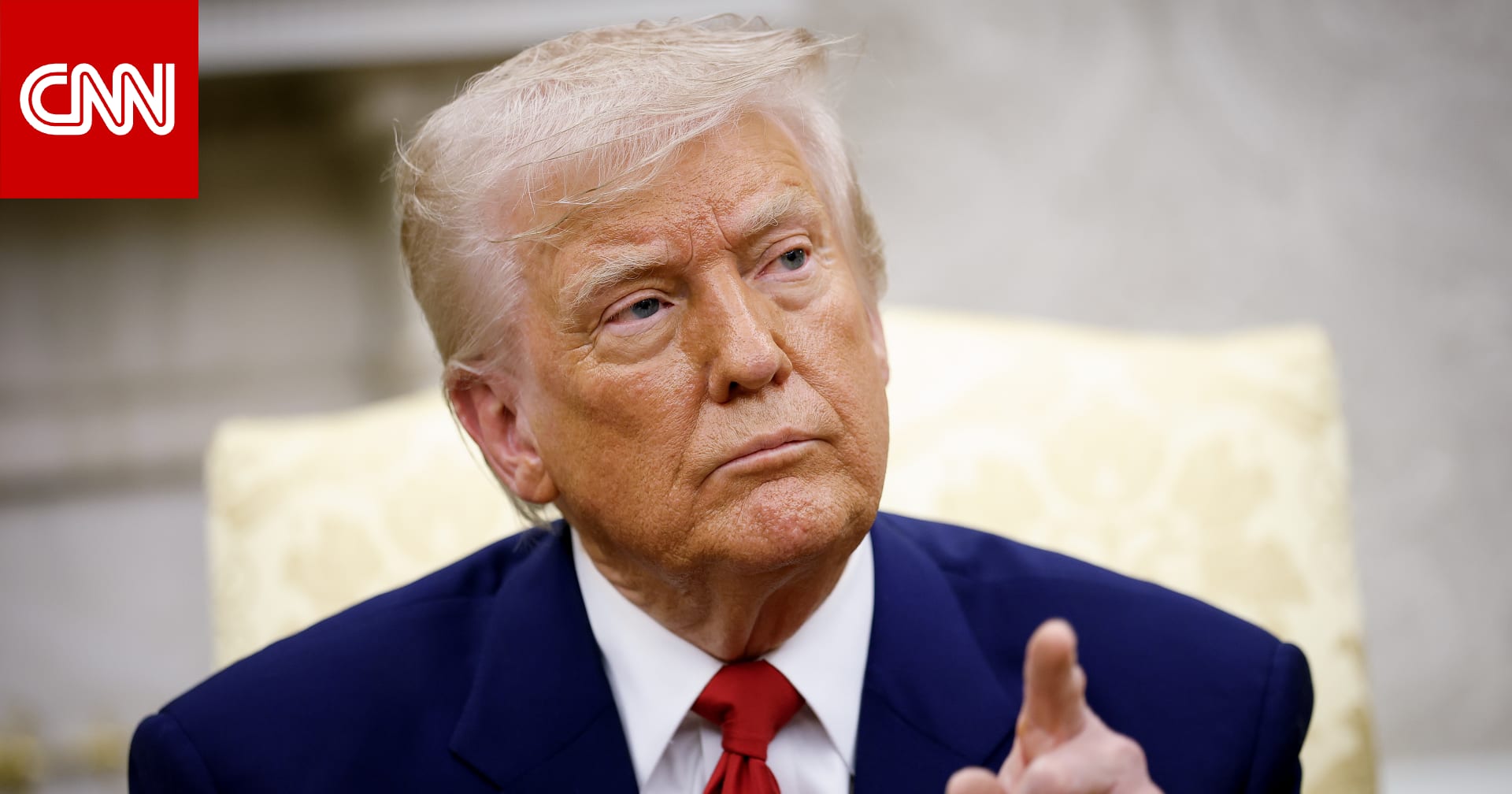
President Trump decided to proceed with the plan as explained by Secretary of Defense Mark Esper and Chairman Mark Milley. Pompeo said he would deliver a message to the Iranians immediately after the strike to clarify that it "was not an attempt to topple the regime, but we are ready to escalate if they want."
Assassinating Soleimani while he was aboard a commercial flight from Damascus to Baghdad posed a challenge for the Americans. Pompeo says, "We prepared a plan to control the airspace during the critical five minutes. The only civilians who might be at risk were the passengers on the commercial flight carrying Soleimani, so we would wait until he got off the plane, got into his car, and moved as far away as possible before executing the strike within the airport perimeter."
Before leaving Mar-a-Lago, Pompeo reminded the president of the implications, saying, "We are going to fire a missile from 6,000 miles away to strike an international airport. We have never done that before." The president looked at him silently, and his look was decisive that there was no room for error.
January 3, 2020, was chosen for the assassination of Soleimani, after the U.S. intelligence team accurately tracked his movements as he moved from one battlefield to another in the Middle East. After midnight Baghdad time, Soleimani arrived at Baghdad Airport, where he was greeted by Abu Mahdi al-Muhandis, founder of Kata'ib Hezbollah and a leader in the Popular Mobilization Forces.
Soleimani did not know that a U.S. MQ-9 Reaper drone was monitoring his movements. When his car left the airport via a side road, Hellfire missiles rained down on his vehicle, as Pompeo recounts. Within minutes, social media buzzed with news of an explosion at Baghdad International Airport, and Iran soon confirmed Soleimani's death.
The former secretary of state said, "We were preparing for possible retaliatory attacks against U.S. facilities around the world. Israel was also on alert, aware of the possibility that Iran might target it. Similarly, we coordinated with our Arab partners in the Gulf, informing them in advance without revealing the details of our plans."
But Iran, which had threatened revenge for Soleimani's death for years, hastened to send a message to the American side through Switzerland that its response would be limited to the strikes that hit a U.S. base in Iraq. Pompeo said, "Within hours, Iran launched ballistic missiles at Ain al-Asad base in Iraq, wounding a number of American soldiers, some seriously, but no one was killed. Then I received a message via the Swiss channel from my Iranian counterpart stating that this was Iran's complete response."
Pompeo explains that the assassination of Soleimani was a message to Iran that if its aggression continued, the price would be harsher. It came within the context of Trump's strategy toward Iran, as it was logical to cut off the "head of the octopus" whose tentacles extended to most Middle Eastern countries, making it easier to deal with the rest of this network in subsequent stages.
Assassination Options
Original source: Independent Arabia


Comments (0)
Be the first to comment.