Fidan discusses regional developments with Egyptian and Jordanian counterparts
In two phone calls according to sources in the Turkish Ministry of Foreign Affairs..
Büşranur Keskinkılıç, Mahmut Nabi
July 11, 2026 • Updated: July 11, 2026
Ankara / Anadolu
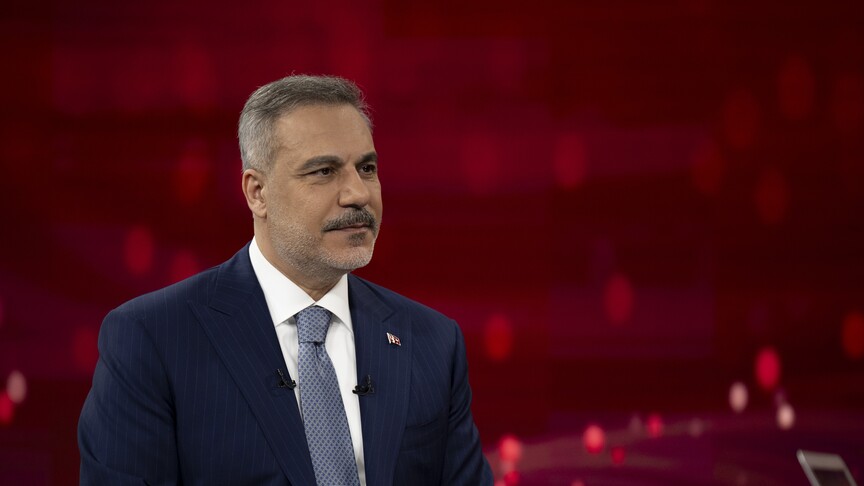
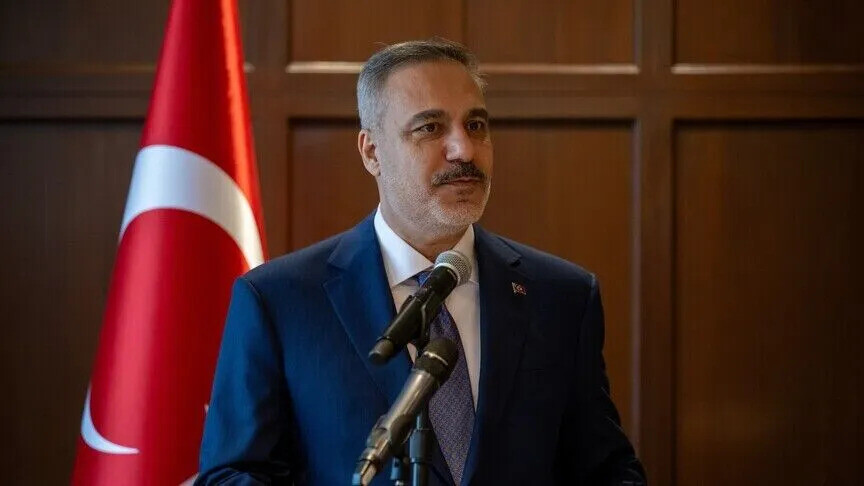
Turkish Foreign Minister Hakan Fidan discussed on Saturday, in two separate phone calls with his Egyptian counterpart Badr Abdelatty and Jordanian counterpart Ayman Safadi, ways to enhance bilateral relations, regional developments, and efforts aimed at de-escalation and restoring the negotiation track between the United States and Iran.
This came according to sources in the Turkish Ministry of Foreign Affairs, and two statements issued by the Egyptian and Jordanian Ministries of Foreign Affairs.
Sources in the Turkish Ministry of Foreign Affairs said that Fidan discussed, during the two calls, the latest developments in the region, without further details.
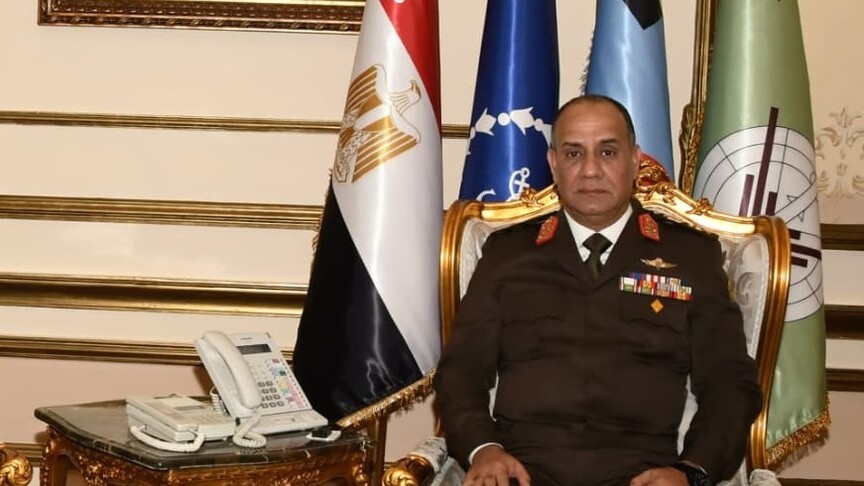
For its part, the Egyptian Ministry of Foreign Affairs stated in a statement that the call between Abdelatty and Fidan came "within the framework of ongoing communication and coordination between the two countries regarding ways to enhance bilateral relations and exchange views on regional issues of mutual interest."
The call addressed, according to the statement, "ways to elevate Egyptian-Turkish relations in various fields," while the two ministers praised the rapid development witnessed in bilateral relations in recent times at various levels.
The two ministers affirmed "the keenness to build on the progress achieved in the course of relations between the two countries, and to follow up on the implementation of the outcomes of the first meeting of the High-Level Strategic Cooperation Council, which was held in February 2026 in Cairo."
They stressed "the importance of continuing to strengthen strategic dialogue mechanisms, and developing economic and trade cooperation to achieve the common interests of the two countries and the two friendly peoples."
The call also witnessed "an exchange of views on regional developments," and the two ministers stressed the importance of de-escalation and containing tension in the region, and intensifying joint efforts to restore the negotiation track between the United States and Iran, contributing to reaching a final agreement through dialogue and diplomacy, and sparing the region the risks of military escalation.
The two ministers also discussed "aspects of coordination within the framework of the quadrilateral regional mechanism that includes Egypt, Turkey, Saudi Arabia, and Pakistan."
They stressed the importance of continuing consultation on the security concerns of the countries of the region, and adhering to the principles of respect for the sovereignty and territorial integrity of states, and refraining from the use of force or interference in the internal affairs of states.
Washington and Tehran had signed, on June 18, a memorandum of understanding following negotiations mediated by Qatar and Pakistan, paving the way for a final agreement.
However, tensions escalated between the two sides in recent days, as the U.S. Central Command (CENTCOM) announced on Thursday morning the execution of new strikes targeting about 90 Iranian military sites, including air defense systems, missile and drone storage sites, naval capabilities, and logistics infrastructure on the Iranian coast.
In response, Iran's Revolutionary Guard announced targeting U.S. military bases in Kuwait, Bahrain, and Jordan, warning of expanding the scope of its attacks if the U.S. strikes continue.
According to the Egyptian statement, Fidan and Abdelatty consulted on a number of regional issues, foremost among them the Palestinian cause.
They affirmed "rejection of any attempts to displace the Palestinian people, and the necessity of stopping the escalation in the Gaza Strip and the West Bank, and ensuring full access for humanitarian aid."
The two ministers also exchanged "assessments regarding developments in Syria, Lebanon, Sudan, and Libya," stressing the importance of supporting efforts aimed at achieving security and stability, and preserving the unity, sovereignty, and institutions of states.
In the same context, the Jordanian Ministry of Foreign Affairs stated in a statement that the call between Fidan and Safadi addressed "prospects for ending the escalation in the region, and efforts made to ensure the implementation of the ceasefire agreement between the United States and Iran."
Safadi and Fidan affirmed, according to the statement, the importance of joining efforts to consolidate calm, and adopting dialogue as a way to resolve the crisis.
The two ministers warned of "the consequences of Israel's continuation of its illegitimate measures in the occupied Palestinian territory, which perpetuate the occupation and violate the right of the Palestinian people to freedom, statehood, and a dignified life on their historical land."
They stressed "the necessity of implementing all provisions of U.S. President Donald Trump's plan to stabilize Gaza," related to the ceasefire agreement in effect since October 2025.
The two ministers also affirmed the continuation of joint work to support Syria, its unity, security, and stability, and the reconstruction process launched by the Syrian government to build the future.
They stressed "condemnation of Israeli attacks on Syria, its interference in its internal affairs, and its attempts to destabilize it."
Fidan briefed Safadi on the outcomes of the NATO summit hosted by Turkey last week.
Safadi congratulated his Turkish counterpart on the excellent organization of the summit, which was held on Tuesday and Wednesday.
The two ministers discussed "ways to enhance the historic fraternal relations between the Kingdom and Turkey," and stressed the continuation of work to develop cooperation in various fields.
Original source: Anadolu Agency



Comments (0)
Be the first to comment.