From Behind the Palace Walls to the World Stage... Leonor: Icon of the New Royal Generation in Europe
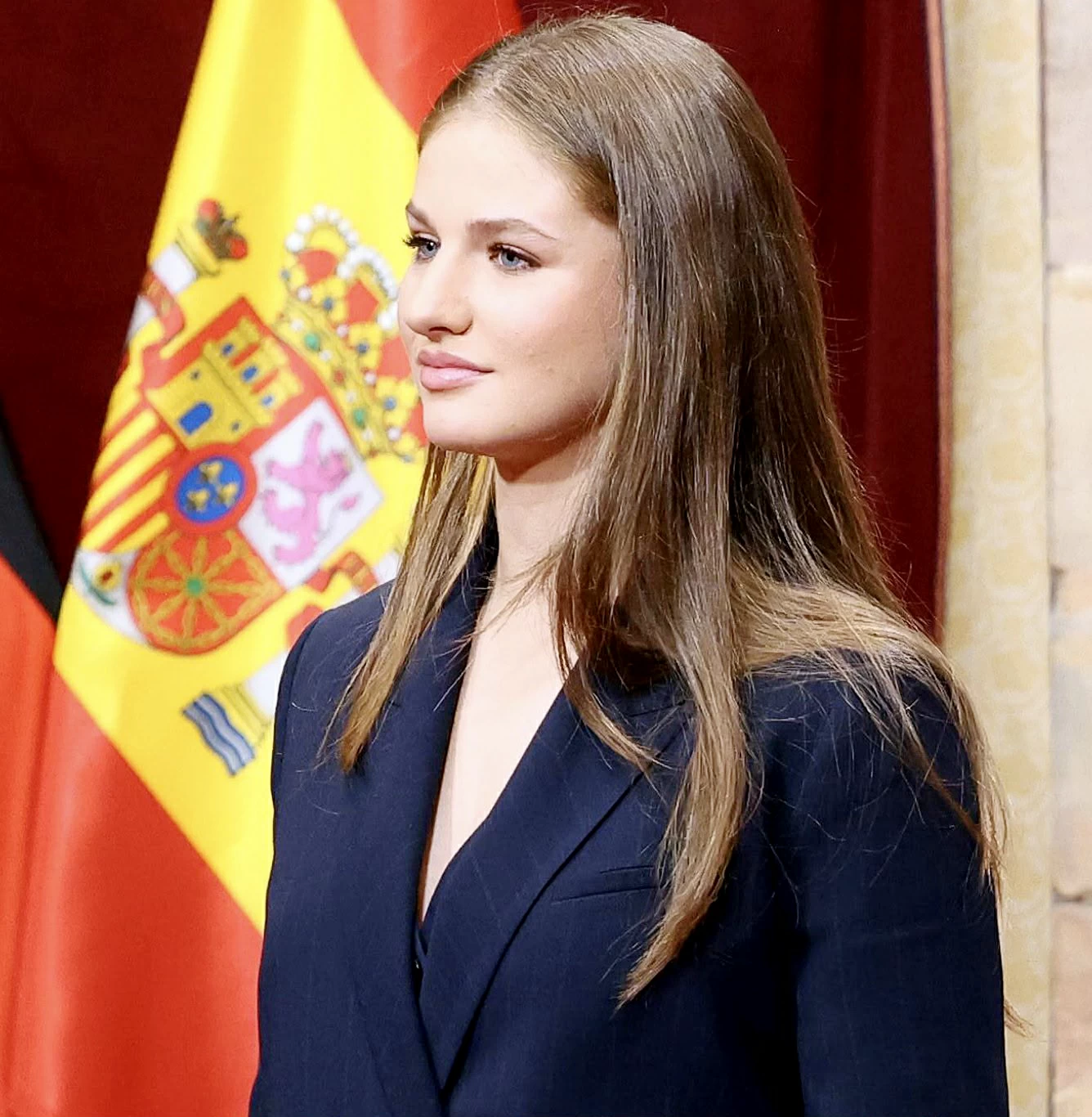
With her calm demeanor, striking presence, and image far removed from the hustle and bustle, Princess Leonor has established herself as one of the most followed young royal figures in Europe. However, her appeal lies not only in the spotlight but also in the responsibility she has carried since a young age. Behind her serene smile stands the direct heir to the Spanish throne, being prepared for years to lead one of Europe's oldest monarchies, in an experience that blends modernity with tradition, education, military discipline, and early readiness for ascending the throne.
Princess Leonor was born in the Spanish capital, Madrid, on October 31, 2005, as the eldest daughter of King Felipe VI and Queen Letizia. When her father ascended the throne in 2014, she became first in line to the throne and received the title Princess of Asturias, the historic title granted to the heir apparent of Spain, marking the beginning of a journey different from that of any young woman her age.
Her parents ensured she grew up in a balanced environment, combining a normal family life with the demands of royal duties. Alongside her younger sister, Princess Sofia, she received her education in Madrid, where her interest in languages, sciences, and literature became evident, and she mastered Spanish and English, in addition to learning regional languages that reflect the cultural diversity within Spain.
In 2021, she moved to the United World College Atlantic in the United Kingdom, where she studied the International Baccalaureate program in an environment that included students from dozens of nationalities. This choice was not only academic but also part of a vision aimed at refining her personality and strengthening her skills in leadership, dialogue, teamwork, and dealing with different cultures.
As her studies concluded, she began a new chapter of formal preparation by joining military training within the Spanish armed forces, a step that is part of the path taken by heirs to the throne in Spain, aimed at preparing them to lead the state and understand its institutions from within. She also started expanding her presence at official events and national activities, gradually gaining experience in representing the state both domestically and internationally.
Although she is still in her early twenties, Princess Leonor's name has become prominent on the European scene as one of the most notable young royal figures. Media interest in her is not only linked to her royal status but also to the way her public persona is being built, and the bet placed on her to lead the Spanish monarchy in a new phase.
Amid education, discipline, and official duties, Princess Leonor is shaping the features of a different generation of heirs to thrones; a generation that does not merely settle for holding the title but prepares early for a historical responsibility, awaiting the day she transforms from Princess of Asturias to Queen of Spain.
Original source: Okaz


Comments (0)
Be the first to comment.