The Story of 'Princess of Asturias'... Leonor Writes the Chapters of a Queen Yet to Come
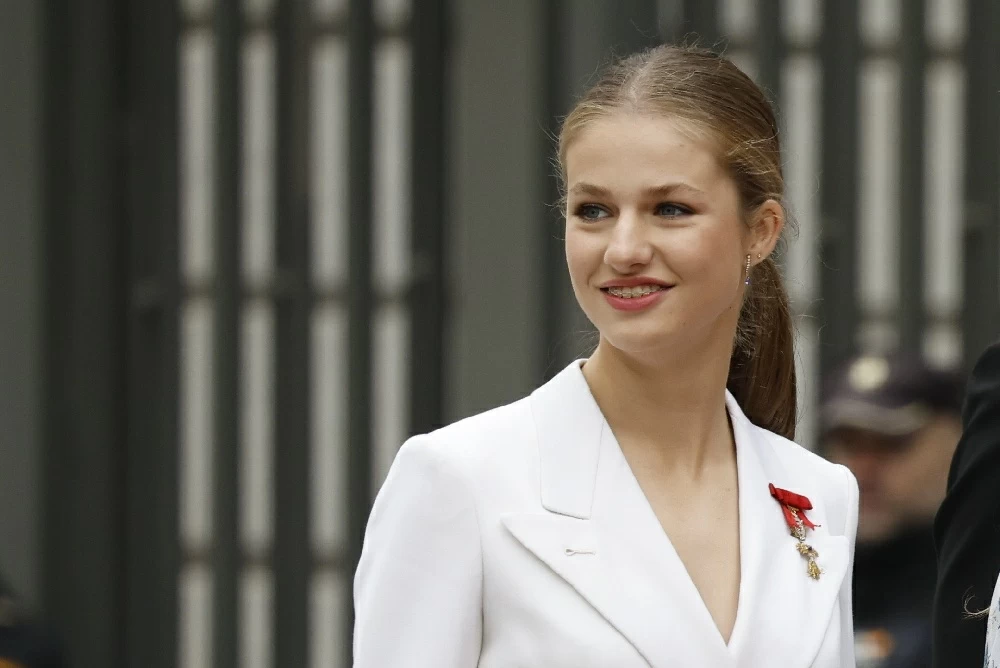
She is not just an heir to an ancient throne, but a queen-in-the-making being prepared slowly. Since Princess Leonor became the heir to the Spanish throne, every milestone in her life has turned into part of a well-planned journey, combining education and military discipline, along with a human presence that brings her closer to the people, at a time when the Spanish monarchy seeks to present a new face that aligns with the aspirations of a different generation.
While still in her youth, Leonor has succeeded in establishing her presence both within Spain and beyond, becoming one of the most followed young princesses in Europe, not only because she is the future queen, but because she represents a modern model for royal families in the twenty-first century.
Heir to the Throne
Leonor de Bourbon Ortiz was born on October 31, 2005, and is the eldest daughter of King Felipe VI and Queen Letizia. With her father ascending the throne in 2014, she became the heir to the Spanish throne and held the title of 'Princess of Asturias'; which is traditionally granted to the heir apparent of Spain.
The princess has followed a comprehensive preparation program that began with education in Spain, before moving to UWC Atlantic College in Wales to study the International Baccalaureate, in an experience aimed at enhancing her independence and openness to different cultures.
After that, she underwent military training lasting three years within the land, naval, and air forces, as part of a tradition that prepares heirs to the throne for future leadership of the armed forces, during which she gained field experiences that included sailing, flying, and parachuting.
A Face Close to the People
Despite royal protocols, Leonor is keen to appear natural and spontaneous during her public engagements, as she interacts with citizens, takes commemorative photos, and participates in community activities, which has helped solidify her image as a humble figure close to various segments of society.
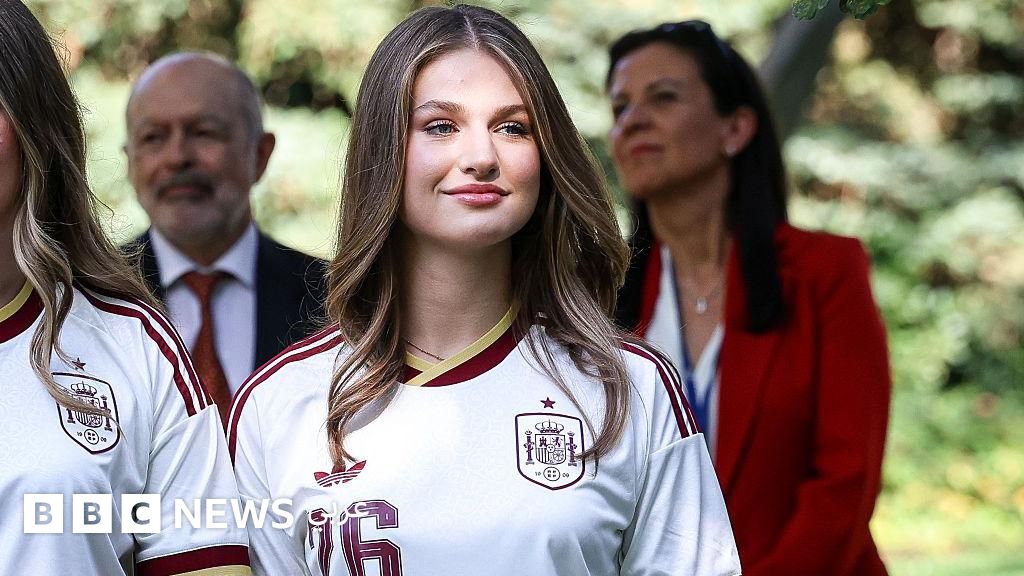
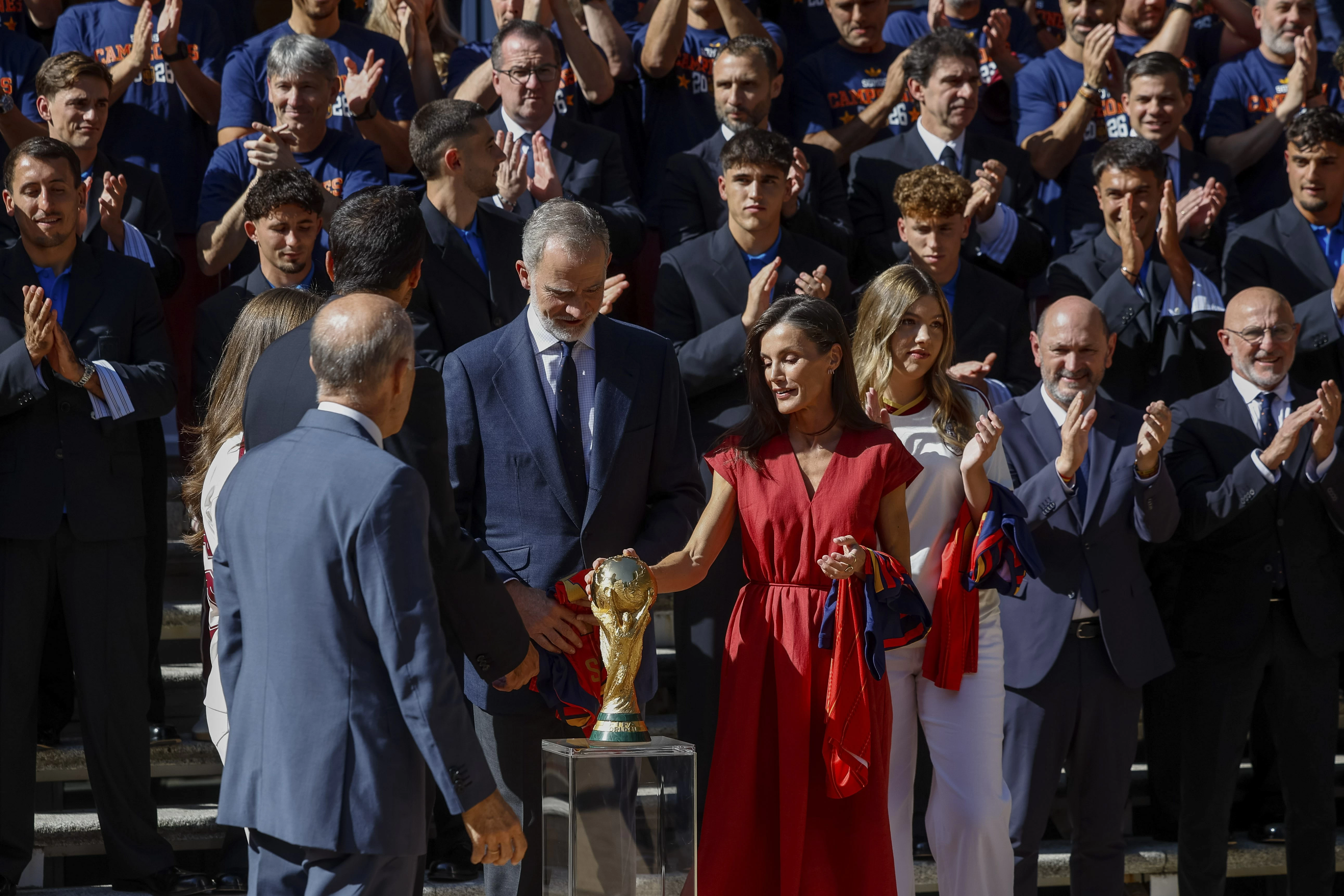
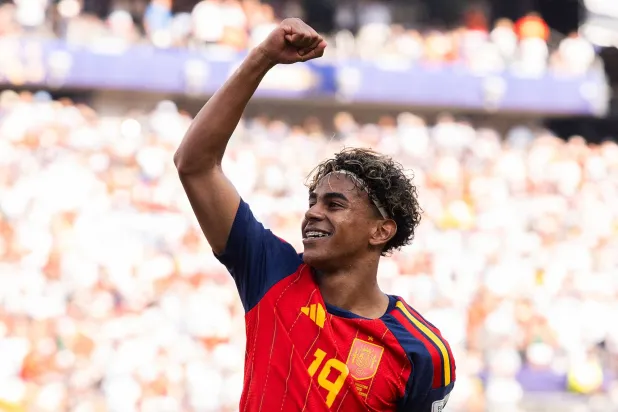
Sports, particularly football, are among the princess's interests; which is considered part of Spanish identity. She has appeared on several occasions cheering for the national team; most notably during the celebrations of the players after Spain won the 2026 World Cup, in a scene reminiscent of her presence as a child during the 2010 World Cup celebrations, summarizing a journey that has spanned from the stands of stadiums to the champions' podium.
A New Generation for the Monarchy
Unlike many public figures, Leonor does not have official accounts on social media platforms, as the Spanish royal family follows a policy that maintains the privacy of its members, only publishing their activities through official channels.
Observers believe that Leonor represents the new generation of European monarchs, as she combines international education, military discipline, and a human presence, along with her interest in culture, languages, and public work, reflecting the evolution of the concept of constitutional monarchy in Europe.
The Road to the Crown
With her official engagements expanding year after year, Leonor today seems closer than ever to the role she has been prepared for since childhood. Between the responsibility imposed by history and the challenges presented by the era, the 'Princess of Asturias' continues to write the chapters of her journey towards the throne, to be a new face for a monarchy that seeks to preserve its legacy while addressing the future in a language closer to the people.
She is not just an heir to an ancient throne, but a queen-in-the-making being prepared slowly. Since Princess Leonor became the heir to the Spanish throne, every milestone in her life has turned into part of a well-planned journey, combining education and military discipline, along with a human presence that brings her closer to the people, at a time when the Spanish monarchy seeks to present a new face that aligns with the aspirations of a different generation.
While still in her youth, Leonor has succeeded in establishing her presence both within Spain and beyond, becoming one of the most followed young princesses in Europe, not only because she is the future queen, but because she represents a modern model for royal families in the twenty-first century.
Heir to the Throne
Leonor de Bourbon Ortiz was born on October 31, 2005, and is the eldest daughter of King Felipe VI and Queen Letizia. With her father ascending the throne in 2014, she became the heir to the Spanish throne and held the title of (Princess of Asturias); which is traditionally granted to the heir apparent of Spain.
The princess has followed a comprehensive preparation program that began with education in Spain, before moving to UWC Atlantic College in Wales to study the International Baccalaureate, in an experience aimed at enhancing her independence and openness to different cultures.
After that, she underwent military training lasting three years within the land, naval, and air forces, as part of a tradition that prepares heirs to the throne for future leadership of the armed forces, during which she gained field experiences that included sailing, flying, and parachuting.
A Face Close to the People
Despite royal protocols, Leonor is keen to appear natural and spontaneous during her public engagements, as she interacts with citizens, takes commemorative photos, and participates in community activities, which has helped solidify her image as a humble figure close to various segments of society.
Sports, particularly football, are among the princess's interests; which is considered part of Spanish identity. She has appeared on several occasions cheering for the national team; most notably during the celebrations of the players after Spain won the 2026 World Cup, in a scene reminiscent of her presence as a child during the 2010 World Cup celebrations, summarizing a journey that has spanned from the stands of stadiums to the champions' podium.
A New Generation for the Monarchy
Unlike many public figures, Leonor does not have official accounts on social media platforms, as the Spanish royal family follows a policy that maintains the privacy of its members, only publishing their activities through official channels.
Observers believe that Leonor represents the new generation of European monarchs, as she combines international education, military discipline, and a human presence, along with her interest in culture, languages, and public work, reflecting the evolution of the concept of constitutional monarchy in Europe.
The Road to the Crown
Original source: Okaz


Comments (0)
Be the first to comment.