Geopolitical Crises
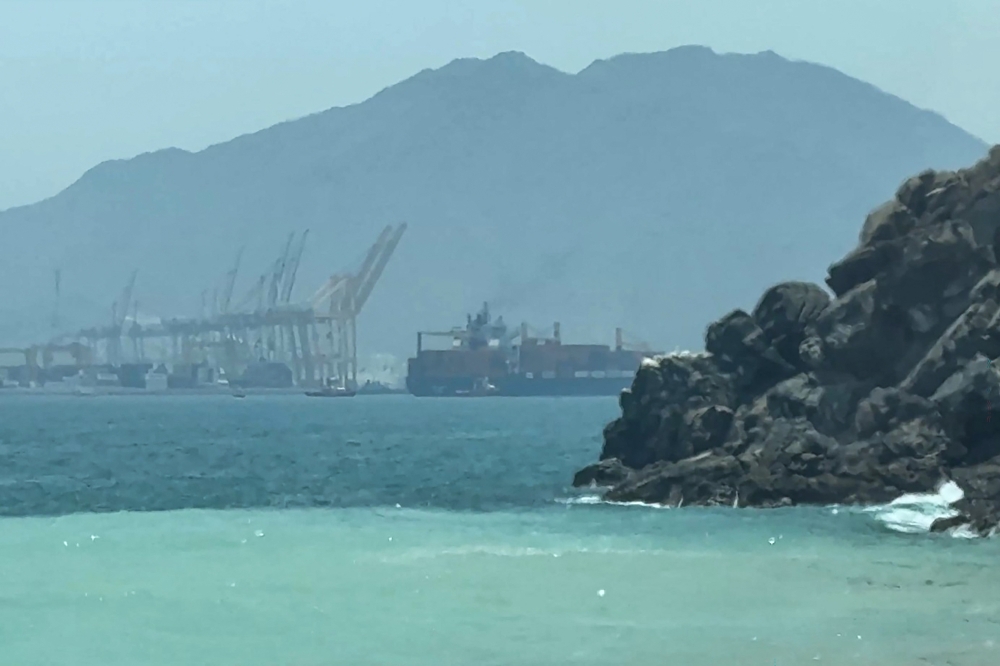
The developments witnessed in Oman's Musandam Governorate over the past hours have once again placed the Strait of Hormuz at the heart of the international political and security scene. The maritime passage adjacent to the governorate's coasts has returned to the forefront of global attention amid rising military tensions and increased monitoring of maritime navigation, as eyes turn to one of the most strategically influential passages for energy and international trade.
The implications of the event extended beyond its immediate geographical scope, bringing with it a wide range of questions related to the security of maritime passages, the stability of global markets, and the future of regional balances. The most important question here emerges: How will the international system deal with the wave of escalating tensions in the Gulf amid the intertwining of security, energy, and global trade files?
In describing the current phase, American thinker Richard Haass believes that the international system faces a growing challenge in managing simultaneous crises—a description consistent with the current scene where regional security files intersect with global economic, energy, and vital maritime passage issues.
In this context, the military confrontation between the United States and Iran has returned to the forefront of international events, with exchanges of military strikes and an expansion of the tension zone in the Gulf region. The Strait of Hormuz has also topped political and strategic discussions in major capitals, with increasing focus on energy security, safety of maritime navigation, and stability of international trade flows.
The world is currently moving along two parallel tracks: a security escalation in the Gulf and the Strait of Hormuz, and intensive diplomatic efforts aimed at containing tensions and enhancing prospects for stability. Political contacts, international moves, and regional mediations continue as part of efforts focused on crisis management and maintaining the region's security and stability.
The Gulf states remain at the heart of this international equation due to their strategic location and importance in the global economic system. Ports, vital facilities, and maritime passages are among the priorities of international monitoring, along with attention to the security of supply chains and commercial flows passing through the region.
In this context, the Kingdom affirmed its steadfast position regarding the recent developments, as the Ministry of Foreign Affairs issued a statement expressing the Kingdom's condemnation and denunciation of the Iranian attacks and the threat they pose to the region's security and stability. The Kingdom also reiterated its rejection of attacks on brotherly states and commercial vessels and threats to navigation safety, while emphasizing the importance of respecting international law, the United Nations Charter, principles of good neighborliness, and preserving regional security and stability. This position reflects the Kingdom's commitment to the priority of regional stability, protecting maritime passages, and ensuring the smooth flow of international trade.
These developments coincide with the continuation of the war in Ukraine and the expansion of tensions in a number of international files, in a scene that reflects the scale of challenges facing the international system during the current phase. The year 2026 appears set to be one of the most crisis-ridden years of the decade in terms of geopolitical tensions, as security, energy, trade, and maritime passage files intersect at a delicate international moment, while attention turns to the ability of diplomacy to keep pace with the speed of events and maintain stability in a region that represents one of the most important pillars of the global economy.
Original source: Al-Riyadh





Comments (0)
Be the first to comment.