Is the Gulf the biggest loser after the US-Israeli war with Iran?
Is the Gulf the biggest loser after the US-Israeli war with Iran?
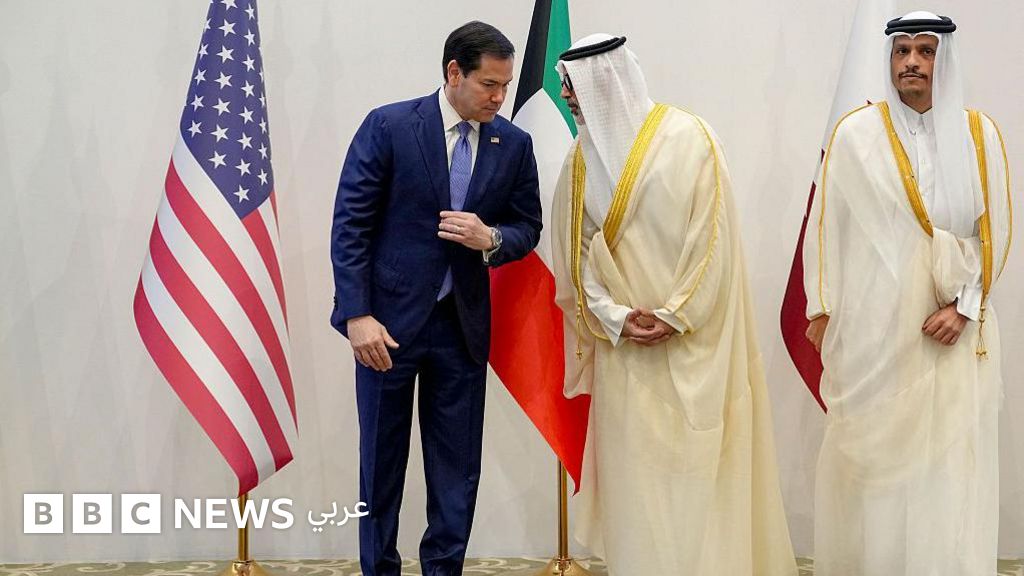
Image caption, US, Kuwait, and Qatar foreign ministers during a meeting in Manama on June 25, 2026.
Article Information
Author, Manal KhalilRole, BBC News Arabic
Published 26 June 2026
Reading time: 7 minutes
Military escalation has subsided, and a memorandum of understanding was signed between the United States and Iran.
True, the negotiations are still in their early stages and it is too early to discuss results, but the question being asked today is: who is the biggest loser in this war?
In the 'balance of profit and loss', political readings differ. Arab Gulf states fear that US negotiations with Iran may lead to 'excessive concessions' that strengthen Tehran's power in the region. The draft agreement between Tehran and Washington did not mention imposing any restrictions on Iranian ballistic missiles, which could raise concerns among some Gulf countries that are within range of those missiles and have already been harmed by them.
During the war, the Trump administration said that destroying Tehran's missile capabilities was a key objective. But during his recent visit to Paris, Trump lowered the bar of his statements by saying: 'If other countries have ballistic missiles, it is unfair for Iran not to have some.'
Dr. Andreas Krieg, Associate Professor of Security Studies at King's College London, believes that Iran's missile program still poses a serious security challenge to Arab Gulf states. But he says Gulf leaders realize that demanding the dismantlement of Iran's missile arsenal will not lead to an agreement.
In an interview with BBC News Arabic, Krieg suggests that the Gulf response will be practical, through hardening infrastructure, expanding missile defense systems, localizing the production of interceptor missiles, strengthening forward defenses, and keeping channels open with Tehran to avoid confrontation.
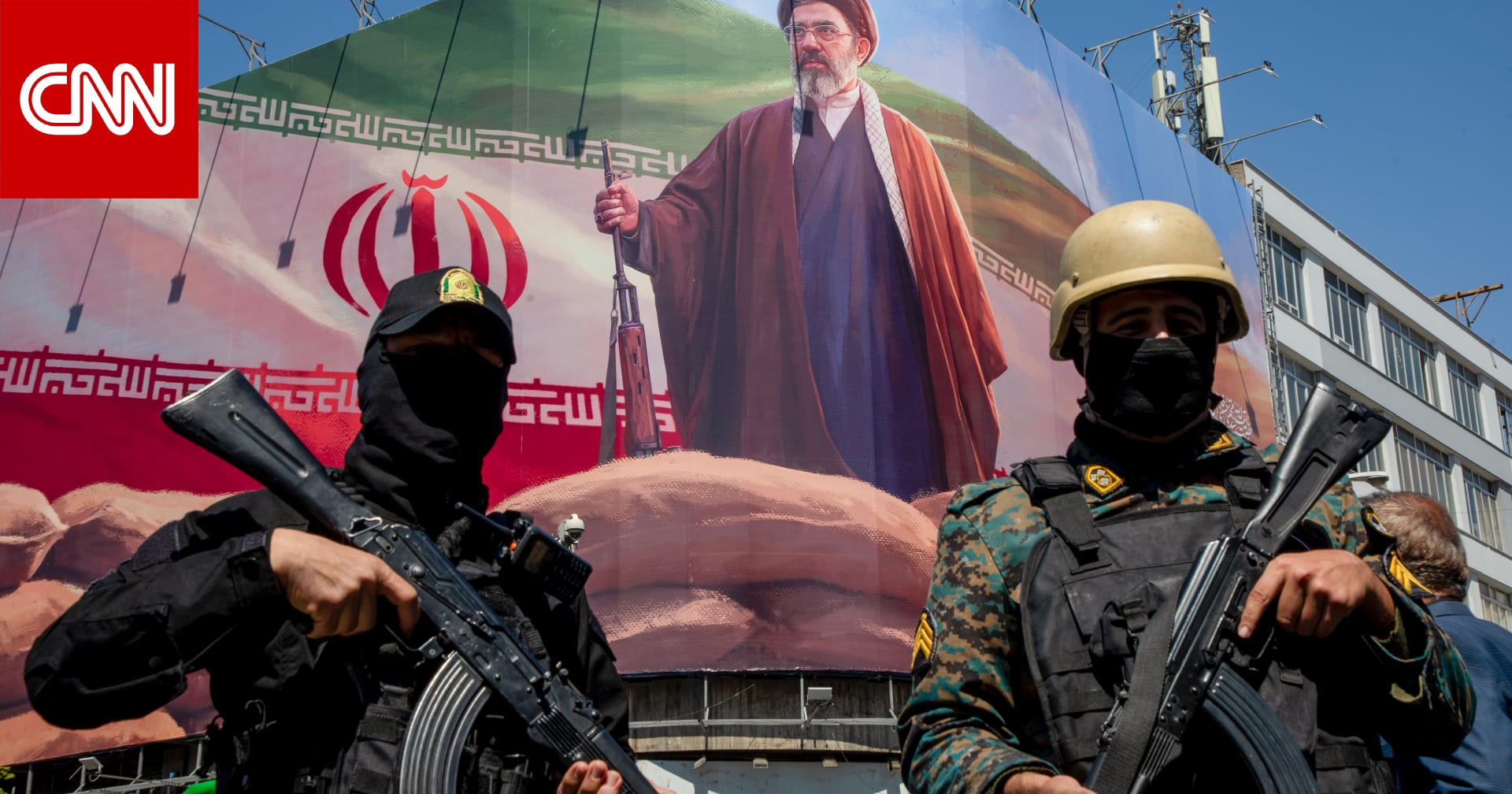
Image caption, The draft agreement between the United States and Iran did not mention imposing any restrictions on Iranian ballistic missiles that have targeted several Gulf countries.
Krieg does not describe the Gulf states as the biggest losers in this war, despite suffering strikes that exposed vulnerabilities in some aspects of their infrastructure. In his view, they still hold an important strategic position.
'As for Israel, it appears to be the biggest loser from a strategic perspective. It has drained a large part of its credit with the US administration politically, diplomatically and militarily, harmed its standing with Western public opinion, and cemented its image as a country dragging Washington into a costly regional escalation centered on its security agenda,' says Krieg.
Skip most read and continue reading
Do you really need to avoid gluten?
'A meal I ate during my vacation ended up infecting me with 38 parasites in my brain'
Ukraine strikes a major oil station in the Russian city of Saint Petersburg
Funeral music and 'selected verses': How social media platforms read Khamenei's farewell ceremony?
Skip podcast and continue reading
Worth paying attention
Deep explanation of the most prominent events and topics, to help you understand the most important changes around you and their impact on your life
Episodes
Podcast end
In contrast, the Gulf aligns and harmonizes more with the principles of 'America First,' adds Krieg, through burden-sharing, investing in the US economy, de-escalation, and strengthening regional stability. Additionally, it helps Washington manage crises ranging from energy security to diplomatic mediation efforts, and this is a crucial point, as Krieg sees it.
For his part, Dr. Hassan Mneimneh, lecturer at the Middle East Institute in Washington, believes that the Gulf is the biggest winner, not in terms of gains, but he considers that it would have paid a heavy price if the war had continued.
It is true that the Gulf lost a lot in the war, Mneimneh tells BBC Arabic, but failure to reach the memorandum of understanding between the United States and Iran and end the war would have caused a devastating loss from which the Gulf might not have recovered.
Mneimneh says that the issues of ballistic missiles, Iran-backed factions, the nuclear program, and the Strait of Hormuz are matters the Gulf needs to address, but if the war had continued, Gulf countries would have faced 'existential destruction,' as he puts it.
Gulf countries have worked in recent years on plans to diversify their economies and invest heavily in tourism, services, technology, and others.
Did Gulf countries pay the price of war? And are they paying the price of peace?
The memorandum of understanding between the United States and Iran also stipulates the establishment of a $300 billion reconstruction fund for Iran, with expectations that Gulf countries will have the largest share in financing it.
Iran has previously demanded compensation from some Gulf and regional countries that participated or assisted in carrying out attacks against it, for the damages it suffered.
However, Gulf countries such as Qatar and the UAE have in turn demanded that Iran pay compensation for all damages and losses resulting from its attacks, which raises an equation that the Gulf is paying the 'bill of war, and even peace.'
To date, there are no official statistics or figures indicating the scale of damages to Gulf countries.
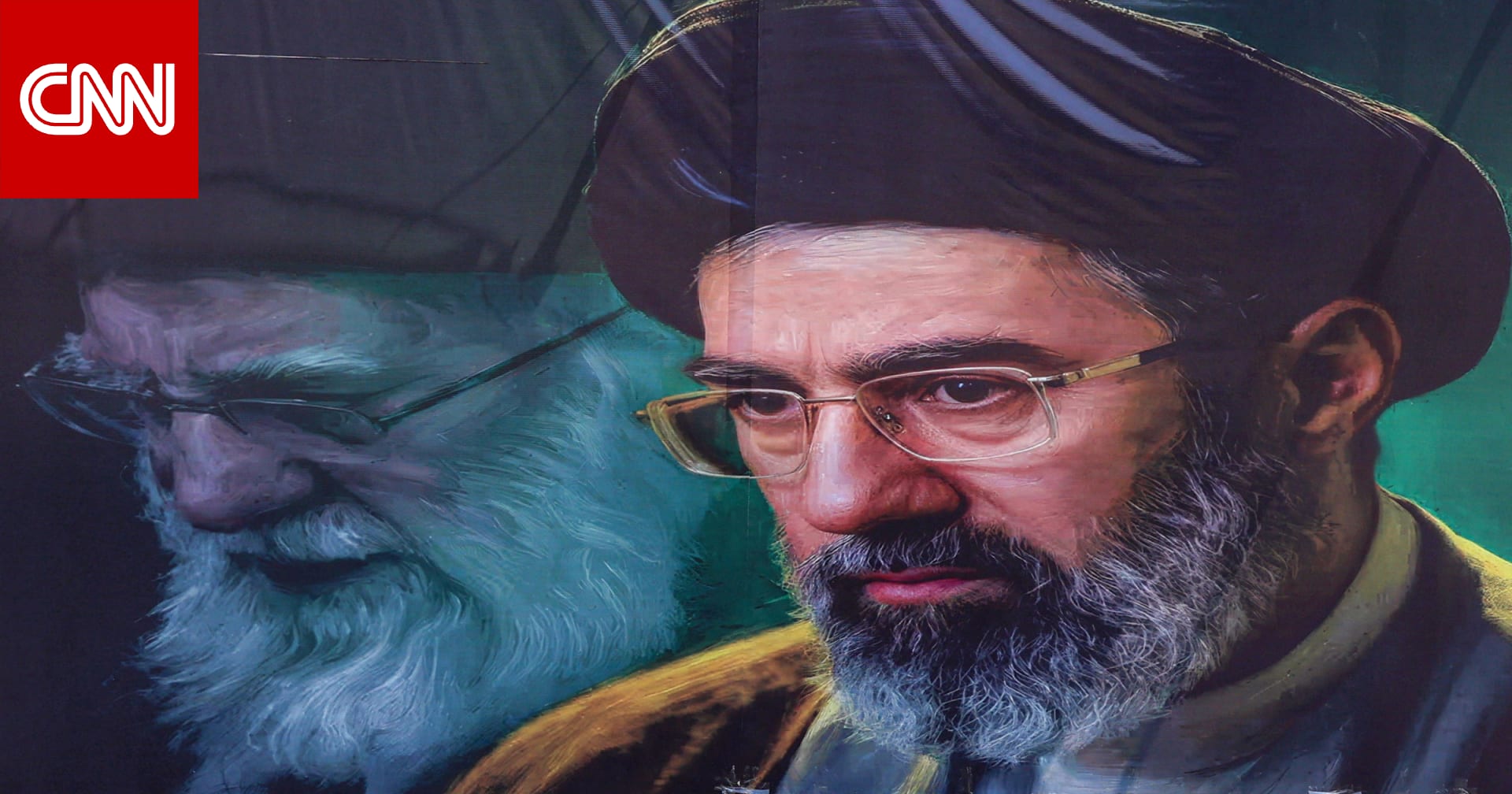
Image caption, Iran has repeatedly demanded compensation for the damages it suffered.
Hassan Mneimneh starts from a jurisprudential principle to say that achieving benefit is either by bringing benefits, which he believes is not available to Gulf countries today, or by warding off harms, which is what they are pursuing, including the $300 billion fund.
Mneimneh explains that Gulf participation, if it occurs, will not be a donation to Iran, but in the form of investments. He sees this as beneficial for containing an 'Iranian domination project' by creating mutual economic relations, which would make Iran think twice before attacking Gulf countries.
As for Krieg, he believes that the reconstruction fund poses a political problem because it may give the impression that Gulf countries took the hits and were later asked to pay the bill. However, the reality is more complex than that.
Gulf countries, in Krieg's view, will not give Iran a 'blank check.' He suggests that any reconstruction package will be indirect, conditional, and organized on a commercial basis. The opportunity, he adds, lies in the fact that mutual economic interdependence could give Gulf countries new leverage over Iran's behavior.
Strait of Hormuz: a pressure card in Iran's hands
When discussing items that some fear could enhance Tehran's regional influence, the Strait of Hormuz stands out as a key pressure card used by Iran at the negotiating table. This is a source of concern for Gulf countries that rely on the strait for oil and gas exports, albeit to varying degrees.
Saudi Arabia has pipelines and outlets on the Red Sea, giving it greater ability to partially bypass the risks of the Strait of Hormuz. The UAE has some alternatives via Fujairah, while Qatar and Kuwait remain more sensitive due to limited export alternatives.
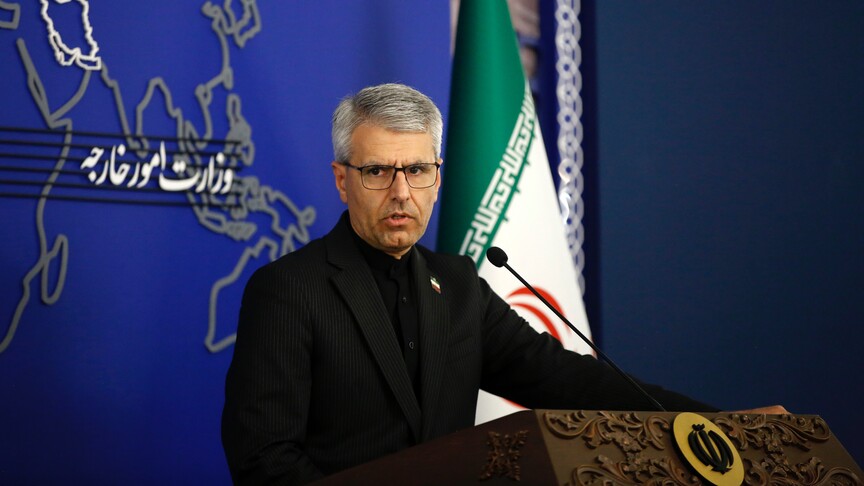
Image caption, Iran is pushing to impose transit fees in the Strait of Hormuz.
Andreas Krieg considers that the Strait of Hormuz remains the most sensitive and confusing aspect of any such agreement.
Original source: BBC Arabic

Comments (0)
Be the first to comment.