Does the resumption of military confrontations between Washington and Tehran signal an all-out war?
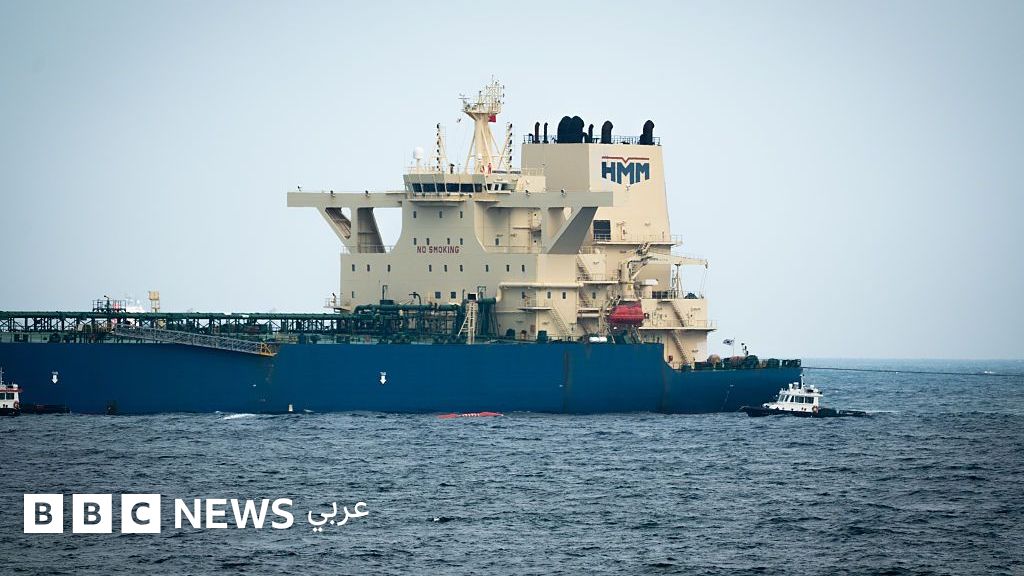
The escalation between the United States and Iran reaches its most dangerous stage since the confrontation erupted on February 28 last. There are more fears than ever that the region is slowly approaching an all-out war.
Does the resumption of military confrontations between Washington and Tehran signal an all-out war?
Image caption, Tehran closed the Strait of Hormuz and the United States imposed a naval blockade on Iran as confrontations returned to their peak in recent days.
Published 3 hours ago.
This escalation is the most serious since the confrontation erupted last February, raising questions about the likelihood of an all-out war.
Reading time: 3 minutes
The escalation between Washington and Tehran today reached its most dangerous stage since the confrontation began on February 28 last, and fears are growing that the region is sliding toward an all-out war.
Adding to this concern is that mediations and negotiations between the American and Iranian sides have reached a dead end.
In Washington, President Trump announced the resumption of military operations against Iranian military and economic sites.
In response, Iranian forces intensified their attacks on targets linked to American interests in Kuwait, Bahrain, and Jordan. Oil prices rose again.
Signs of escalation
The past few days have seen notable developments that raise concerns that the region is heading toward a war that could engulf Arab Gulf states. Among these developments: Trump's announcement of the end of the previous truce with Iran and the resumption of war, sending an official notification to Congress confirming the resumption of military operations, and the US military carrying out a new round of strikes on Iranian military sites.
In response, Iran resumed targeting navigation and ships in the Strait of Hormuz, and threatened a harsh response to any new American escalation. The intensity of the media and political war increased, and the two sides exchanged accusations of starting the escalation.
The current dispute between the United States and Iran revolves around control of the Strait of Hormuz. On one hand, the Trump administration insists on guaranteeing freedom of navigation; in fact, the American president spoke of a direct US role in securing and managing the strait and imposing fees on ships passing through it.
Skip most read and continue reading
World Cup: Oyarzabal scores Spain's go-ahead goal from the penalty spot
"How did Israel recruit former Iranian President Mahmoud Ahmadinejad?" - New York Times
The US blockade of Iranian ports is approaching, and Trump says the strait is open to navigation "except for Iran"
Houthis target Abha airport and warn against flying in Saudi airspace
Skip podcast and continue reading
Worth paying attention to
In-depth explanation of the most prominent events and topics, to help you understand the most important changes around you and their impact on your life
Episodes
Podcast end
On the other hand, Iran clings to what it says is its right to impose its security rules within the waters surrounding the strait, and rejects any American presence that limits its influence there.
Are the two sides heading toward an all-out war?
Neither side shows a desire to wage an all-out war. However, the level of risk has increased significantly, and there are several factors pushing toward escalation that could lead to the possibility of a war spreading to include Gulf states.
These factors include the continuation of mutual strikes and the possibility of large numbers of casualties, whether American or Iranian, in a large-scale attack, and the expansion of the confrontation to include US allies and American forces stationed in the region. Also, the continued disruption of international navigation and rising global economic pressures.
But there are other factors preventing an all-out war, including that both sides are still trying to keep the conflict within a certain ceiling, and the Trump administration's emphasis on leaving the door open to political solutions despite the resumption of military operations. For its part, Iran also affirms its readiness to negotiate through mediators, although it refuses to make concessions under military pressure.
What are the possible scenarios?
There are three scenarios: first, the exchange of military strikes continues on a limited scale while avoiding bombing vital targets that could lead to an open war. In parallel, economic pressures and diplomatic contacts continue.
The second is the possibility of military operations spiraling out of control and ending in a major attack leading to large human losses or the expansion of the confrontation to include American bases in the Gulf region. This scenario carries great risks for energy markets and regional stability.
The third scenario is a return to negotiations if international mediations succeed in bringing the two sides back to the negotiating table after they have used military escalation as a pressure card to improve their negotiating terms.
Although the current escalation is the most serious in months, available indicators so far do not point to an American or Iranian decision to wage an all-out war. Both sides are using military force to increase political pressure and improve their negotiating positions; they realize that a large-scale war would be costly militarily, economically, and politically for them and the entire region.
In your opinion:
Does the resumption of military confrontations between Washington and Tehran signal an all-out war?
What is the impact of the resumption of confrontations between Washington and Tehran on global energy prices?
To what extent could the escalation in the Strait of Hormuz lead to a global rise in oil and gas prices?
Does Washington's announcement of a naval blockade on Iran represent a turning point in the course of the confrontation between the two sides?
What options are available to Iran to respond, and what are the limits of its ability to affect international navigation?
We will discuss these and other topics in the episode on Wednesday, July 15.
Phone lines open half an hour before the program airs at 00442038752989.
If you want to participate via audio and video through Zoom, or by text message, please contact us via the program's WhatsApp number: 00447590001533
You can also send phone numbers to our Facebook page via private message.
You can also participate with your opinion in the discussions posted on the same page, at: https://www.facebook.com/NuqtatHewarBBC
Or via X platform using the hashtag @Nuqtat_Hewa
Skip short clips and continue reading
Short clips
Short clips end
The current dispute revolves around control of the Strait of Hormuz, where Washington insists on guaranteeing freedom of navigation against Iranian threats. The resumption of military operations could lead to higher oil prices and increased instability in Gulf states. The question remains whether the two sides will return to the negotiating table or the region is heading toward an all-out war.
Original source: BBC Arabic



Comments (0)
Be the first to comment.