How do we protect the oceans? 5 solutions proposed by marine conservationists
Renowned oceanographer Sylvia Earle and coral reef conservationist Titouan Bernicot discuss the state of the ocean, how their organizations are protecting and restoring marine ecosystems, and innovative strategies to scale up conservation impact.
Credit: Rolex/Tim McKenna
(CNN) -- Sylvia Earle holds many titles: oceanographer, marine biologist, and "Her Deepness." But perhaps the most heartwarming is "ocean sister," as she is called by her friend and fellow marine conservationist Titouan Bernicot.
Oceans make up more than 70% of the Earth's surface and play a vital role in regulating the climate and sustaining life, yet they face mounting threats from global warming, pollution, and overfishing.
What began as Earle's vision to inspire ocean conservation efforts nearly 20 years ago has grown into a global network of ocean advocates. Today, the Mission Blue foundation supports more than 170 Hope Spots across 116 countries. Credit: Taylor Griffith
Today, at the age of 90, Earle has spent more than seven decades exploring and defending the oceans, ranging from documenting aquatic plants to pioneering deep-sea research.
Earle was a pioneer in her field; in 1979, she set a record for the deepest walk on the ocean floor wearing an atmospheric diving suit, and in 1990, she became the first woman to serve as chief scientist at the National Oceanic and Atmospheric Administration (NOAA).
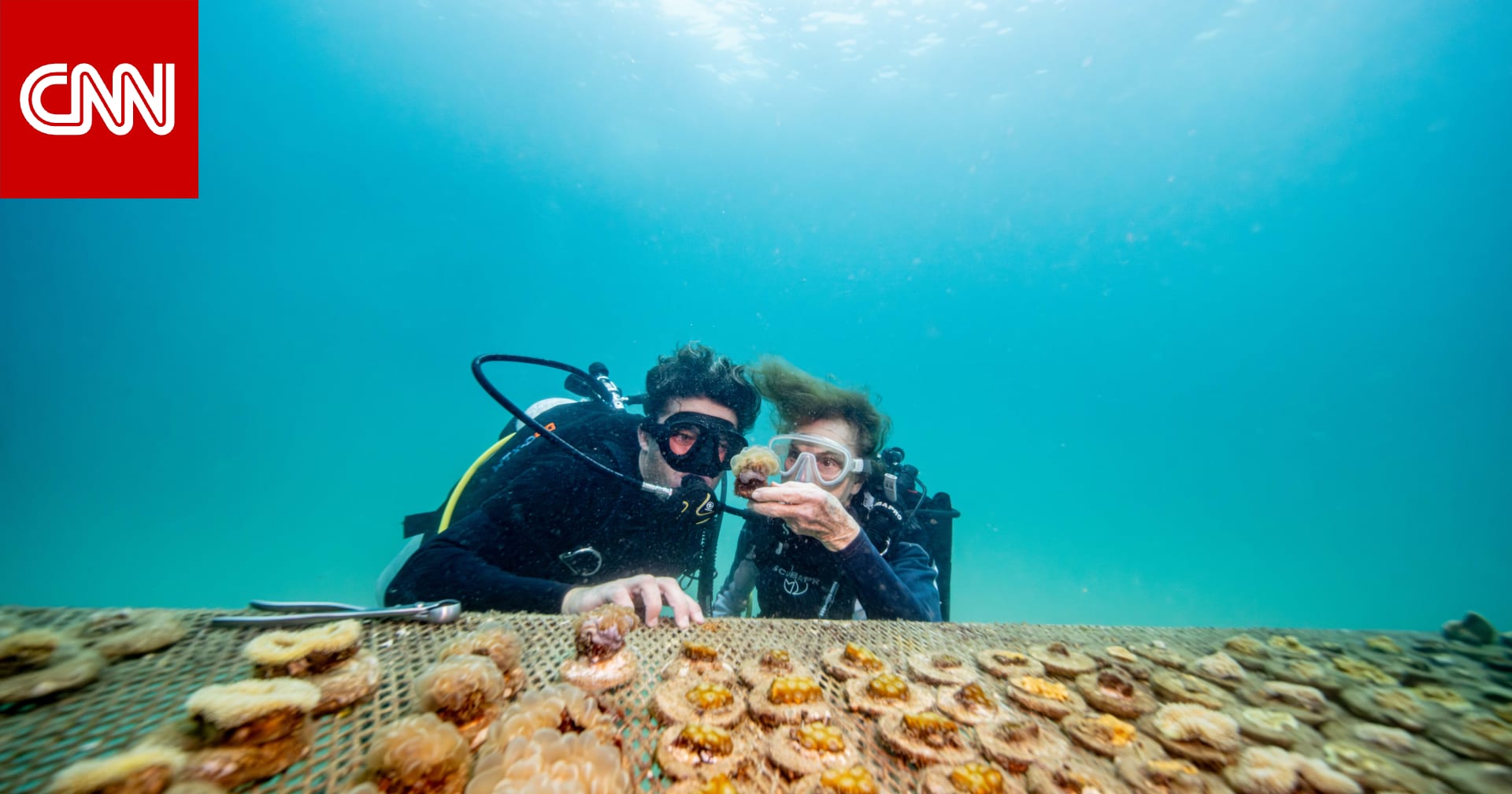
Titouan Bernicot and Sylvia Earle examine coral growing in an underwater nursery in Thailand. Credit: Rolex/Tim McKenna
In 2009, she founded the non-profit organization Mission Blue, which works to protect the oceans by establishing "Hope Spots"—marine areas recognized for their ecological importance and championed by local communities—along with promoting conservation through education.
This vision has inspired a new generation of ocean advocates, including Bernicot. After witnessing the degradation of coral reefs off his home in Moorea, French Polynesia, he made restoring the world's coral reefs his mission.
Just over a year after planting 20,000 corals, Bernicot said coral gardeners have witnessed a doubling of fish populations in the restored coral reefs of Moorea, French Polynesia. Credit: Ryan Borne/Coral Gardeners
Bernicot founded Coral Gardeners in 2017, growing it from a local coral-planting initiative into a global movement. To date, the organization has established over 221,000 coral colonies across 25,100 square meters, and aims to expand to 10 countries by 2030.
Last March, Rolex Testimonees Earle and Bernicot united in the battle to save the ocean. They dived together in Thailand, where the newest branch of Coral Gardeners is working to restore coral reefs damaged by bleaching around the remote islands of Koh Mak and Koh Kood, areas Earle believes could become future Hope Spots.
Speaking about his Coral Gardeners team, Bernicot said: "We're going to be James Bond of saving the ocean. We're going to get our hands dirty and try new things because we have no other choice." Credit: Noe Langronier/Coral Gardeners
The two also recently met inside the National Geographic Society's new Base Camp Exploration Museum for a conversation with CNN, discussing the state of the oceans, how technology can aid their recovery, and why exploring and protecting marine ecosystems is essential for all life on Earth.
They embrace 5 key ways to turn the tide and revive our oceans.
1. Turning challenges into opportunities
The submerged "coral trees" in Moorea serve as nurseries for thousands of coral fragments. The Coral Gardeners team nurtures each fragment for over a year before planting them onto the reef, where they can continue to grow. Credit: Ryan Borne/Coral Gardeners
With scientists forecasting a super-strong El Niño this year, which could warm the oceans and place additional stress on coral reefs, Bernicot expresses concern for the future.
Yet rather than preparing for the worst, Bernicot noted that Coral Gardeners is using these conditions to test climate adaptation strategies. By experimenting with heat-resilient coral species, he hopes to turn today's challenges into a foundation for more resilient reefs in the future, helping advance restoration efforts worldwide.
2. Supporting local grassroots efforts
Despite the challenges facing the ocean, Earle and Bernicot remain optimistic. Credit: Rolex/Tim McKenna
Supported by the Perpetual Planet Initiative, Mission Blue and Coral Gardeners are both built on the same idea: that sustainable conservation begins with the people who know the ecosystem best.
When Earle founded Mission Blue, her goal was to inspire people to care about the places they love. Today, the organization supports more than 170 Hope Spots across 116 countries. Earle describes this initiative as a "network of hope" led by "heroes"—local scientists, conservationists, or community leaders standing on the front lines to defend their marine environments.
Earle said: "These heroes want to do everything they can, either to bring back areas that have been damaged or to keep places that are still in pristine condition, saying: this place needs to stay the way it is, and therefore we must protect it."
Bernicot similarly believes that this global cause requires local expertise. As Coral Gardeners expands to other countries like Fiji and Thailand, the organization collaborates with locals, hiring and training them to manage coral nurseries and outplant them into the ocean.
3. Creating opportunities for everyone to participate
When Bernicot first started planting coral reefs, he said authorities denied him the necessary permits. But he went ahead anyway.
Recalling the experience, he said: "I told them: 'Put me in jail, I don't care. I'm just a kid trying to save what he loves.'"
So, when he received a surprise call a few months ago from French Polynesia's President Moetai Brotherson, he felt nervous.
Instead, the president thanked him for ignoring the rules and announced that the country would officially recognize the profession of "coral gardener," establishing a legal framework, a training academy, and an accredited diploma for those working in the field.
Bernicot said of his Coral Gardeners team: "We're going to be like James Bond on a mission to save the ocean. We're going to dive in with our hands in the water and the mud, and try everything we can, because we have no other choice."
Bernicot is already thinking about new ways to involve people, saying: "For the past nine years, people have been watching us restore reefs and plant corals. For the next nine years, everyone is going to be part of it; anyone with hands can become a gardener."
He explained that they plan to develop plug-and-play kits that can be deployed anywhere in the world where coral reefs need restoration.
4. Harnessing technology
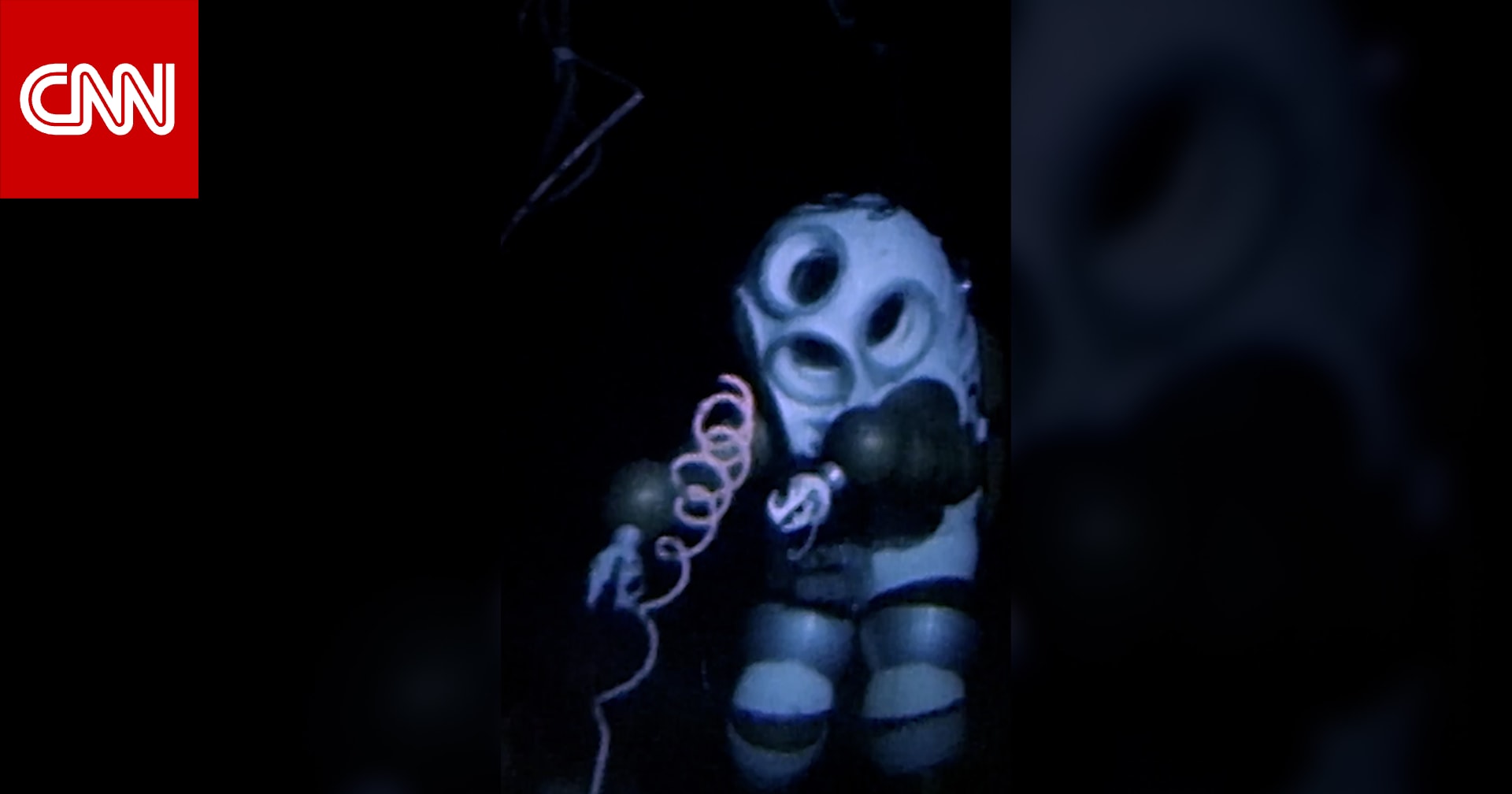
Coral reef restoration is no longer limited to divers planting coral by hand.
Original source: CNN Arabic




Comments (0)
Be the first to comment.