Iran: US attacks death toll 55 since June 27
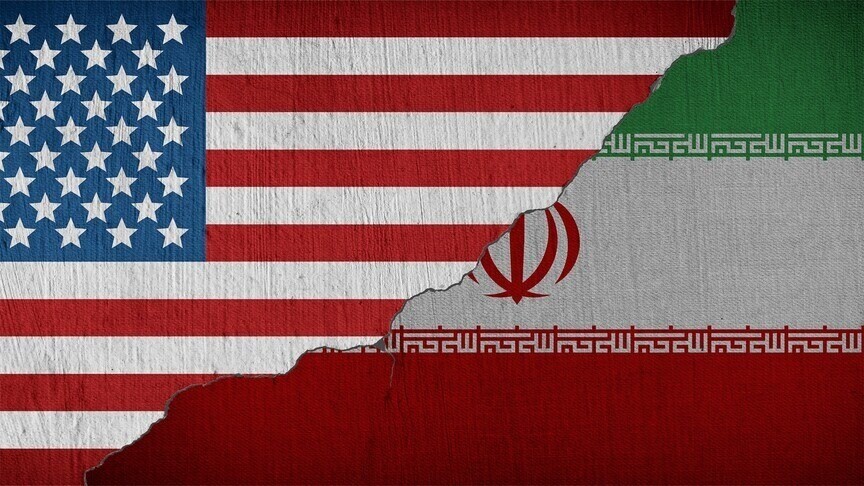
And 629 injured, according to Ministry of Health official Hossein Kermanpour.
Istanbul / Anadolu
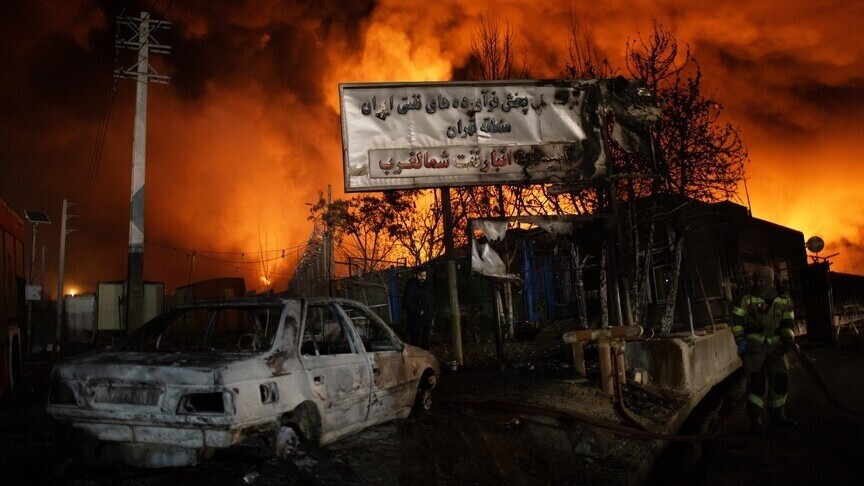
The Iranian Ministry of Health revealed on Thursday an updated toll of US attacks on its territory since June 27, confirming that the number of dead reached 55 and the number of injured 629.
These figures come as the Middle East witnesses a mutual military escalation between the US and Iran, with continued airstrikes and missile strikes.
Hossein Kermanpour, an official in the Ministry of Health, explained on platform X that the death toll from US airstrikes that began on June 27 reached 55, while the number of injured reached 629.
He indicated that 36 of the wounded are still receiving treatment in hospitals, while the rest have left after receiving care.
In a previous statement on Wednesday, Kermanpour had announced that the dead had reached 53 and the injured 592.
For about two weeks, the United States has been launching successive waves of strikes on sites inside Iran, while Tehran responds with attacks using missiles and drones on bases, military facilities, and sites it says are linked to Washington in regional countries.
The escalation comes despite Washington and Tehran signing a memorandum of understanding in June that included a cessation of hostilities and the start of negotiations to reach a broader agreement.
But US President Donald Trump announced on July 8 the end of the ceasefire, following attacks on tankers in the Strait of Hormuz that Washington accused Tehran of being behind, prompting the US to resume its strikes inside Iran amid escalating Iranian responses in the region.
Washington demands that Tehran stop attacking ships and ensure freedom of navigation through the Strait of Hormuz, while Iran insists on subjecting the passage of ships to a mechanism regulated by it through the waterway overlooking its coasts, exacerbating fears of disruption of oil and gas exports from the region.
This escalation comes despite a memorandum of understanding signed between the two countries in June to halt hostilities. However, US President Donald Trump announced on July 8 the termination of the agreement after accusations that Iran targeted oil tankers in the Strait of Hormuz. Tehran insists on imposing a control mechanism on the passage of ships through the strait, while Washington insists on ensuring freedom of navigation. This increases fears of disruption of global energy supplies through this vital waterway.
Original source: Anadolu Agency


Comments (0)
Be the first to comment.