International Criminal Court tells BBC it has made progress in investigating war crimes in Sudan
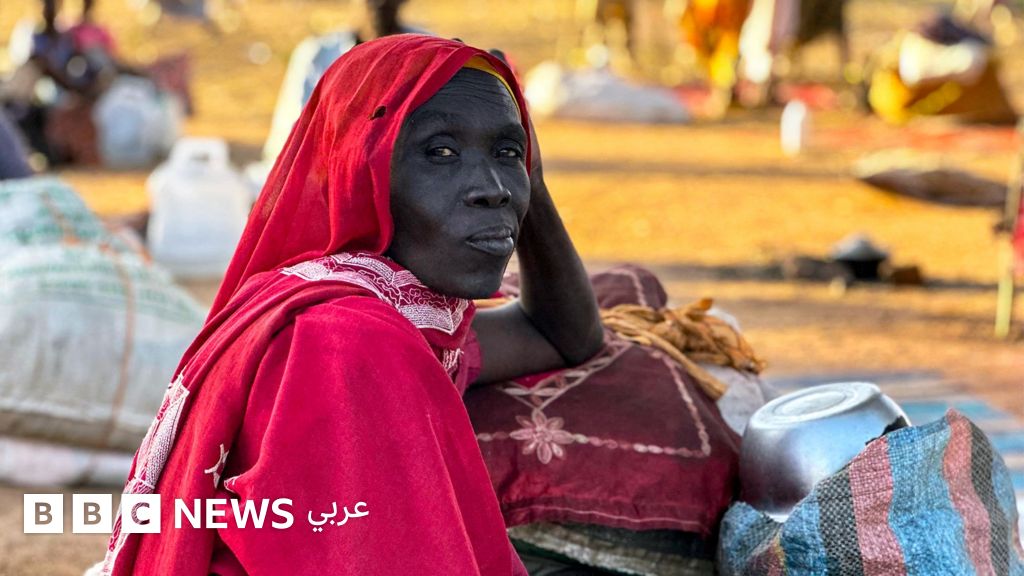
The International Criminal Court is investigating atrocities committed in Darfur over the past three years.
International Criminal Court tells BBC it has made progress in investigating war crimes in Sudan
Image caption, Tens of thousands of people fled El Fasher after the Rapid Support Forces took control of the city
Article Information
By Caleb Mougis and Thomas Mwihana
Published 5 hours ago
Reading time: 5 minutes
The Deputy Prosecutor of the International Criminal Court, Nazhat Shameem Khan, said the court has "concrete evidence" linking leaders of the Rapid Support Forces to war crimes recently committed in Sudan's Darfur region.
Khan added, in an interview with the BBC, that the court has made a "breakthrough" in its investigations into the massacres targeting civilians in the cities of El Fasher and El Geneina.
She said: "It may take some time to achieve justice and bring cases to court, but we will get there," adding that the investigations have also linked leaders of the Rapid Support Forces to crimes against humanity.
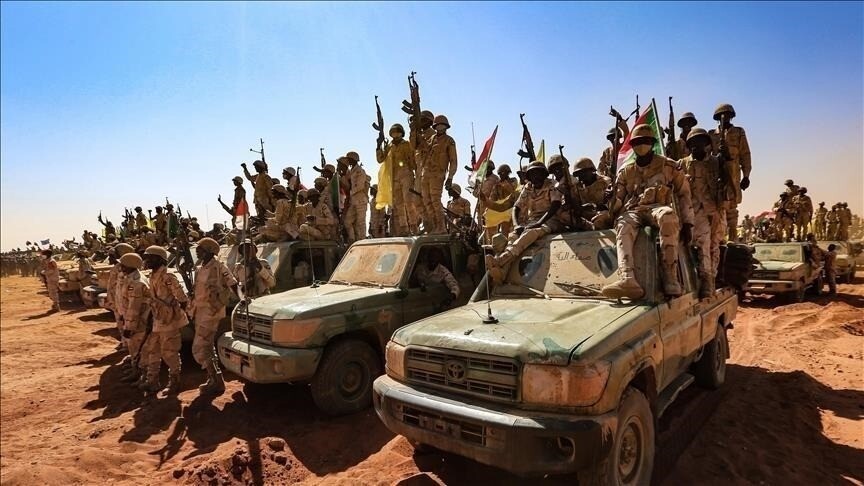
The siege and capture of El Fasher is one of the bloodiest chapters of the war between the Rapid Support Forces and the Sudanese army.
The United Nations says more than six thousand people were killed in El Fasher after the Rapid Support Forces took control of it in October last year, while the paramilitary force is accused of committing a similar massacre in El Geneina.
The Rapid Support Forces consistently deny responsibility for carrying out large-scale killings in any area of Darfur.
In a report issued by the UN Fact-Finding Mission on Wednesday, the mission said it had found evidence of widespread violations committed by both the Sudanese army and the Rapid Support Forces during the conflict.
The report indicated that fighters from the Rapid Support Forces are responsible for most of the systematic attacks against civilians, particularly in Darfur, where people were targeted on ethnic grounds, which may amount to war crimes and crimes against humanity.
Skip most-read and continue reading
World Cup: France ends Morocco's dream again by beating them 2-0 and reaches semi-finals
Iran targets US bases in the Gulf and Jordan in response to US strikes, and Israel threatens to resume military campaign
Is there a bias from FIFA towards the Argentine national team in the World Cup?
Syrian authorities announce dismantling of Islamic State cells and arrest of a prominent leader in the south
The report added that fighters from the Rapid Support Forces and allied groups also committed sexual violations including rape, gang rape, sexual slavery, and other forms of assault during their control of El Fasher last year.
Skip podcast and continue reading
Worth paying attention to
In-depth explanation of the most important events and topics, to help you understand the key changes around you and their impact on your life
Episodes
End of podcast
The Deputy Prosecutor of the International Criminal Court, speaking to the BBC, said: "We now have concrete evidence linking what is happening on the ground to specific individuals in leadership positions."
However, she did not set a timeline for bringing charges against those responsible for the atrocities committed in the war, which erupted in April 2023.
She added: "We cannot say how long it will take, whether it will be quick or long, but we can say progress has been significant and we have achieved a breakthrough."
The International Criminal Court is based in The Hague, Netherlands, and is an international court specialized in prosecuting those accused of genocide, crimes against humanity, and war crimes.
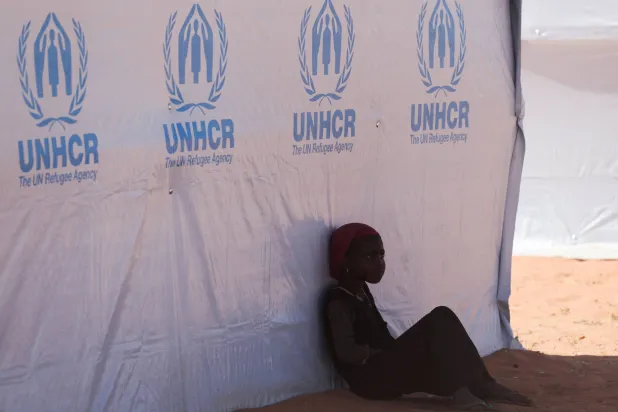
Khan's remarks came after a visit to refugee camps in eastern Chad, where she heard testimonies from people who fled the fighting in Darfur and told her about the violations they suffered.
Tens of thousands were forced to flee their homes in El Fasher, while the UN said the violence there bore "the hallmarks of genocide."
The Rapid Support Forces deny widespread accusations that the killings in the city were ethnically motivated and that they are part of a pattern targeting non-Arab populations by the paramilitary force, which is predominantly Arab.
The force affirmed that the scale of the atrocities had been exaggerated, but acknowledged some violations occurred in the city.
Shortly after taking control of El Fasher, the commander of the Rapid Support Forces, Mohamed Hamdan Dagalo (Hemedti), announced that his forces were investigating any suspected violations, later confirming that the investigation was still ongoing.
In a related context, the UK's Human Rights Ambassador, Eleanor Saunders, recently warned that the city of El Obeid could witness atrocities similar to those seen in El Fasher last year.
The UN Human Rights Council ordered, on Monday, an urgent investigation into alleged crimes committed during the fighting in El Obeid.
Battles in Sudan's Blue Nile region drive thousands towards the unknown
Sudan: On the brink of one of the world's largest humanitarian disasters?
The International Criminal Court has been investigating allegations of war crimes in the Darfur region for more than 20 years, since the wave of violence that hit the region in the early 2000s.
The Deputy Prosecutor said: "What we are seeing today are patterns of violations very similar to those we documented 20 years ago, when the Security Council first referred this situation to us."
She added that the court's investigations are based on testimonies from witnesses and survivors, along with supporting evidence including videos, photos, and forensic evidence.
Previous investigations have resulted in the arrest of seven people and the filing of six separate cases before the court on charges related to war crimes and crimes against humanity.
Among the accused is former Sudanese President Omar al-Bashir, who remains outside the court's custody after being ousted in a 2019 coup, and is believed to be held in a secure medical facility inside Sudan.
Arrest warrants have also been issued for four other defendants, but they have not yet been apprehended.
Last year, the court sentenced former Janjaweed militia leader Ali Muhammad Ali Abd al-Rahman to 20 years in prison after convicting him of 27 counts of war crimes and crimes against humanity committed in Darfur between 2003 and 2004.
Abd al-Rahman was a senior leader of the Janjaweed militia, a government-backed armed group that targeted non-Arab civilians in Darfur.
The Janjaweed is one of the groups that later evolved into the Rapid Support Forces, a paramilitary force that was allied with the Sudanese army before going to war with it.
Skip short clips and continue reading
Short clips
End of short clips
What is happening with Sudanese and Syrian refugees in Egypt? July 7, 2026
"The death we fled from is still chasing us" June 23, 2026
UN report accuses warring parties in Sudan of using arrest and torture to intimidate civilians June 17, 2026
Original source: BBC Arabic



Comments (0)
Be the first to comment.