Iran risks overestimating its power, political analyst tells CNN
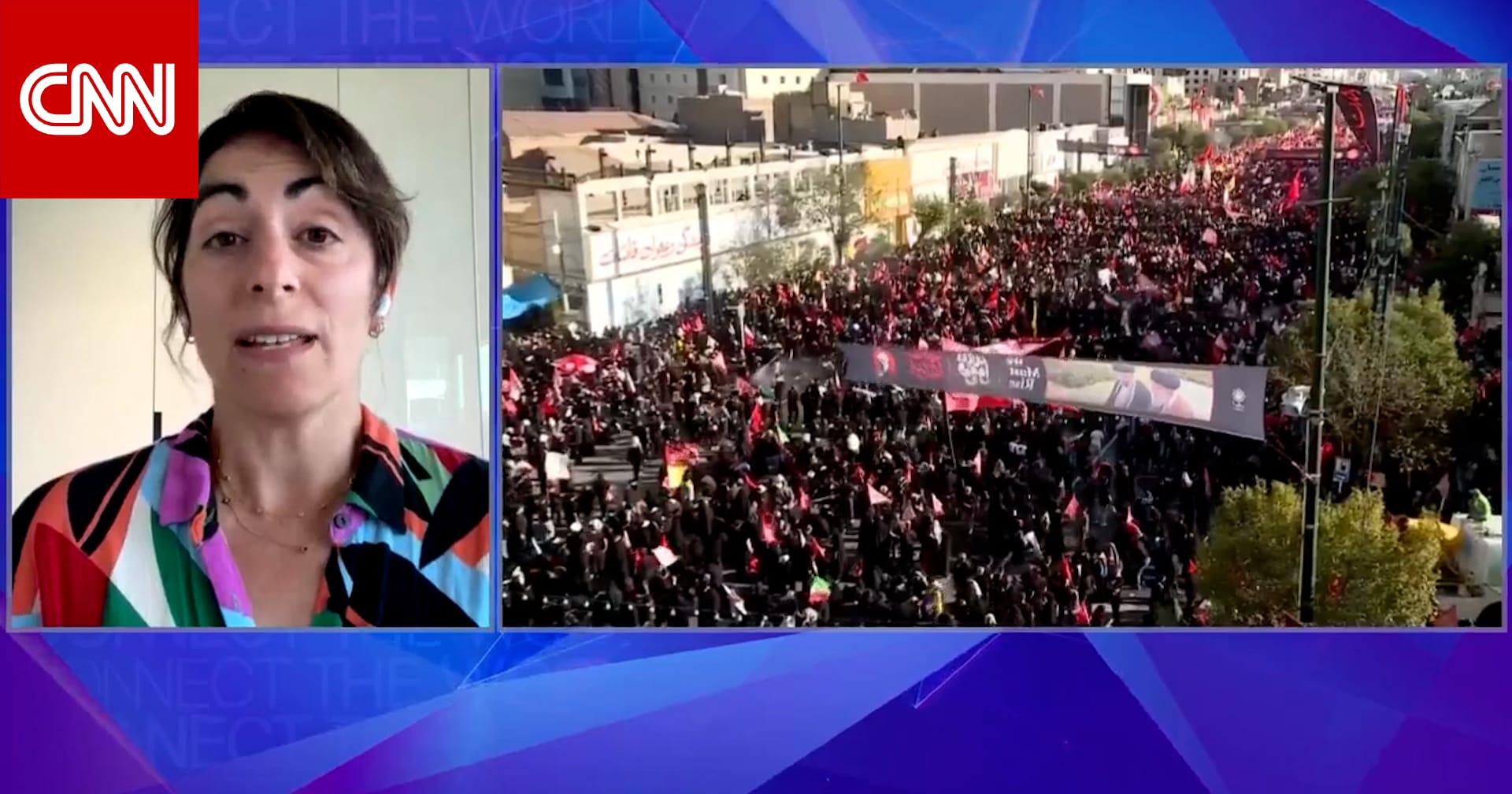
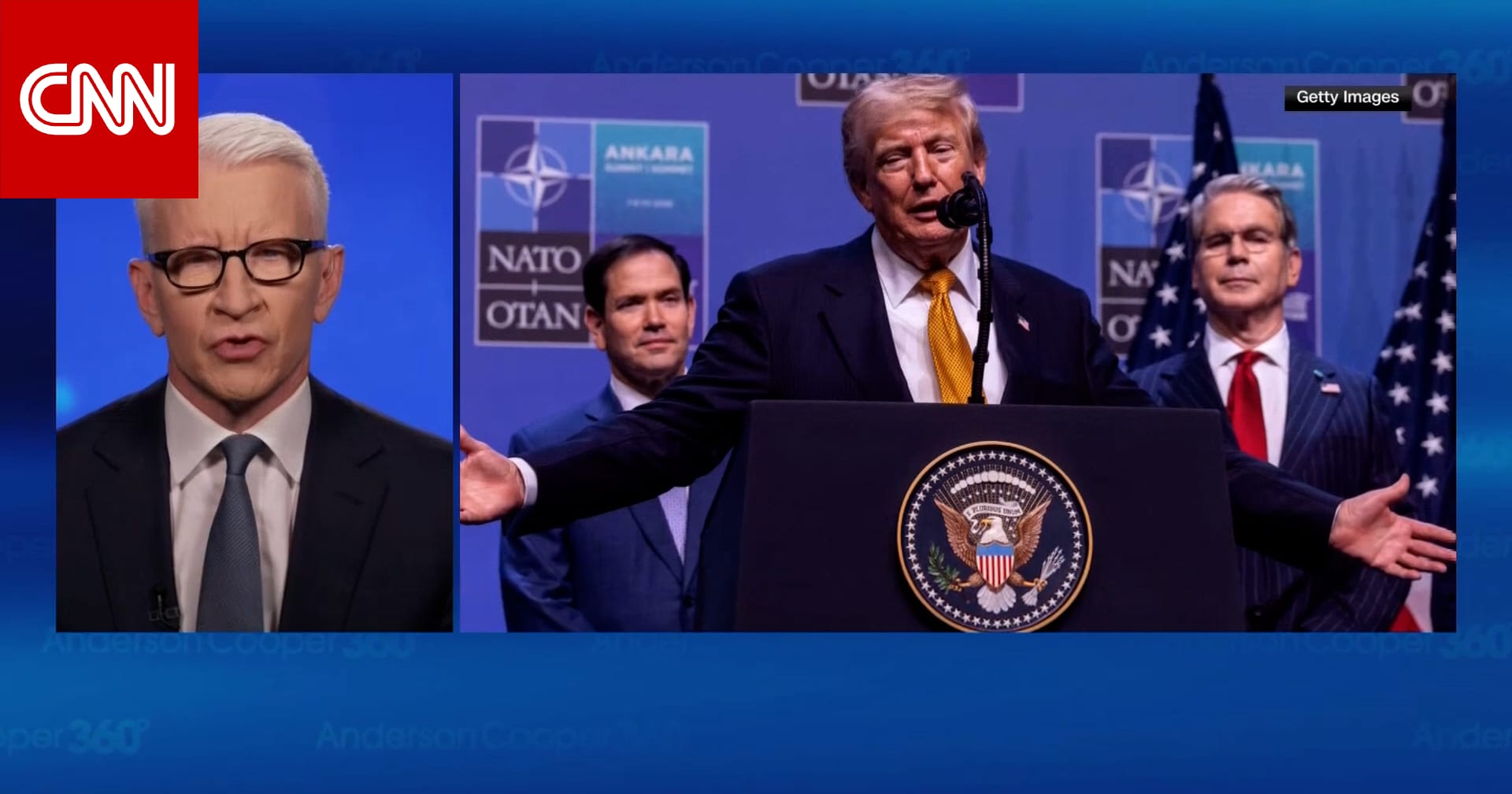
(CNN)-- As US President Donald Trump seeks a way out of the conflict with Iran, Dina Esfandiary, head of Middle East at Bloomberg Economics, tells CNN's Becky Anderson that neither side is willing to be flexible enough to break the vicious cycle.
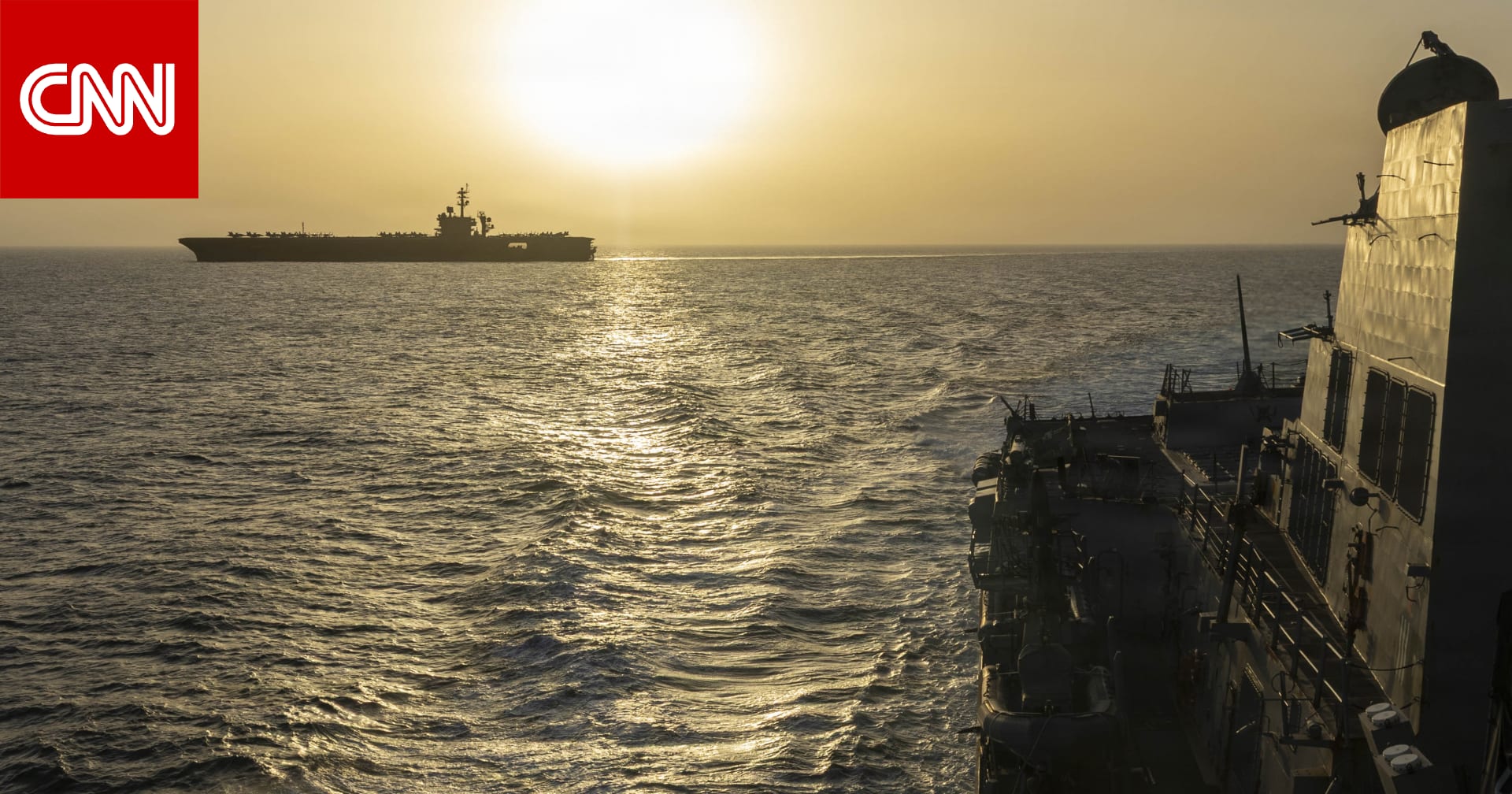
Esfandiary pointed to her belief that 'Iran risks overreacting. Tehran is confident, even emboldened, and vulnerable at the same time, but nevertheless it has achieved major strategic gains, especially in the Strait of Hormuz, and I think it is over-escalating the situation.'
She added: 'Iran knows the United States wants to withdraw from this conflict. It also knows President Trump is known for being hasty; he might wake up one day and change his mind. And they are overplaying their hand enough to push the president to suddenly back down and say, "Okay, we will resume that war."'
The head of Middle East at Bloomberg Economics stressed the importance of 'remembering that both sides want to withdraw from this war. I think neither side wants to return to that kind of high-intensity war we saw starting at the end of February. Neither side is truly ready for that. Neither side wants that.'
She continued: 'But neither side is ready to make the necessary concessions to resume negotiations and reach a kind of agreement that would be satisfactory, or let's say unsatisfactory to both sides to the extent that they would inevitably stick to it. And that is the problem. That is why we are stuck in this situation, in this terrible vortex of no peace and war, continued low-intensity airstrikes, skirmishes, and general instability at present,' as she put it.
Original source: CNN Arabic
Comments (0)
Be the first to comment.