Iraq and Iran agree on strategic cooperation document and resolving crises through dialogue
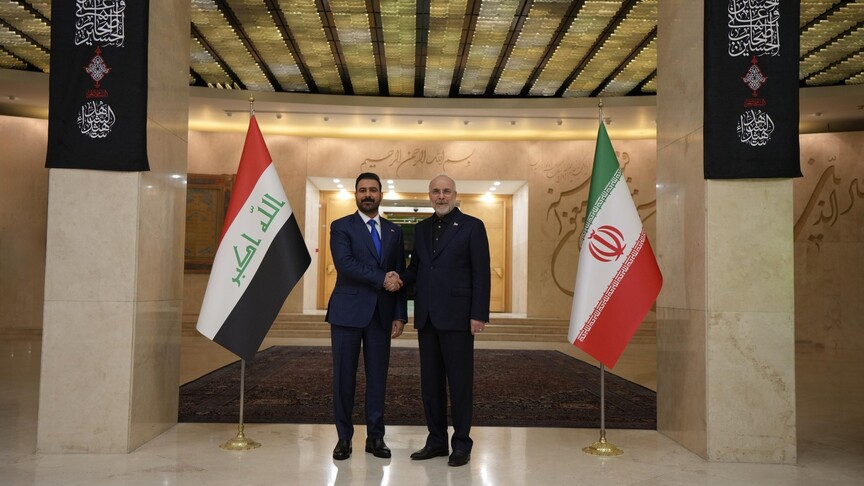
The two countries affirmed rejection of foreign interference and support for political solutions.
International
Iraq and Iran agree on strategic cooperation document and resolving crises through dialogue
Iraq and Iran affirmed their rejection of foreign interference in the internal affairs of states, and stressed that political solutions are the only way to resolve regional crises.
These agreements come within the framework of Baghdad and Tehran's efforts to enhance bilateral cooperation in various fields, amid increasing regional challenges.
Hüsameddin Salih
23 July 2026 • Updated: 23 July 2026
photo: Iraqi Prime Minister's page (X) / AA
İSTANBUL
Istanbul / Anadolu
The Iraqi and Iranian sides agreed on Thursday to draft a comprehensive strategic document aimed at enhancing bilateral cooperation, and affirmed that regional crises can only be resolved through dialogue and mutual respect for sovereignty.
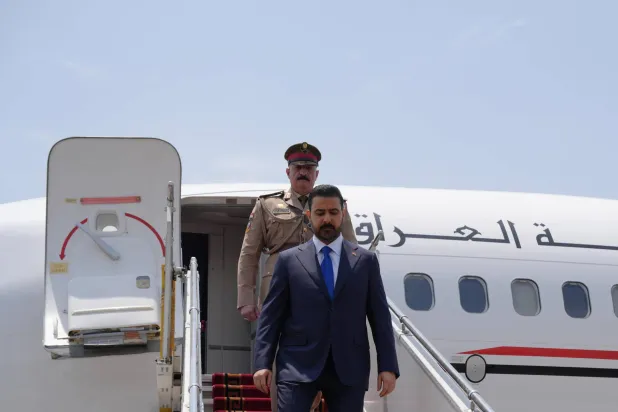
This came in a joint statement issued during an official visit by Iraqi Prime Minister Ali Faleh al-Zaidi to Iran on Thursday, heading a delegation that included political, security and economic officials.
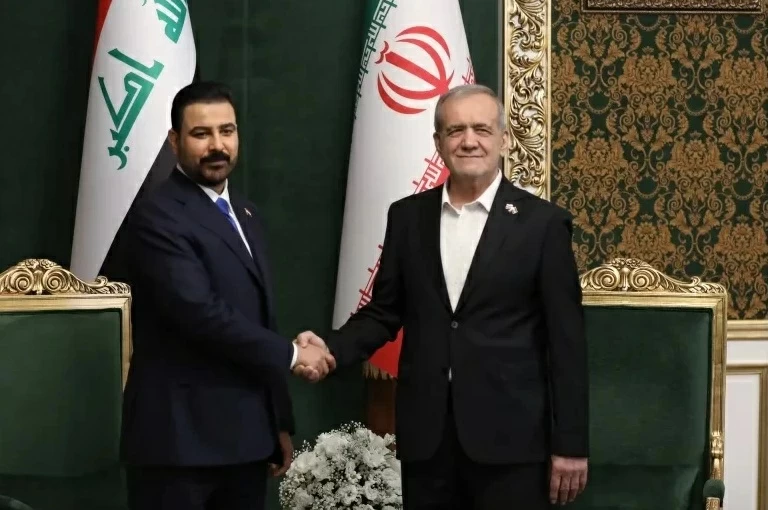
The media office of the Iraqi Prime Minister stated that al-Zaidi and the accompanying delegation held talks with Iranian President Masoud Pezeshkian and senior officials, focusing on bilateral relations, regional developments, and international issues of common interest.
The two sides also agreed to develop a comprehensive and strategic document that would expand cooperation between the two countries and make it institutional.
The document covers areas of political, economic, cultural, and security cooperation, in addition to other areas of common interest.
The two sides decided that the foreign ministers of the two countries would complete the final version of the draft document as soon as possible, and submit it to senior officials for signature and implementation.
They also agreed to hold a meeting of the Joint Supreme Committee between Iraq and Iran once a year at the level of the two countries' leaderships, rotating between their capitals, to follow up on the implementation of agreements and deepen strategic cooperation.
Iraq and Iran affirmed that resolving regional crises 'can only be achieved through dialogue, diplomacy, and constructive participation of regional countries.'
They stressed the need to respect the sovereignty of states and reject foreign military or political interference, expressing their support for political and peaceful solutions based on the rules of international law to end regional crises.
They also considered the continuation of bilateral and multilateral consultations necessary to maintain security, stability, and development in the region.
The two sides agreed to enhance security cooperation and combat terrorism, extremism, organized crime, smuggling, and cross-border threats.
They reaffirmed their commitment to continue strategic dialogue, fully implement joint agreements, and expand cooperation in various fields.
In the economic field, the two sides called for accelerating the completion of the Basra-Shalamcheh railway project, increasing trade exchange, and expanding joint investments.
They also agreed to enhance cooperation in the fields of energy, transport, transit, industry, agriculture, and technical and engineering services, and to work on removing legal and administrative obstacles to joint projects.
During al-Zaidi's visit, Iraq and Iran earlier on Thursday signed four agreements and memoranda of understanding in the fields of transport, railways, local administration, and human resources training.
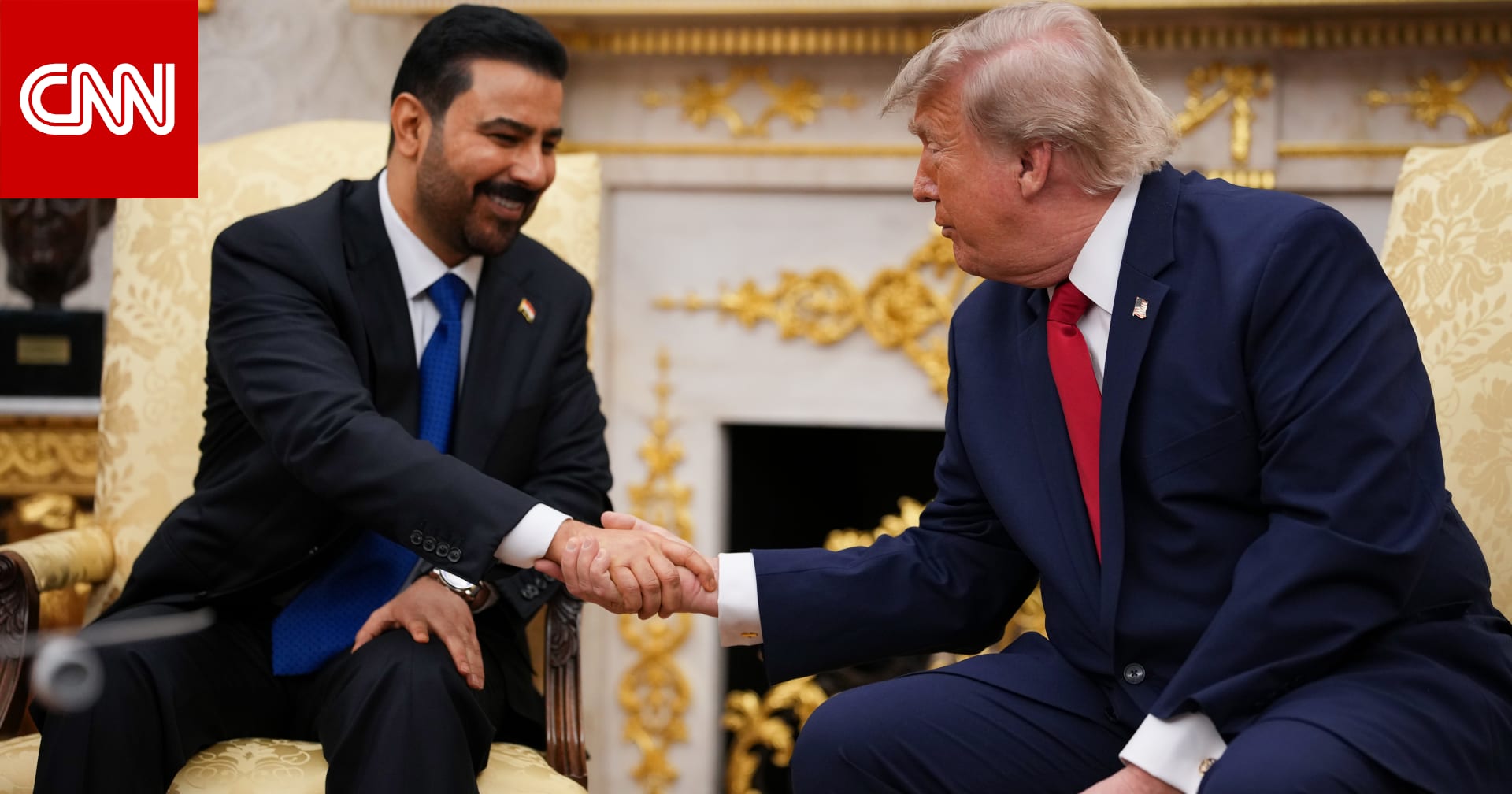
Al-Zaidi assumed the premiership last May, and in his first foreign trip he visited Washington between July 13 and 18, where he met U.S. President Donald Trump, and a strategic partnership was announced between the two countries.
Washington says that Iraqi armed factions support Iran, while the Iraqi government seeks to monopolize weapons in the hands of the state and dismantle armed groups.
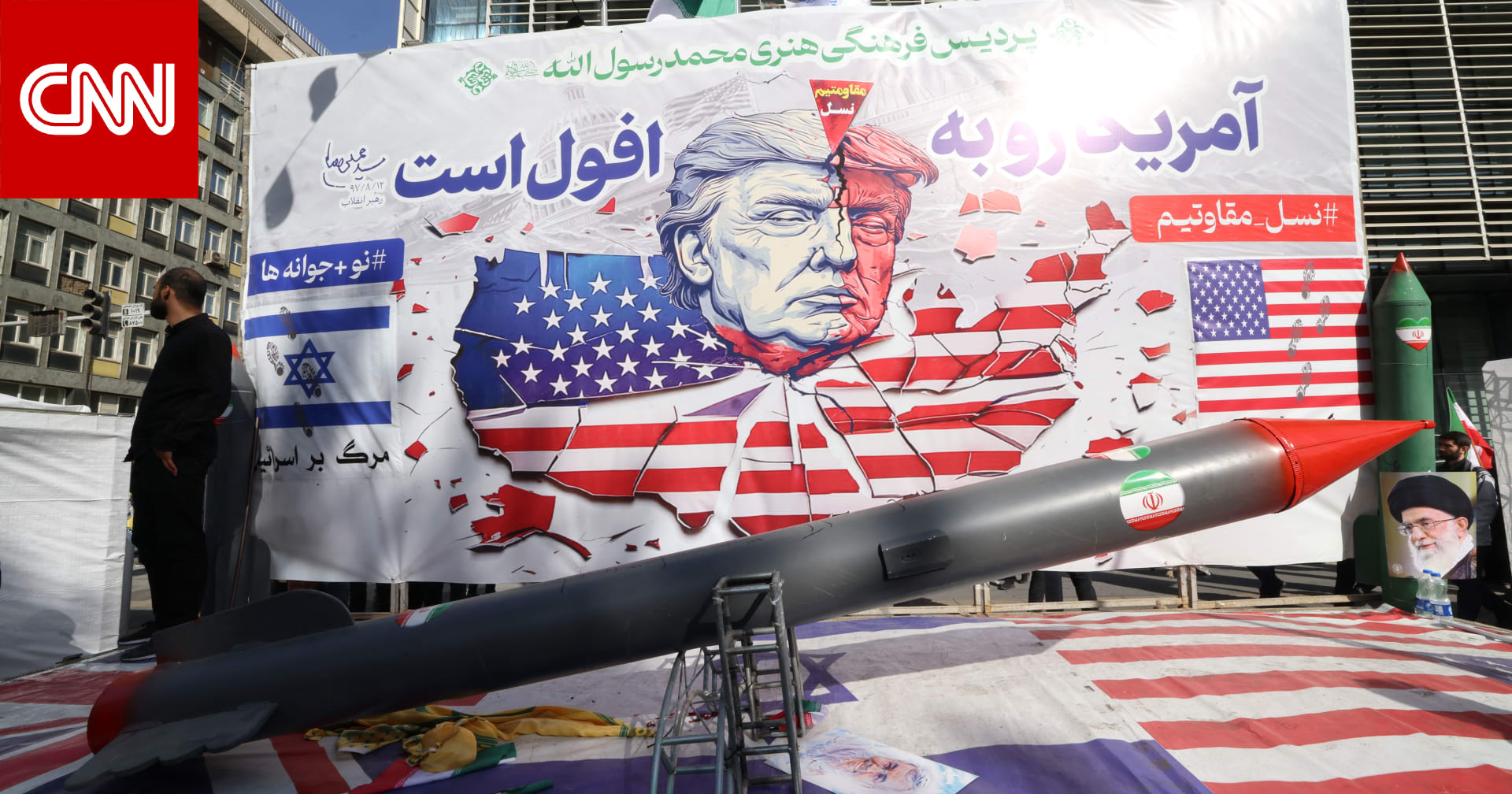
Al-Zaidi's visit to Iran comes at a time when a new military confrontation is ongoing between Washington and Tehran, following a war launched by the United States and Israel against Iran on February 28 last.
This document is an important step towards organizing relations between the two countries on an institutional basis. The agreement comes at a time of escalating tensions in the region, as Iraq seeks to play a mediating role between Iran and Arab and Western countries. The Joint Supreme Committee is expected to contribute to following up on the implementation of agreements and enhancing strategic cooperation. The agreement focuses on rejecting foreign interference, reflecting the desire of both parties to maintain the independence of their decisions.
Original source: Anadolu Agency

Comments (0)
Be the first to comment.