Iraq, US sign 48 agreements during PM’s visit

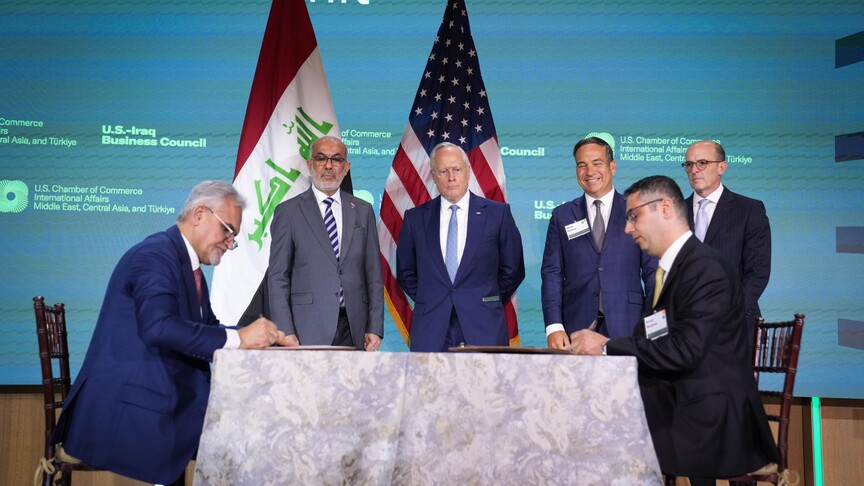
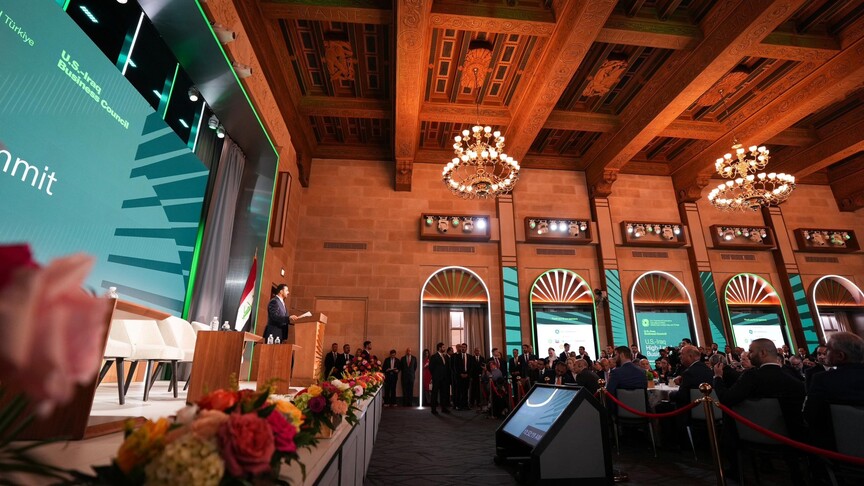
Iraq inked 48 deals and partnerships with US firms, primarily in the oil sector, during Prime Minister Ali Al-Zaidi's trip to Washington, his office announced on Saturday.
The agreements are part of Iraq's broader effort to attract foreign investment and modernize its economy.
Despite being an oil-rich nation, Iraq continues to grapple with the aftermath of decades of conflict, facing poor infrastructure, ineffective public services, mismanagement, and widespread corruption.
The country urgently requires an economic stimulus, particularly after revenue losses from a suspension of oil exports triggered by the Middle East conflict.
“A total of 48 agreements, memoranda of understanding, cooperation agreements, and partnership declarations were signed between public and private sector entities in Iraq and the United States,” the Iraqi leader’s media office said.
They include “cooperation and partnerships involving the ministries of oil and electricity... with ExxonMobil, KBR, GE Vernova, Shell, and Halliburton,” as well as several deals related to the construction of a major crude oil pipeline between Iraq and Syria.
Iraq also signed a deal with Starlink, which dominates the global satellite communications sector, to introduce services to the country.
On Tuesday, US President Donald Trump praised Zaidi as a “champion” in a meeting at the White House.
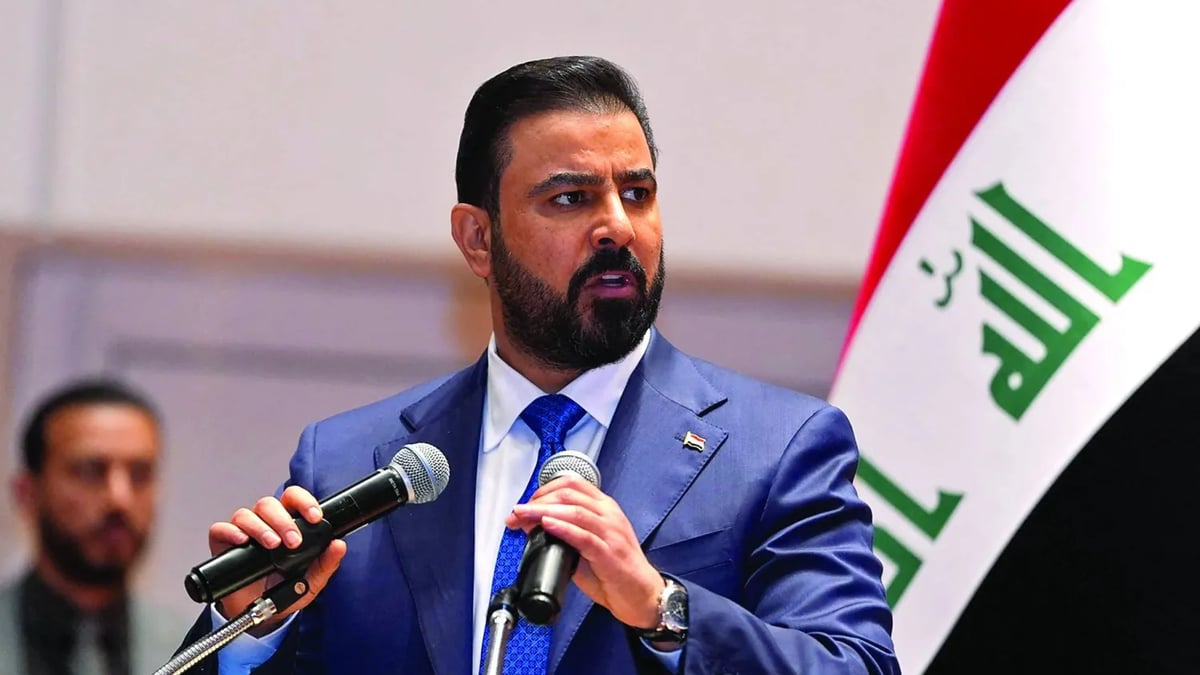
Zaidi, a businessman, came to power this year with US blessing after Trump vetoed another candidate.
He has vowed to boost Iraq’s fragile economy and disarm pro-Iran armed groups in Iraq that have targeted US facilities.
Iraq has long walked a tightrope between the competing influences of allies the United States and neighboring Iran.
Iraq has long navigated a delicate path between the competing influences of the United States and neighboring Iran. Prime Minister Zaidi, a businessman who assumed office with US backing, has vowed to revitalize the economy and rein in pro-Iran armed groups. The success of these agreements could help tip the balance towards greater stability and Western investment.
Original source: Arab News

Comments (0)
Be the first to comment.