Kuwait summons Iran's ambassador in protest over targeting of its tanker in Strait of Hormuz
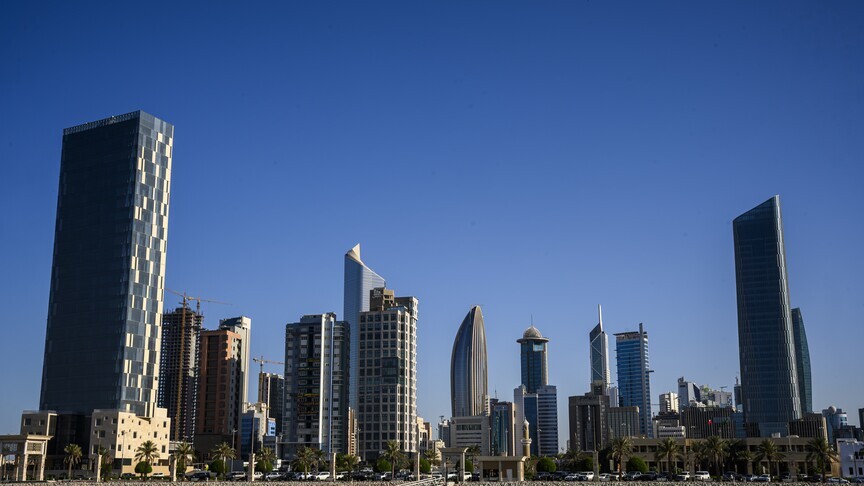
It said that the targeting of its tanker 'Kifan' comes 'amid the escalation of the sinful aggression that Iran has been waging against Kuwait since February 28.'
ISTANBUL / Anadolu
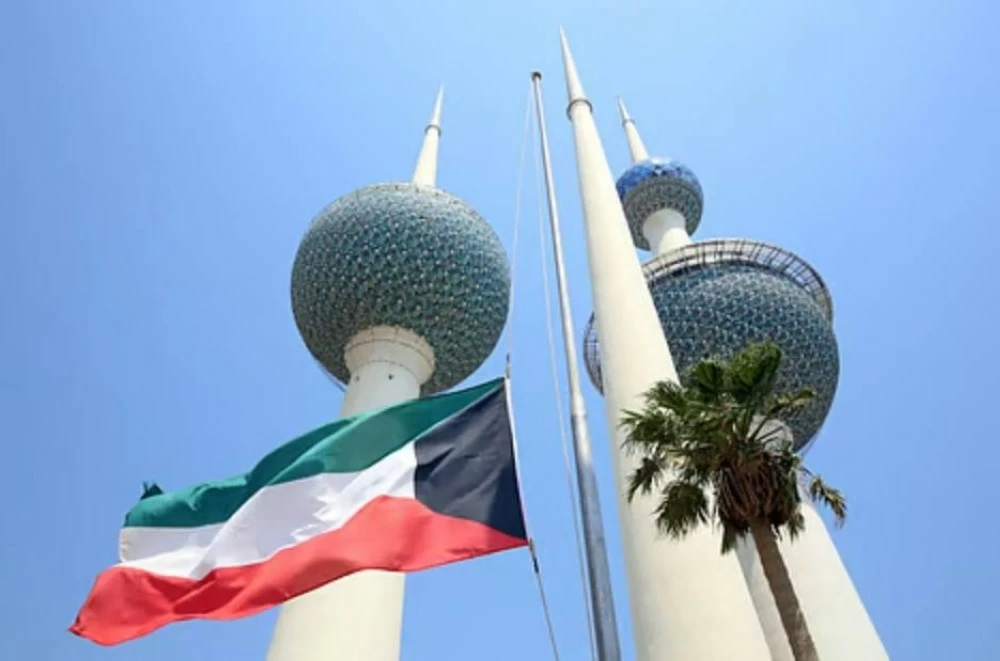
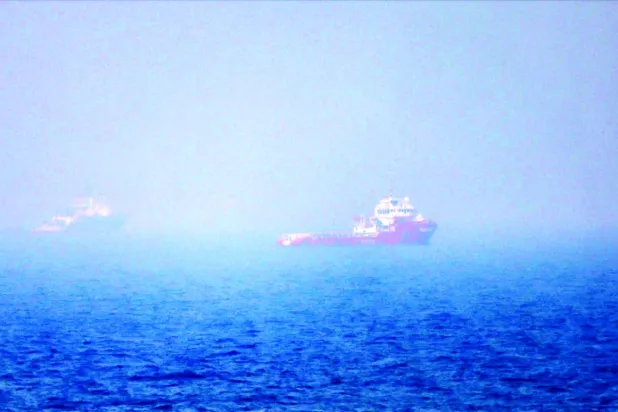
Kuwait's Foreign Ministry on Tuesday summoned Iran's ambassador to the country, Mohammad Totonji, and handed him a protest note over the targeting of the Kuwaiti tanker 'Kifan' while it was transiting the Strait of Hormuz on Monday evening.
The ministry said in a statement that Deputy Foreign Minister Hamad Suleiman Al-Mashaan handed Totonji a protest note against 'Iran's targeting of the Kuwaiti tanker Kifan yesterday, Monday, which resulted in injuries to a number of its crew members.'
It quoted Al-Mashaan as saying that the incident is 'a flagrant assault that comes amid the escalation of the sinful aggression that Iran has been waging against Kuwait since February 28, 2026.'
He mentioned that those attacks included statements described as 'inflammatory and provocative' issued by the Iranian side.
According to the statement, the deputy minister considered the targeting of the tanker 'an infringement on Kuwait's sovereignty, territorial integrity, and interests, and a threat to international navigation security and freedom.'
He said the incident also represents 'a violation of international law, the United Nations Charter, and Security Council Resolution 2817 of 2026.'
Al-Mashaan reiterated Kuwait's demand for Iran to immediately cease what he described as 'its illegal attacks.'
He affirmed his country's right to take necessary measures, holding Tehran fully responsible for the targeting of the tanker and what he called 'the ongoing aggression' against Kuwait.
There was no immediate comment from Iranian authorities on the Kuwaiti statement.
Earlier on Tuesday, Kuwait announced that several power and water desalination plants had been subjected to Iranian attacks with missiles and drones for the fourth consecutive day, causing fires at some facilities.
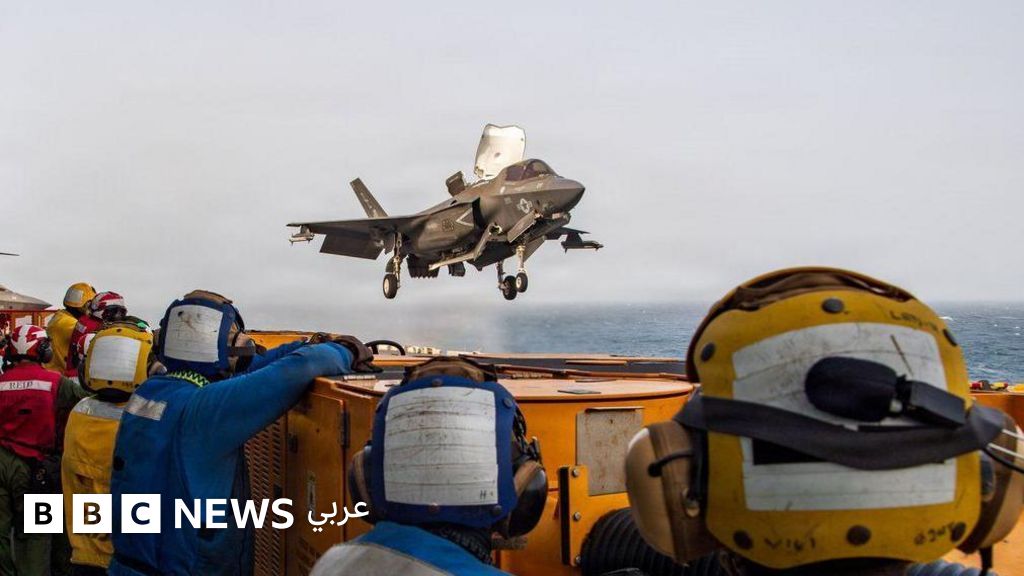
For days, the United States has been launching successive waves of strikes on sites inside Iran, while Tehran has been attacking what it says are American ships, facilities, and military bases in several countries in the region, including Kuwait.
This comes despite Washington and Tehran signing a memorandum of understanding on June 18 that included a ceasefire and the launch of negotiations to reach a broader agreement.
However, US President Donald Trump announced on July 8 the end of the ceasefire after Iran targeted three ships in the Strait of Hormuz, prompting Washington to resume its strikes inside Iran, amid escalating responses from Tehran in the region.
Washington demands ensuring freedom of navigation and its security in the Strait of Hormuz, while Tehran insists on imposing a mechanism to regulate the passage of ships through the strategic waterway, exacerbating fears of disruption to oil and gas exports from the region.
Original source: Anadolu Agency



Comments (0)
Be the first to comment.